What this is about
It is easy to trust your own senses at the front door. If the breeze feels cool or the sky looks overcast, the sun feels gentle. That is how babies get sunburned in April. The UV index measures ultraviolet radiation, which has nothing to do with heat. A crisp spring morning at 14°C can carry high UV, while a sweltering park at 19:00 can have almost none.
What changes as the number rises
- UV 0–2 (Low): Outdoor time is relaxed. Keep babies under 6 months out of direct sunlight, using the canopy or a parasol.
- UV 3–5 (Moderate): The switch flips here. Use stroller shade, put on a brimmed hat, and keep arms and legs covered with light fabric.
- UV 6–7 (High): Fair skin burns quickly. Stay on the shady side of the path, keep canopies extended, and avoid sitting in open sun.
- UV 8–10 (Very high): Protection is not optional. Seek dense shade and keep stroller outings brief during these hours.
- UV 11 and higher (Extreme): Peak midsummer strength. Move outings to the early morning or evening, and stay indoors while this number lasts.
The peak tells you how strong. The hours tell you when
Most weather apps splash one dramatic number across the screen: UV 8. That sounds intimidating, but that peak usually lasts only an hour or two around midday. It does not mean you have to hide inside all day.
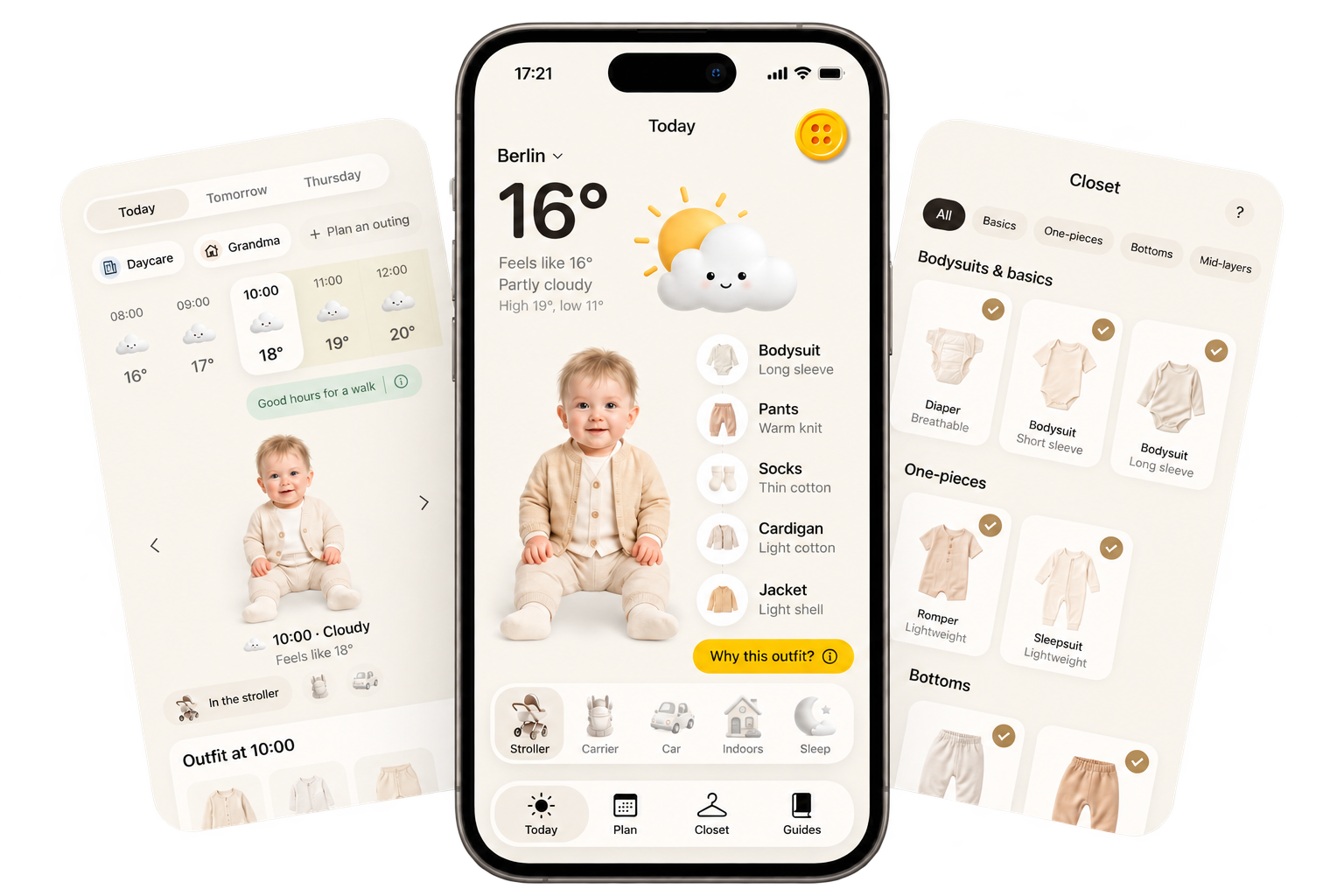
What actually shapes your day is the hourly window. Open your forecast and find the first hour that reaches UV 3, then find the hour when it drops back down. That is your sun window. If UV hits 3 at 10:30 and drops to 2 at 16:30, those six hours are when shade and clothes matter.
An old rule like 'stay inside between 11:00 and 15:00' is too crude. In high summer, the 3-and-up window can stretch from 09:30 until late afternoon. In autumn, it might only last two hours. Check the hourly graph before you step out, especially if a morning walk might run long.
It is not a heat forecast
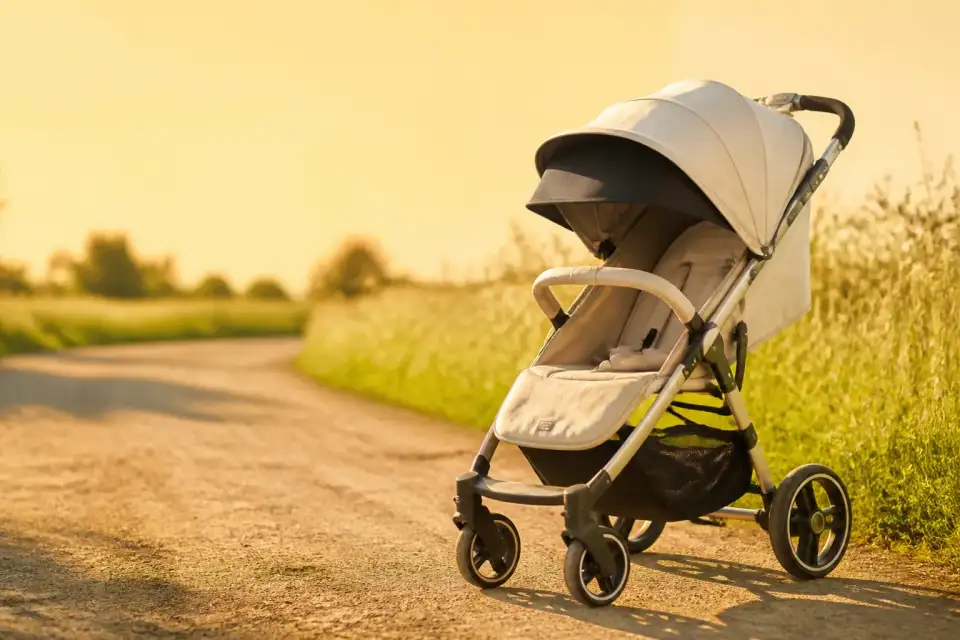
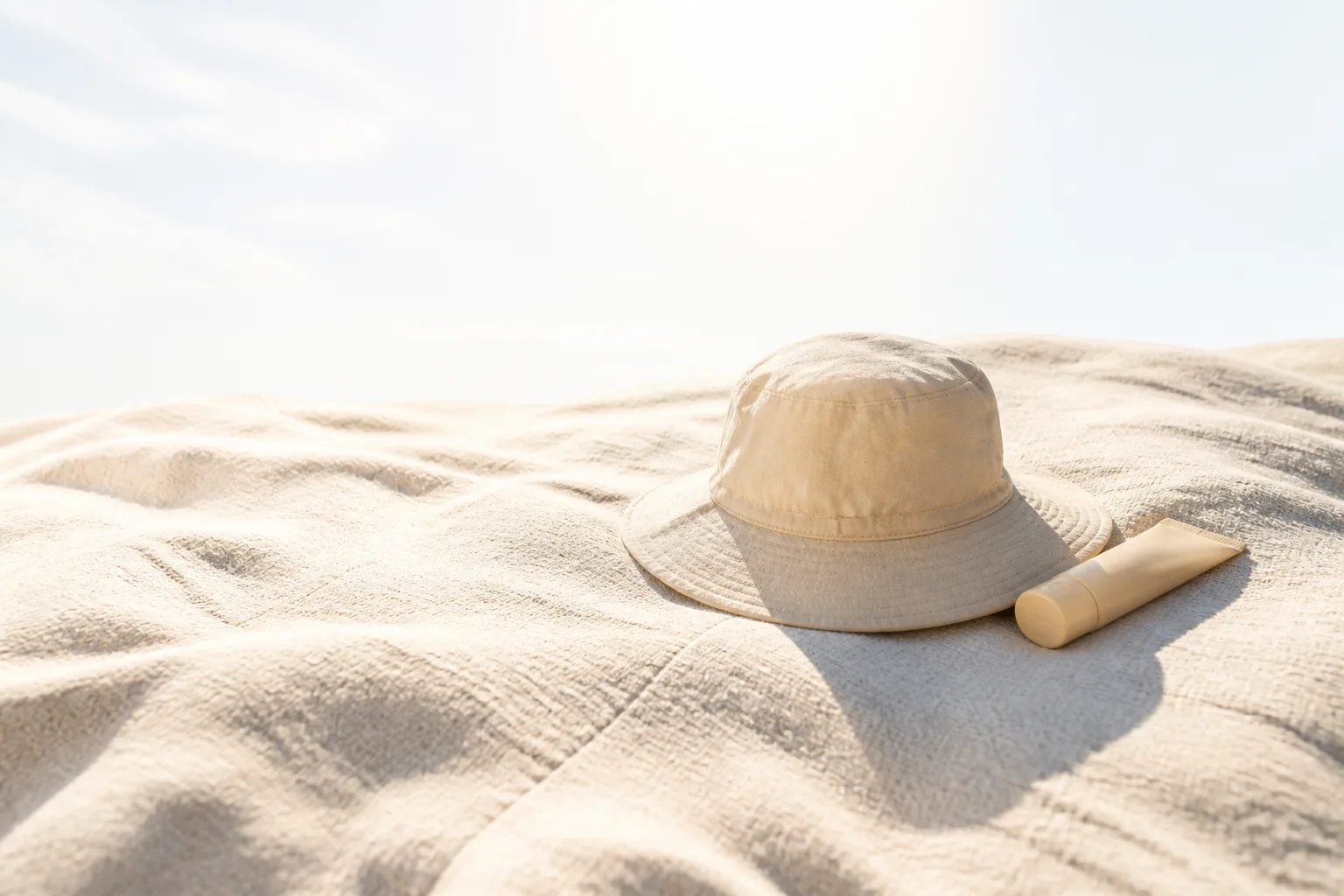
Temperature decides warmth. UV decides coverage. That is why a knit cardigan and a wide-brim sun hat can belong on the same baby on a crisp spring morning. The cardigan keeps out the chill, while the hat protects the face from invisible radiation.
The reverse happens every summer evening. At 18:30, the air might still be 28°C and the asphalt hot under your shoes, but the UV index has dropped to 1. Your baby can stay in a single light romper, and you can take off the sun hat while the stroller stays shaded.
A short shadow is a quick field check
 Yes
YesLong shadow
When the shadow is taller than you, the sun is low in the sky. UV is usually low, but check the hourly forecast if the day is warm.
 No
NoShort shadow
When the shadow is shorter than you, the sun is high overhead. UV is typically 3 or higher. Move into shade and keep skin covered.
The shadow rule is a reliable field check when your phone is out of reach. If your shadow is shorter than your body, the sun is high and UV is strong enough to burn. It is a quick cue to pull out the stroller shade, not an excuse to ignore the forecast.
Cloud and reflection can fool the eye
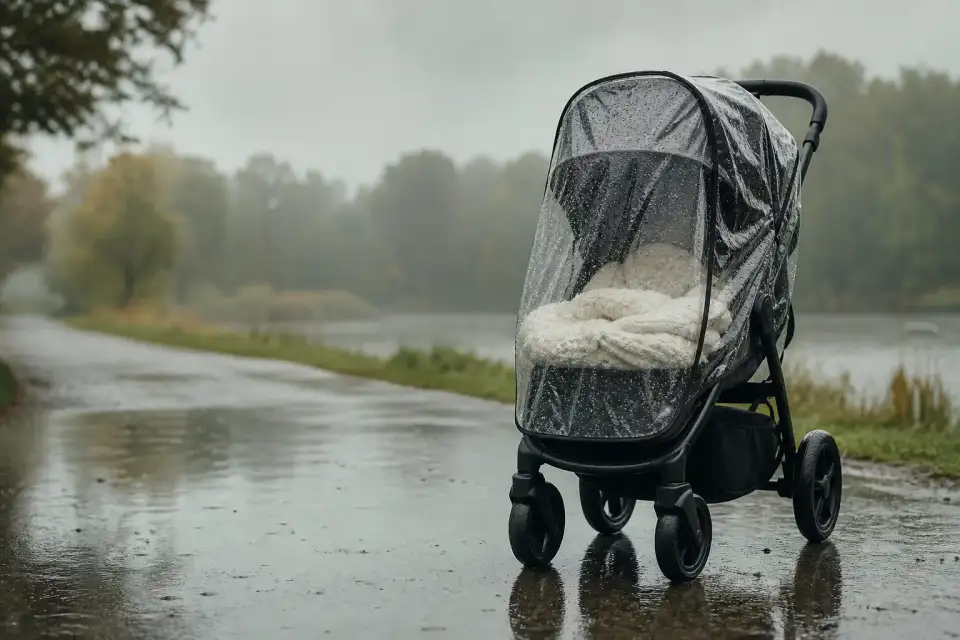
Gray skies are deceptive. Clouds block visible light and take the glare out of the day, but ultraviolet radiation cuts straight through thin haze. You can easily get caught off guard on a mild, overcast afternoon if you assume clouds equal safety.
Ground reflection is the other hidden factor. Tree branches and stroller canopies block direct light from above, but light bounces off concrete, sand, water and fresh snow. That reflected UV reaches the baby from below. This is why loose long sleeves and light trousers matter even when sitting under a leafy park tree.
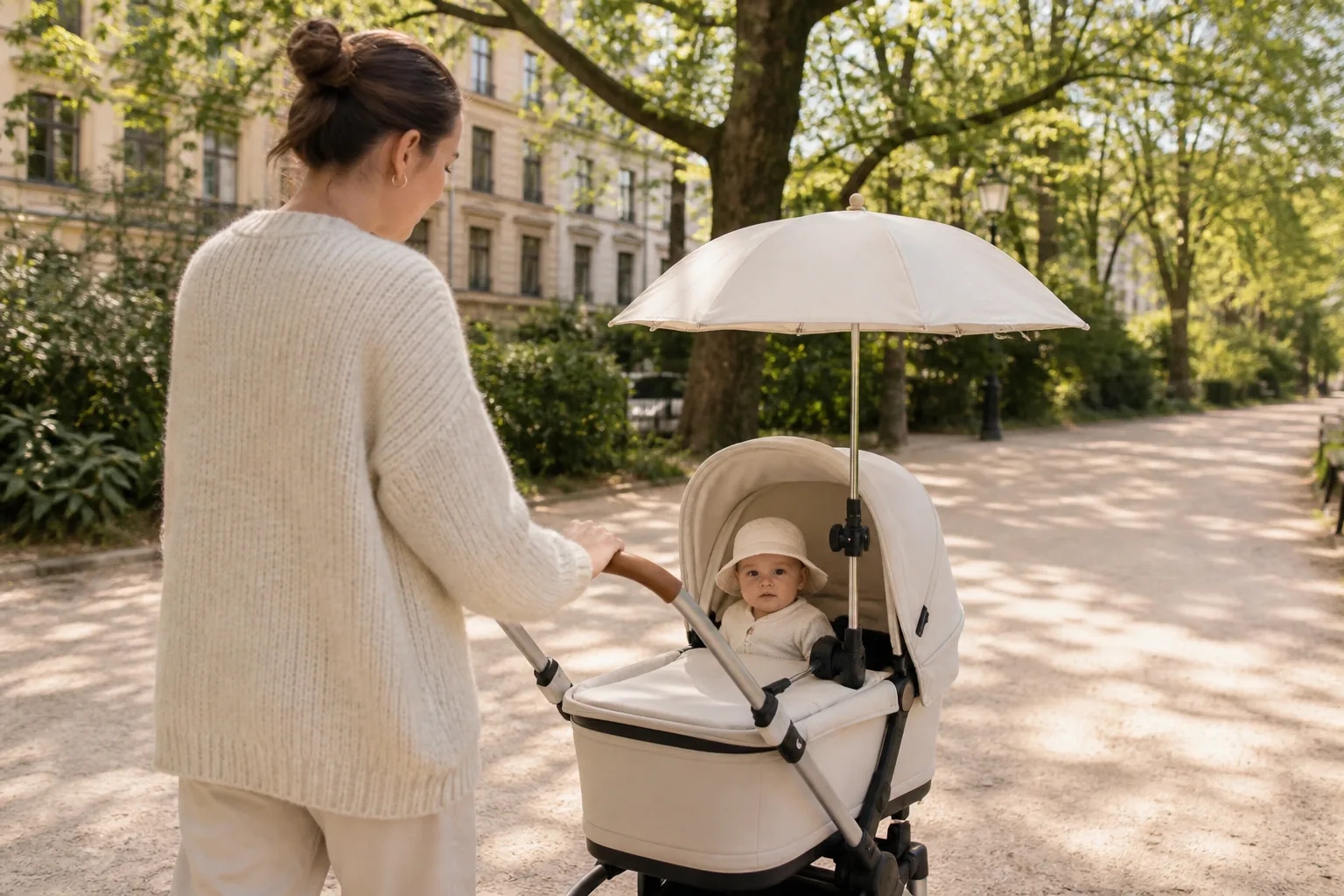
If you adjust a stroller canopy or clip-on parasol to track shifting sun, always keep the front of the stroller open and clear. Never drape a blanket, towel or muslin cloth over the opening to block the light. Covered strollers heat up dangerously fast in minutes.
Sunscreen advice changes at 6 months
Sunscreen can irritate young babies' skin. Babies also overheat more easily because their cooling system is still developing. Under 6 months, keep your baby out of direct sun. Use stroller shade and light, breathable clothes that cover the arms and legs.
From 6 months, sunscreen enters the picture as backup, not a replacement for shade. Use a broad-spectrum, mineral-based formula on the small patches clothing leaves bare: the backs of the hands, cheeks, ears and tops of feet. Shade and fabric still do the heavy lifting.
Use the reading on a real outing
Before leaving
Check the hourly UV window. If any outdoor hour reaches 3, bring the brimmed hat and verify the stroller shade is ready.
While moving
Watch for ground reflection and angle changes as paths turn. Keep the canopy angled against the sun while leaving the stroller open for airflow.
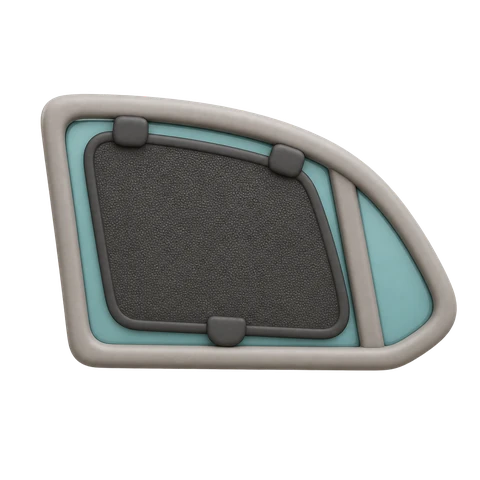
In the car
Vehicle side glass lets ultraviolet rays through. Attach a fitted window shade to the rear side window, and take off the brimmed hat so your baby's head rests comfortably in the car seat.
Questions parents ask
Does UV 2 mean we can skip shade completely?
Babies under 6 months should always avoid direct sunlight, even at low UV. Beyond sun safety, shade simply keeps the stroller cooler and prevents glare from bothering your baby's eyes.
Can a baby get sunburned through a car window?
Yes. Standard car windshields filter both UVA and UVB rays, but side windows typically block only UVB. UVA rays pass straight through side glass and can harm baby skin on longer drives. A mesh window shade solves this.
If the skin becomes sunburned
Move your baby out of the sun and apply cool, damp compresses to soothe the skin. Call your pediatrician for guidance. Seek urgent medical care if you see blistering, fever, chills or if your baby seems lethargic.