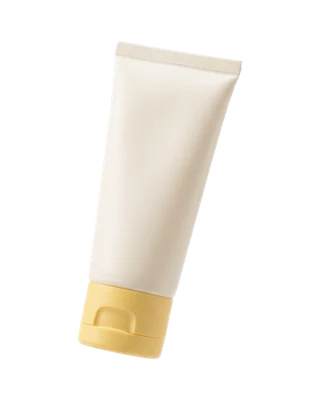
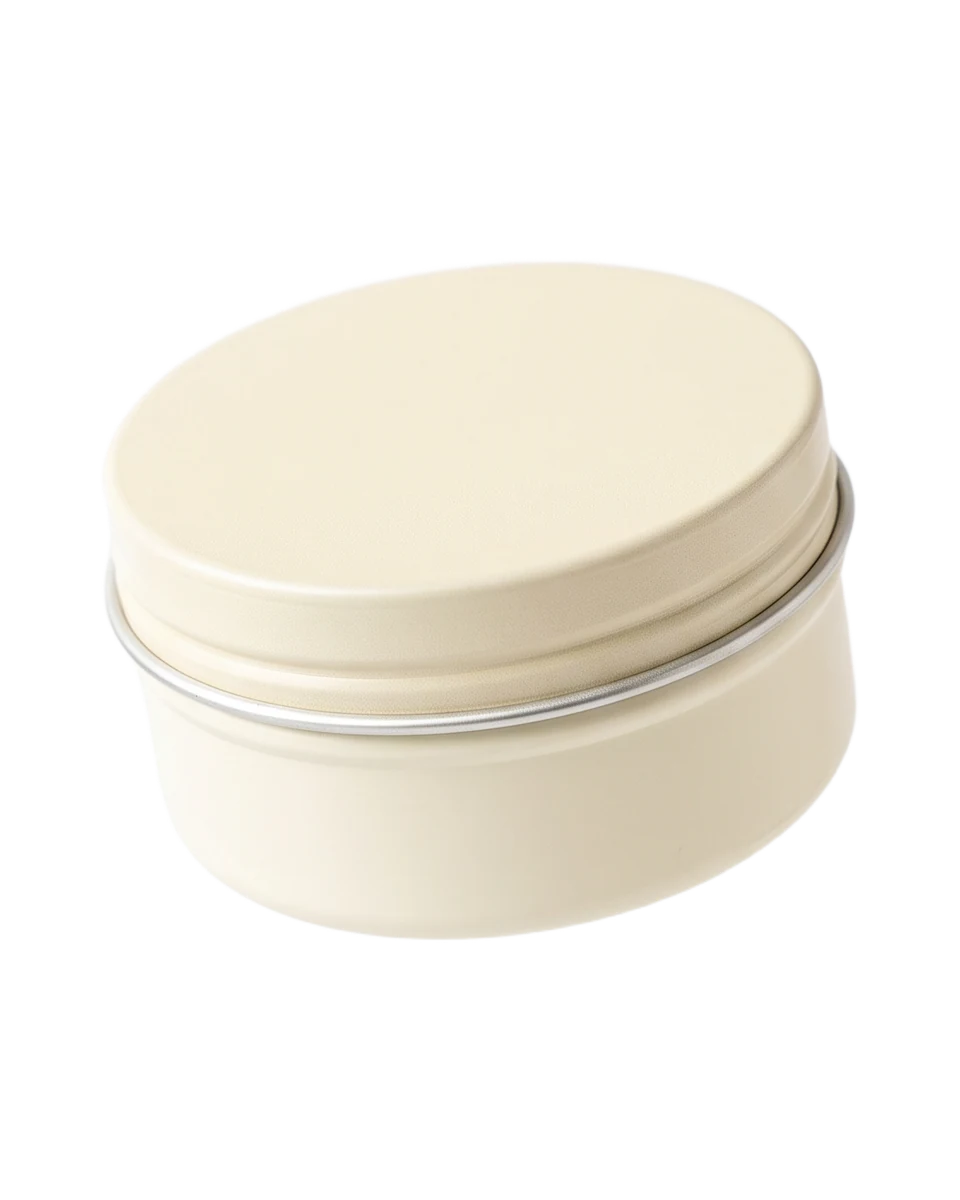
Wind cream is a thick, greasy balm for a baby's face. You smooth a thin layer onto the cheeks before a walk in cold wind, and it slows down how fast the wind dries the skin. Dry, cold wind is what leaves cheeks red and chapped, which is called windburn.
The name comes from Europe, where shops sell it as wind and weather cream. In the US, plain petroleum jelly does the same job.
Use it before going out when the feels-like temperature is below 0°C (32°F) or a cold, dry wind blows, and whenever the cheeks are already dry. Otherwise, skip it.
- For ages1+months
- You'll need1tube
- Use it below0°C32°F
What windburn is
Windburn is red, dry, rough skin where the wind reaches: the cheeks, the nose and the chin. It can sting, and it may flake as it heals.
The pink glow of a cold walk is different: it fades once your baby is warm again. Windburn stays rough for days.

Types of wind cream
Each of these can do the job. Pick by where you shop and how you like to put it on.
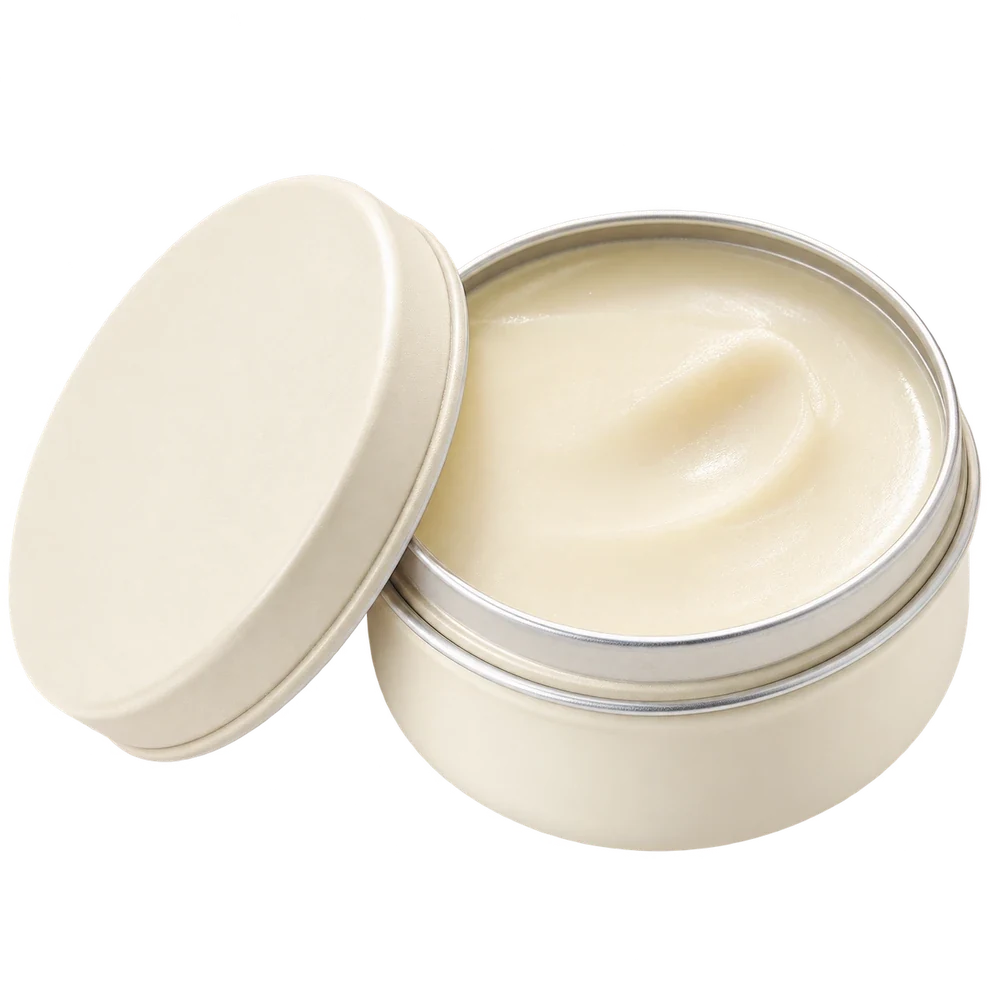
Wind cream
A balm made for babies' faces in the cold, in a small tin or tube, mostly of plant oils and waxes. It's easy to find in Europe and rare in US shops. Read the label before you buy, though, because nearly all of them have perfume added.
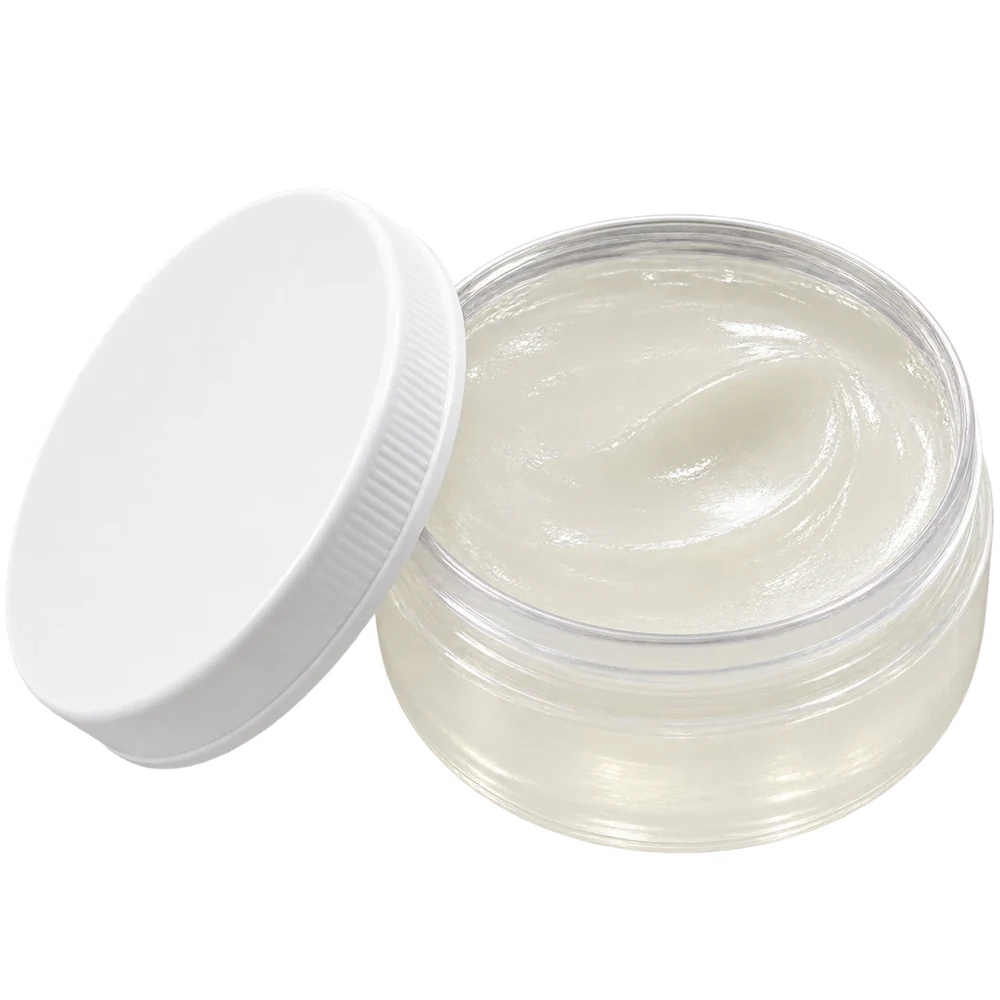
Petroleum jelly
The simplest choice: one ingredient, no water and no perfume, sold in every US pharmacy. Labels call it petrolatum. A healing ointment is petroleum jelly with a few other ingredients mixed in, often lanolin.
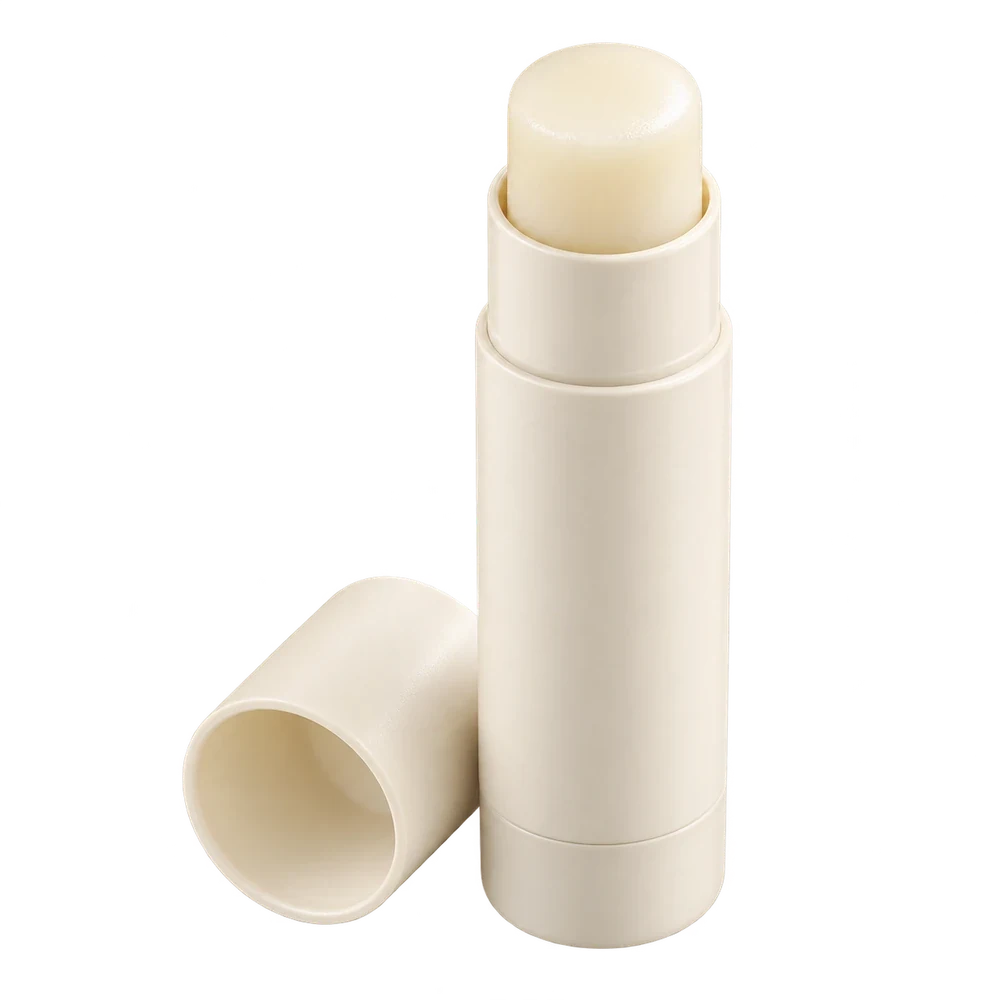
Balm stick
Wind cream or petroleum jelly in a twist-up stick, like a lip balm. It suits the diaper bag: you glide it on without greasy fingers when you are out.
How to choose a wind cream
1. Mostly oil or wax, not water
Lotions and most everyday creams are mostly water, and on a cold walk that water dries off and cools the skin. Labels list ingredients from most to least, so look at the first one.
- Good: Oil, wax or petrolatum listed first
- Good: Sold as an ointment or balm
- Not good: Water or aqua listed first
2. Fragrance-free
Perfume can irritate dry, windblown skin, so skip perfumed creams. Products made for babies are no exception, so check the label.
- Good: Fragrance-free on the tin or tube
- Not good: Parfum or fragrance on the list
- Not good: Scented baby petroleum jelly
3. A short ingredient list
Every extra ingredient is one more thing to react to. Most babies are fine with lanolin (wool wax) and plant extracts such as calendula, but a few react to them. Lanolin reactions are more common in babies with eczema.
- Good: Petrolatum as the only ingredient
- Good: Lanolin-free, for eczema-prone skin
- Not good: A long list of plant extracts
How to protect your baby's face from wind
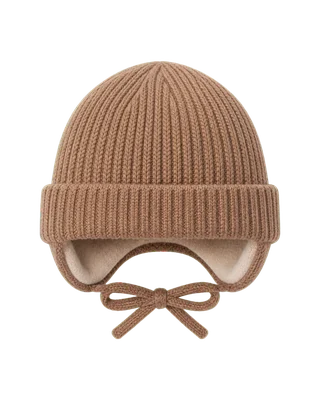
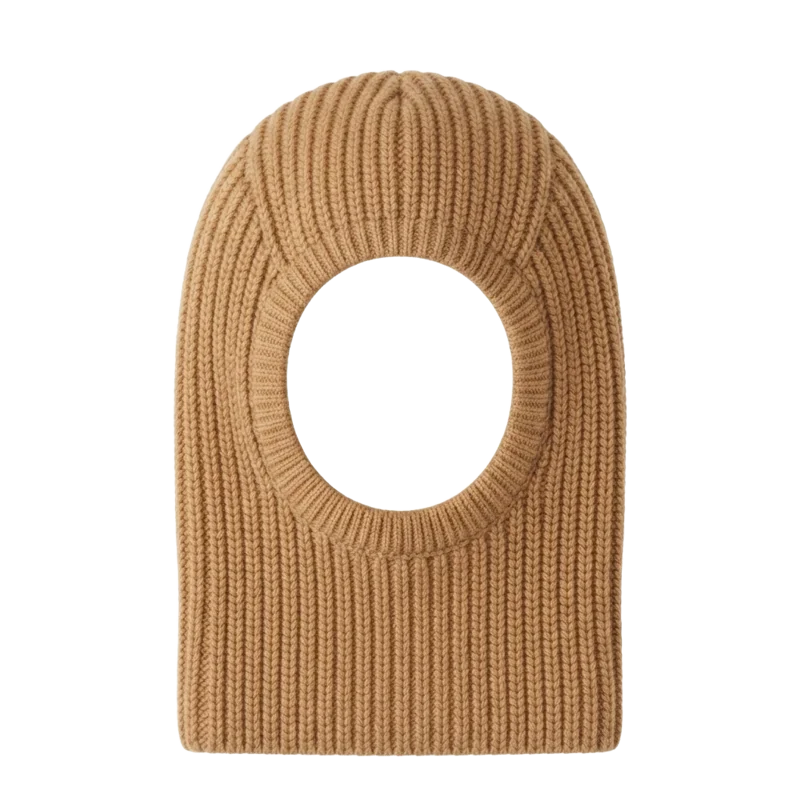
Put it on at the door, right before you go. The rest of the job is the hat over the ears, a windproof outer layer and the stroller hood pulled forward.
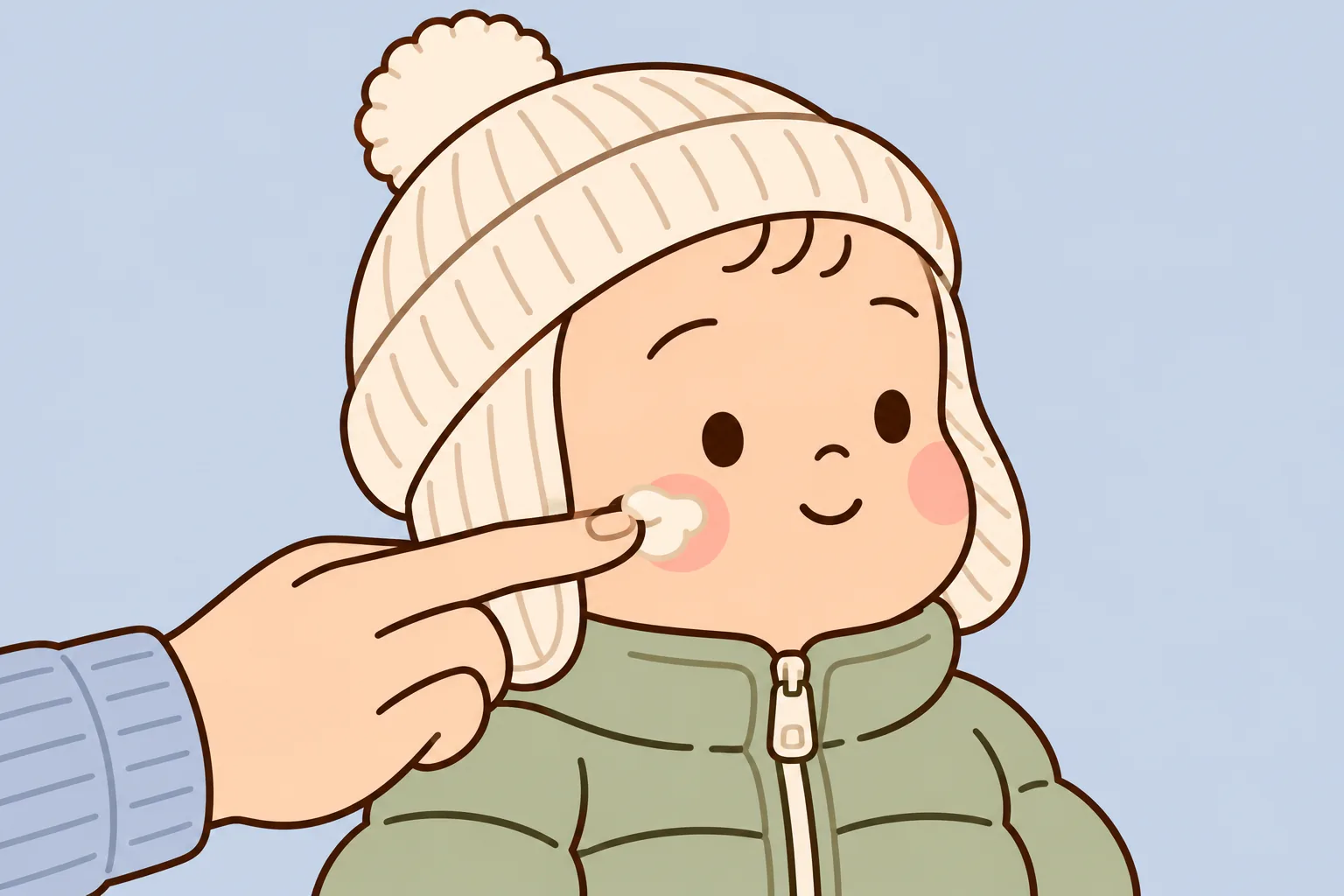
Cheeks
They're the biggest patch of bare skin. Smooth on a thin layer, just enough for a slight shine. It sits on top of the skin, so there's nothing to rub in or wait for.
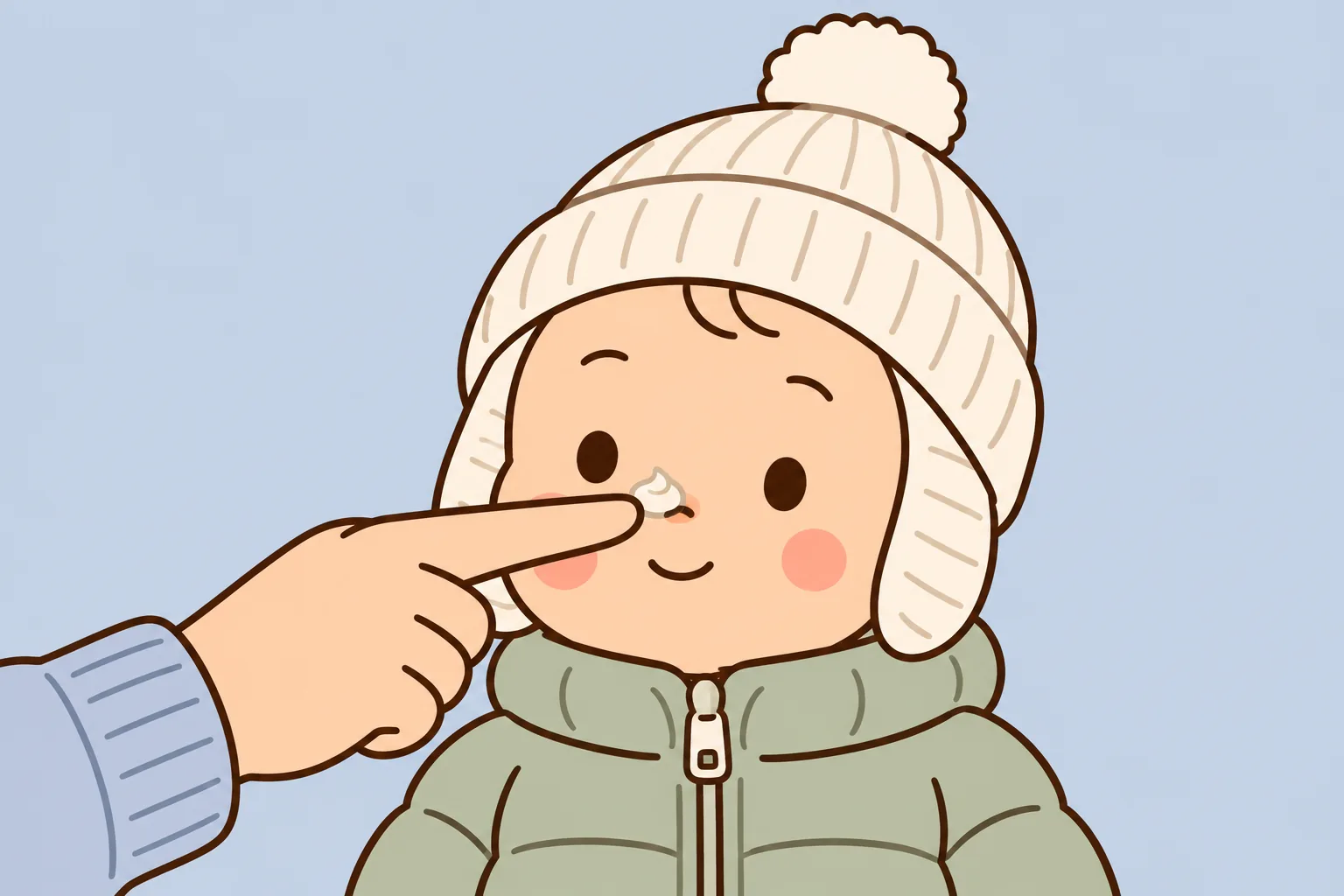
Nose
A little on the tip, and none higher up, so it stays away from the eyes.
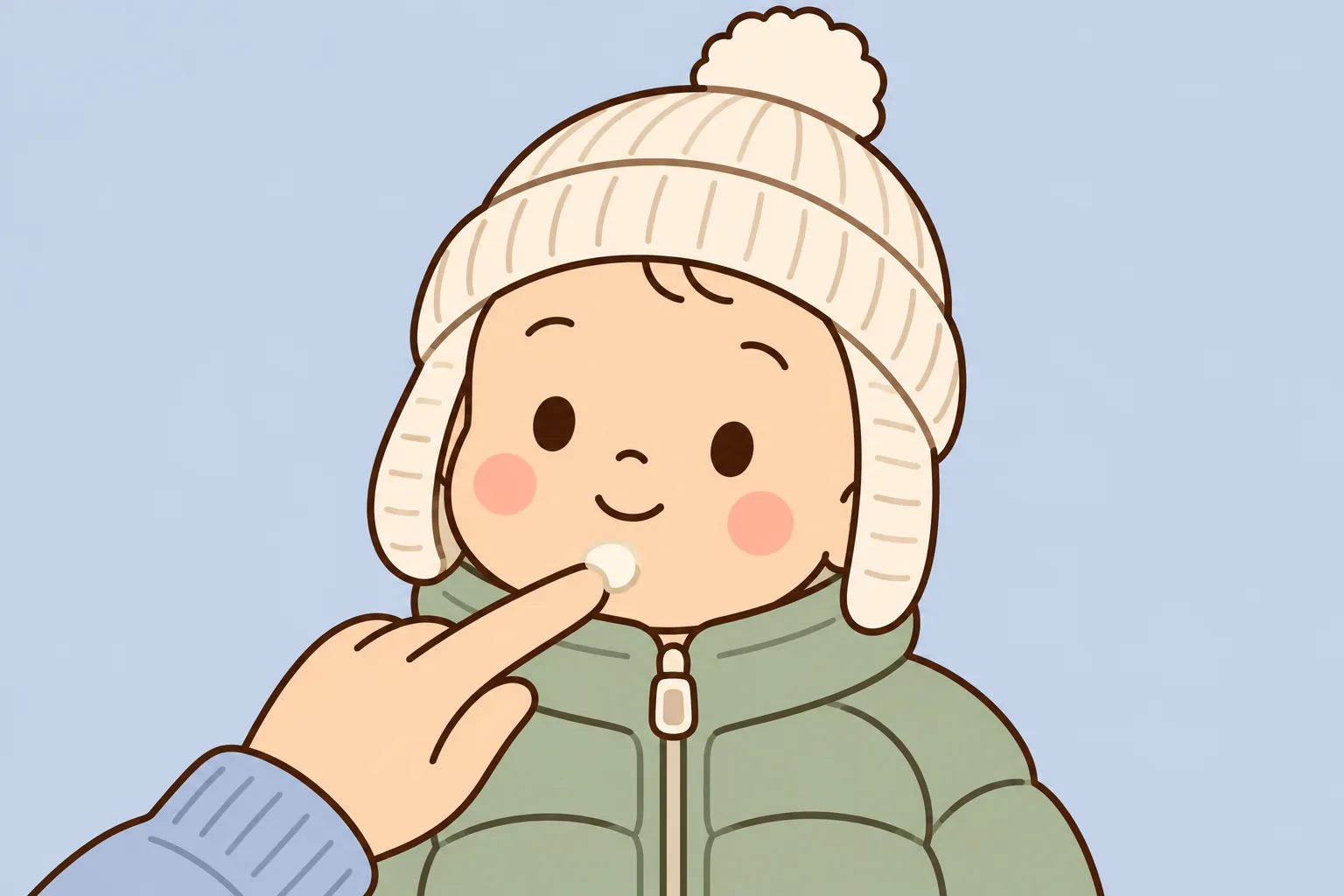
Chin
Milk and drool wipe it off, so add a little more after a feed if you're still out.
What wind cream does not do
Cream on a cold cheek feels like a shield, so it's easy to think it keeps your baby safe from the cold. It doesn't keep the skin warm, though, and it doesn't prevent frostbite. On days below 0°C (32°F) feels-like, keep walks short and check the cheeks for pale or white patches, cream or no cream.
Questions parents ask
What can I put on windburn or chapped cheeks?
A thick, fragrance-free ointment, such as plain petroleum jelly, in a thin layer three times a day. On cracked skin it works well, because it keeps the cracks covered while they heal.
Can I use petroleum jelly or a healing ointment on my baby's face?
Yes. Plain petroleum jelly is fragrance-free, and it suits even children with eczema. A healing ointment works the same way, but stop either one if the skin gets redder or itchy.
What can I put on my baby's chapped lips?
A thin layer of plain petroleum jelly or a fragrance-free baby lip balm. Put it on again after feeds, because milk and saliva wash it off.
Why are my baby's cheeks red and dry?
Cold wind is one cause. A red, rough rash on the chin and cheeks of a drooling baby is often drool rash, which a dry bib helps keep away. Dry, itchy patches that also show up in the elbow or knee creases may be eczema. Baby skin in wind, sun and cold explains how to tell them apart.
Is it windburn or sunburn?
They look alike, and after a bright day, above all on snow, part of the redness may be sunburn, because snow reflects the sun's rays. Wind cream does not protect from the sun. Sunscreen does: from 6 months, put baby sunscreen on the cheeks when the UV index is 3 or more, and keep a younger baby's face in the shade.
How long does windburn last?
With ointment, most chapped skin heals within a week. If it is no better after two weeks, or it bleeds or weeps, see your doctor.
Can I use coconut oil instead?
It helps less. An ointment such as petroleum jelly sits on the skin as a layer and protects it better than any oil. Skip olive oil altogether, since on a newborn it can slow down how the skin builds its own barrier.
What's the difference between windburn and frostbite?
Windburn is red, dry and sore. Frostbitten skin turns pale, white or blotchy and feels cold, hard and numb, most often on the nose, ears, fingers and toes. If you see that, go inside and warm the skin gently without rubbing, as the guide to a baby's first snow explains.
Can I use it on a newborn?
Not in the first 2 to 4 weeks. Newborn skin often peels, which is normal and needs no cream, and it is better to skip skin products this early, while the skin's own barrier forms. Until then, keep cold walks short and the face out of the wind.