What this is about
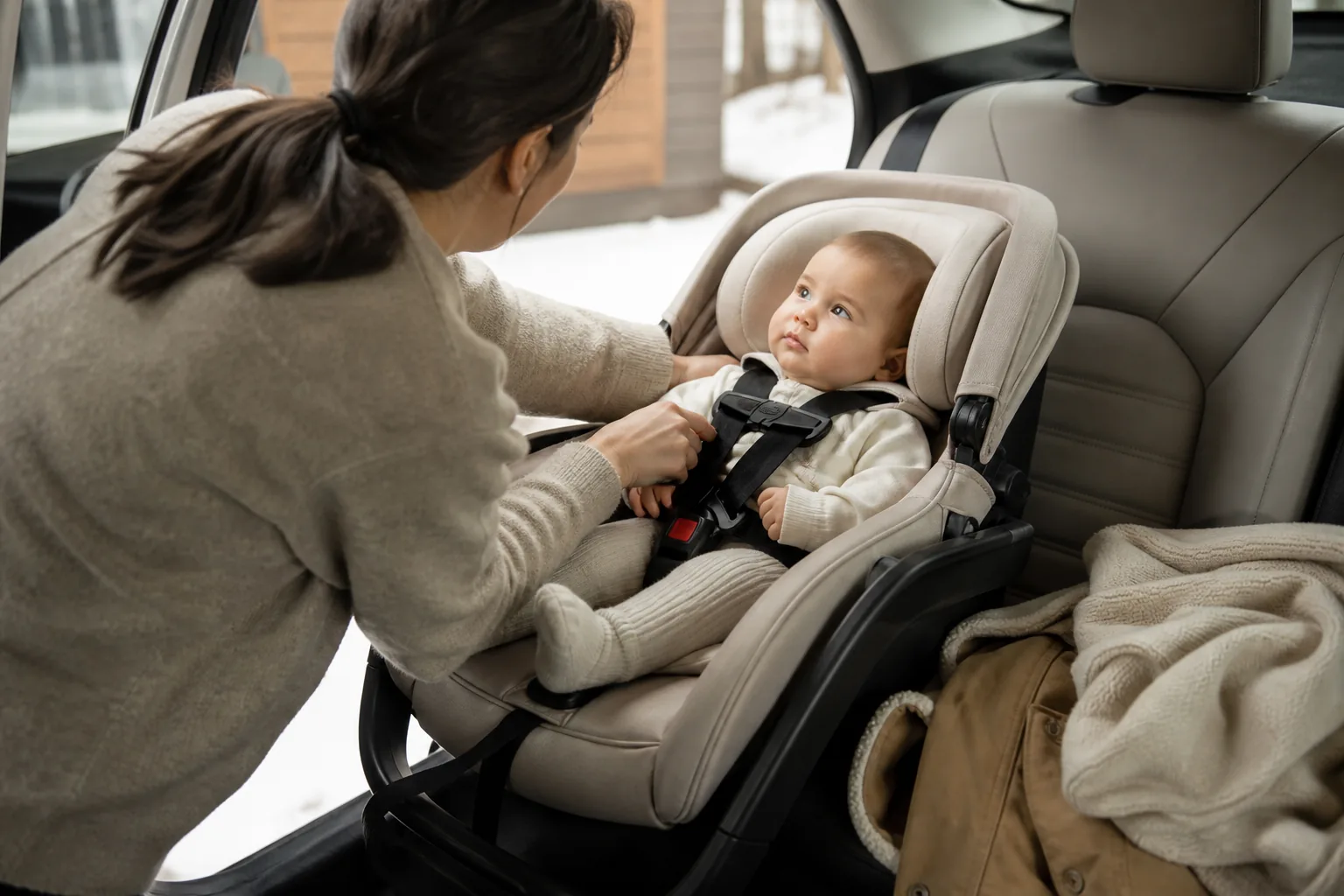
A winter drive starts in the freezing cold and ends in a heated cabin. You step into a car that feels like an icebox, but ten minutes down the road the heater has the cabin at room temperature. The harness cannot change mid-drive, so the clothes underneath must suit the warm cabin. Keep the layers against the body thin, and handle the frost with warmth you can peel off without loosening the straps.
Why thick padding creates slack
The danger of a puffy jacket is that it lies to you. When you pull the harness tight over down or polyester batting, the straps feel snug because the fluff pushes back. But winter padding is mostly trapped air. In a sudden stop, crash forces squeeze that air out in a fraction of a second, leaving inches of empty slack around your baby's chest.
A thin, fitted microfleece does not create that squishy gap. The webbing can lie flat and stay close to the body. Even with thin layers, check the tension each time: changing from a light cotton top to a fleece still needs a fresh pull on the harness strap.
 Yes
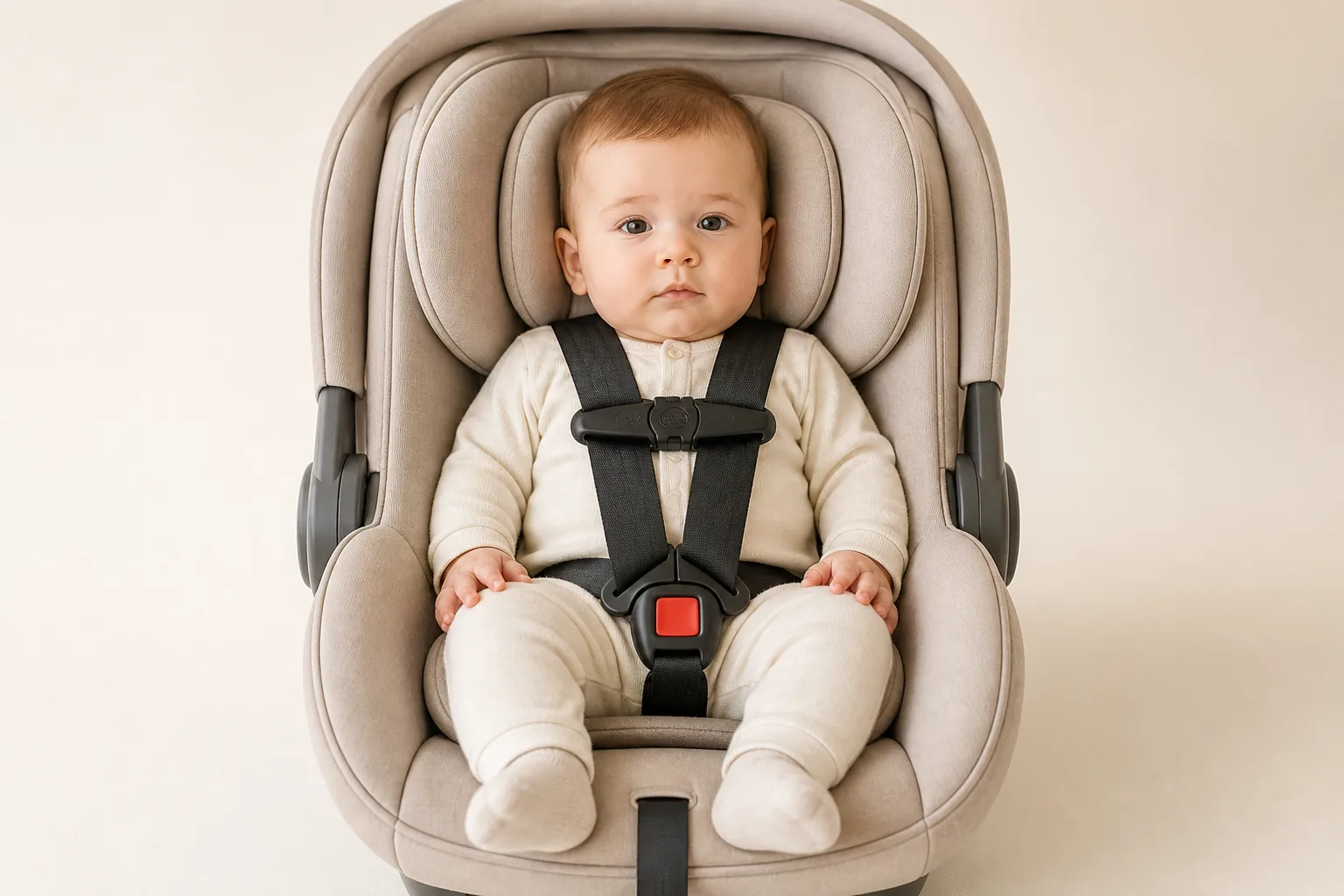
YesThin, fitted layers
The straps can lie flat and remain close to the body.
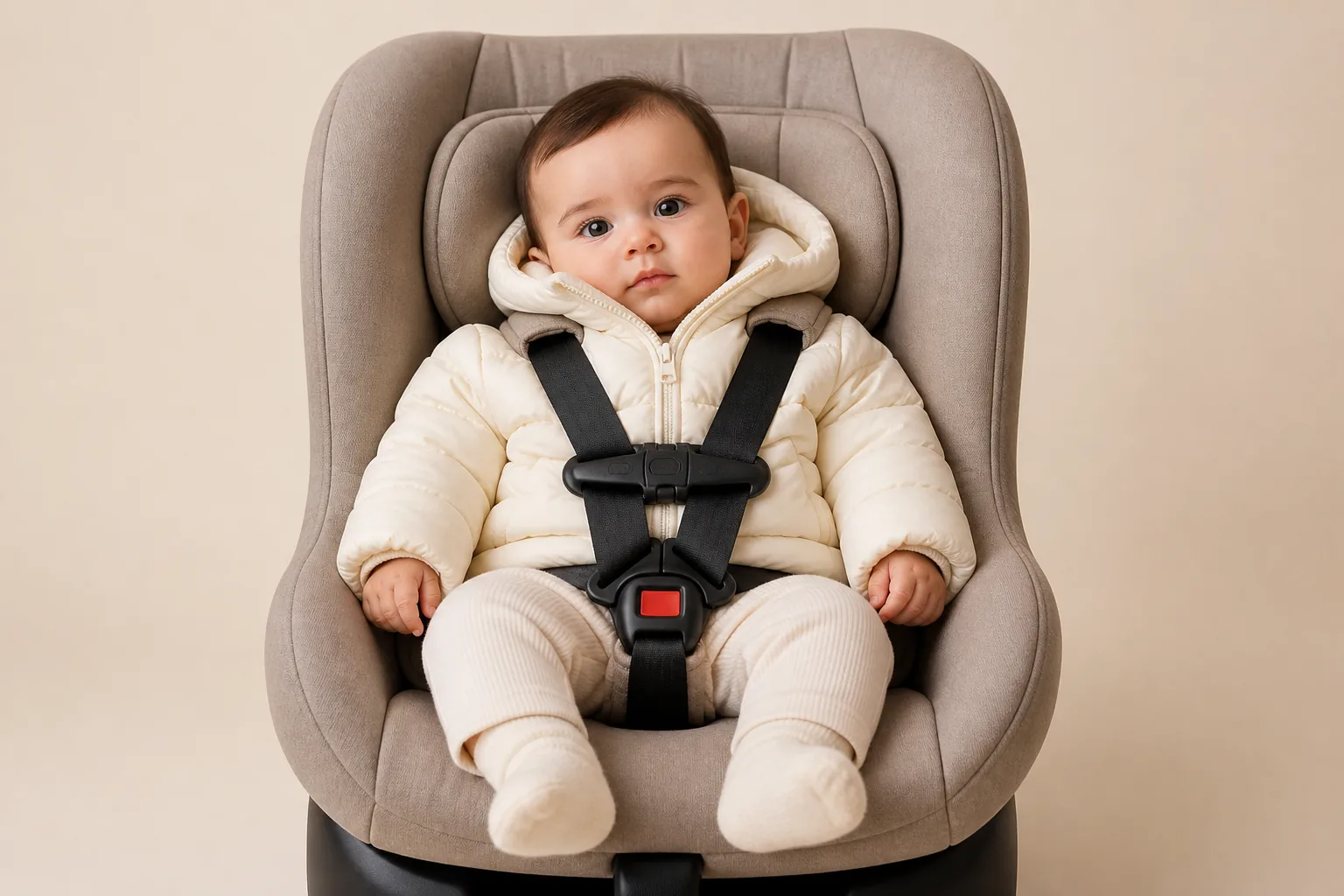 No
NoPuffy jacket underneath
The soft padding can flatten and leave hidden slack in the harness.
What to wear under the straps
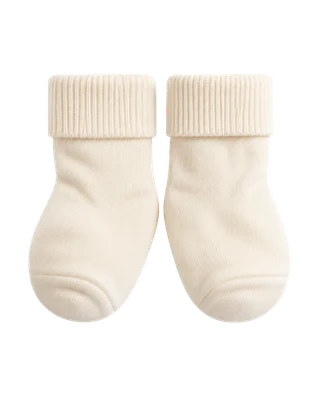
Under the harness, your baby dresses for the cabin rather than the pavement. A long-sleeve bodysuit, soft pants, and socks form the base for most winter drives. If the car is genuinely cold, add a thin microfleece cardigan or sweatshirt as the top layer.
24° and warmer
short-sleeve bodysuit, light pants
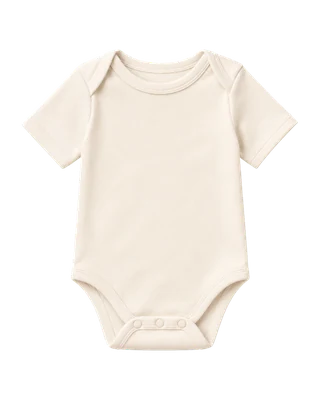
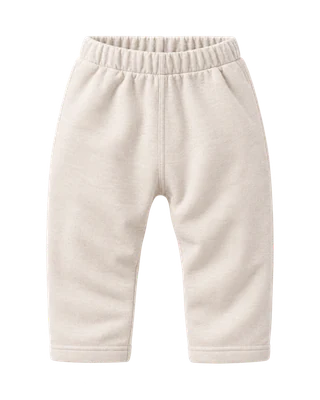
16–23°
long-sleeve bodysuit, light pants, thin socks
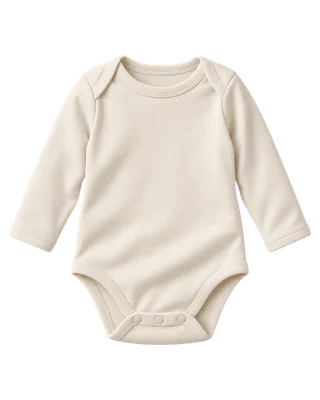
8–15°
long-sleeve bodysuit, light pants, thin socks, thin fleece
0–7°
long-sleeve bodysuit, light pants, thin socks, thin fleece, car blanket
Buckle first, then put the car blanket over the harness.
Below 0°
long-sleeve bodysuit, light pants, thin socks, thin fleece, car blanket
Buckle first, then put the warm car blanket over the harness.
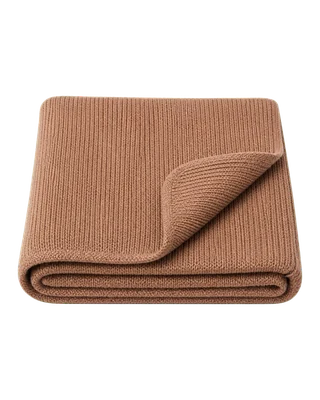
Below 8°, colder weather outside does not mean thicker clothes under the straps. The outfit beneath the harness stays the same: a bodysuit, pants, and a thin fleece. When the mercury drops toward freezing, upgrade the blanket on top rather than padding the seat underneath.
Buckle before the blanket
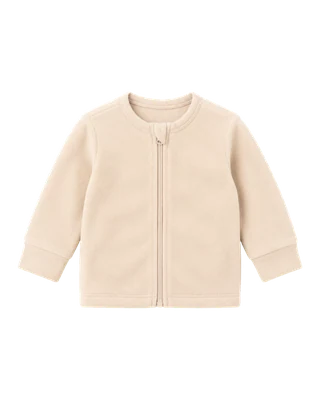
Thin layers
Dress your baby in thin, fitted indoor clothes.
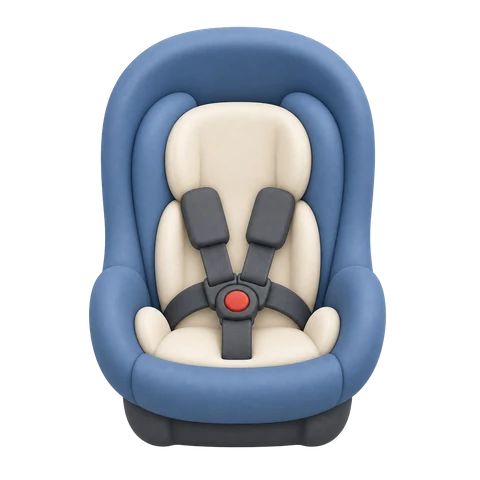
Snug harness
Buckle and tighten until the straps lie flat without slack.

Warmth on top
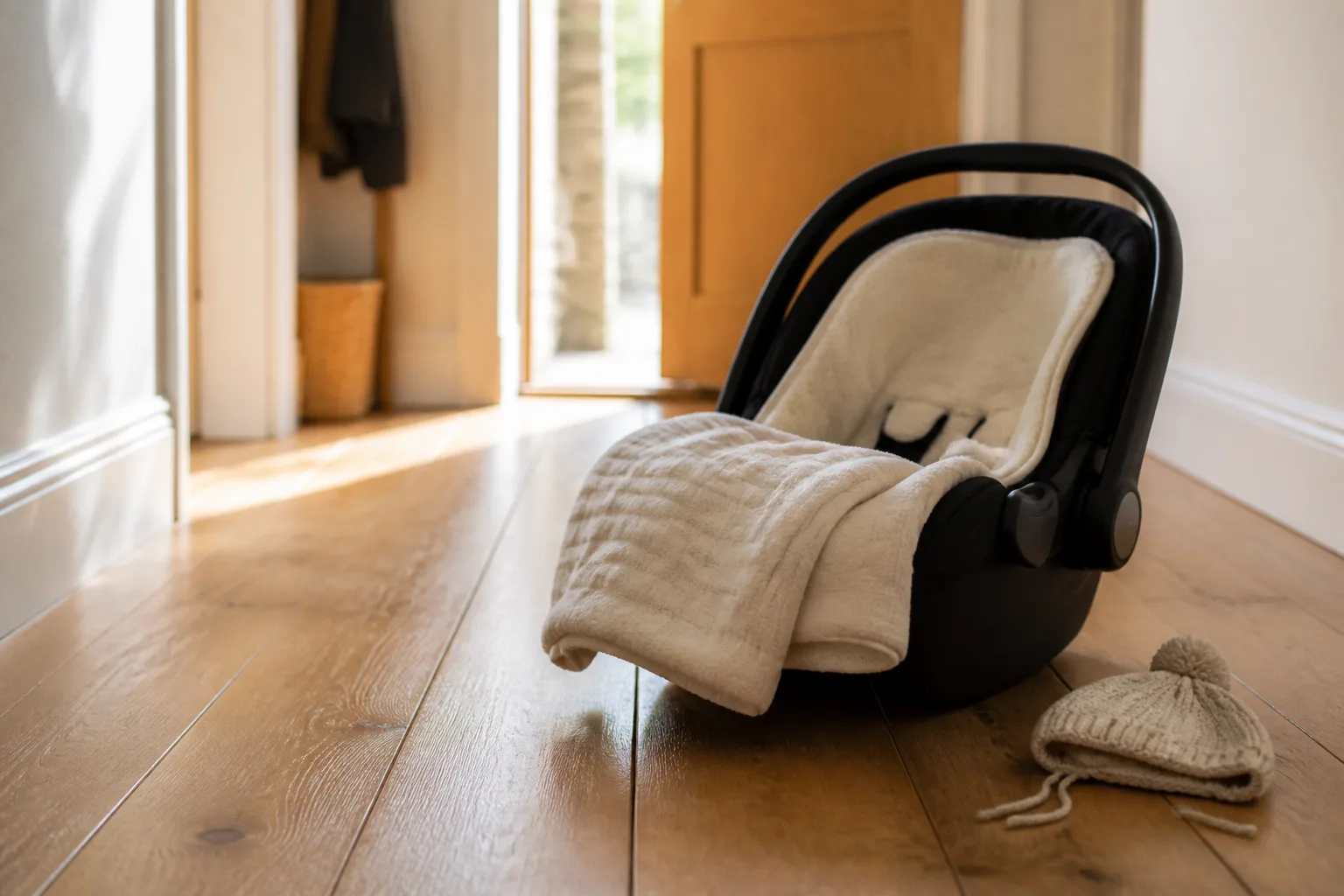
Drape a blanket or backwards coat over the buckled straps.
Drape the blanket over your baby from the armpits down. Keep the face and buckle visible, along with any chest clip. Never wrap the blanket around the back or tuck it underneath the seat cushion.
For wriggly babies who kick blankets onto the floor, use the backwards coat trick. Buckle your baby in thin clothes first. Then slip the warm coat over their arms from the front, so the back of the coat covers their chest like a blanket. The sleeves keep it from falling off, the harness stays snug against the body, and the coat pulls off easily when the car warms up.
Keep the outdoor jacket or snowsuit in the car beside the seat. When you arrive at your destination, lift your baby out of the seat before slipping them into their heavy outer layer. For newborns, the winter newborn checklist shows what to pack for the time outside the vehicle.
Once the cabin warms up
Removable warmth is only useful if it actually comes off. Once the heater warms the cabin, pull the blanket back and take off any knit hat used for the walk to the car. Babies can overheat quickly in car seats because dense safety foam and synthetic fabric do not breathe.
If you are driving alone, plan for the warm cabin before you pull out of the driveway. You cannot safely reach into the back seat to pull off a blanket while driving on a highway. On solo trips, pre-warm the car for a couple of minutes, use a lighter blanket, or pull over safely to remove layers once the cabin heats up.
When you stop, feel the back of your baby's neck or chest. Cold hands and feet are normal in babies and do not mean they are freezing. A warm, dry neck means the temperature is spot on. If the skin feels damp or hot, peel back the blanket.
Summer heat and hot buckles
At 24° and warmer, car seats turn hot quickly. Dress your baby in a short-sleeve bodysuit and lightweight cotton pants so bare thighs do not stick to the seat fabric. Before placing your baby in the seat, touch the plastic shell and metal buckle tongs with the inside of your wrist. Dark upholstery and metal clips baking in the sun can easily burn delicate skin.
Parked cars are dangerous regardless of what your baby is wearing. Vehicle cabins can reach dangerous temperatures in minutes, even with a window cracked open or the car parked in the shade. Never leave your baby unattended in a car, even for a quick errand.
The aftermarket trap: skip add-on padding
Baby stores sell dozens of accessories designed for car seats: quilted sleeping bags, fleece bunting with strap slots, head huggers, and plush shoulder pads. It is easy to assume that if a shop sells an accessory, it must be safe. But unless an insert came in the box with your car seat or was made and crash-tested by your seat's manufacturer for that exact model, leave it on the shelf.
Any cushion or sleeping bag that sits behind your baby's back or routes straps through fabric holes introduces the exact same problem as a winter coat. It squashes flat in an accident and leaves dangerous slack. An ordinary clean blanket draped over the harness is cheaper, safer, and does not compromise crash protection.
Questions parents ask
How do I know whether a fleece is thin enough?
Choose a lightweight microfleece that fits like a sweater. If you pinch the fabric between your fingers and it feels fluffy or padded like outerwear, it is too thick for the harness. When in doubt, buckle over a long-sleeve cotton bodysuit and put the warmth over the top.
Can I use a car-seat cover or footmuff?
Shower-cap style covers that stretch over the outer rim of the infant bucket without touching the harness are generally fine. Avoid any footmuff, liner, or bunting bag that sits beneath your baby or threads straps through back slits. A tucked blanket over the straps is simpler and always safe.
What changes on a long winter drive?
Dress your baby for the indoor temperature of the moving car. A single blanket over the lap is plenty once the heater runs. Never try to lean back and remove blankets while steering: if your baby gets fussy or flushed, find a safe exit to pull over.
Check the rear-facing harness
- Harness slots sit at or below the shoulders.
- The straps are snug. You cannot pinch slack at the shoulder.
- If your seat has a chest clip, it sits in the middle of the chest at armpit level.
Read the instructions for your exact seat. A certified child passenger safety technician can check the seat and harness with you.