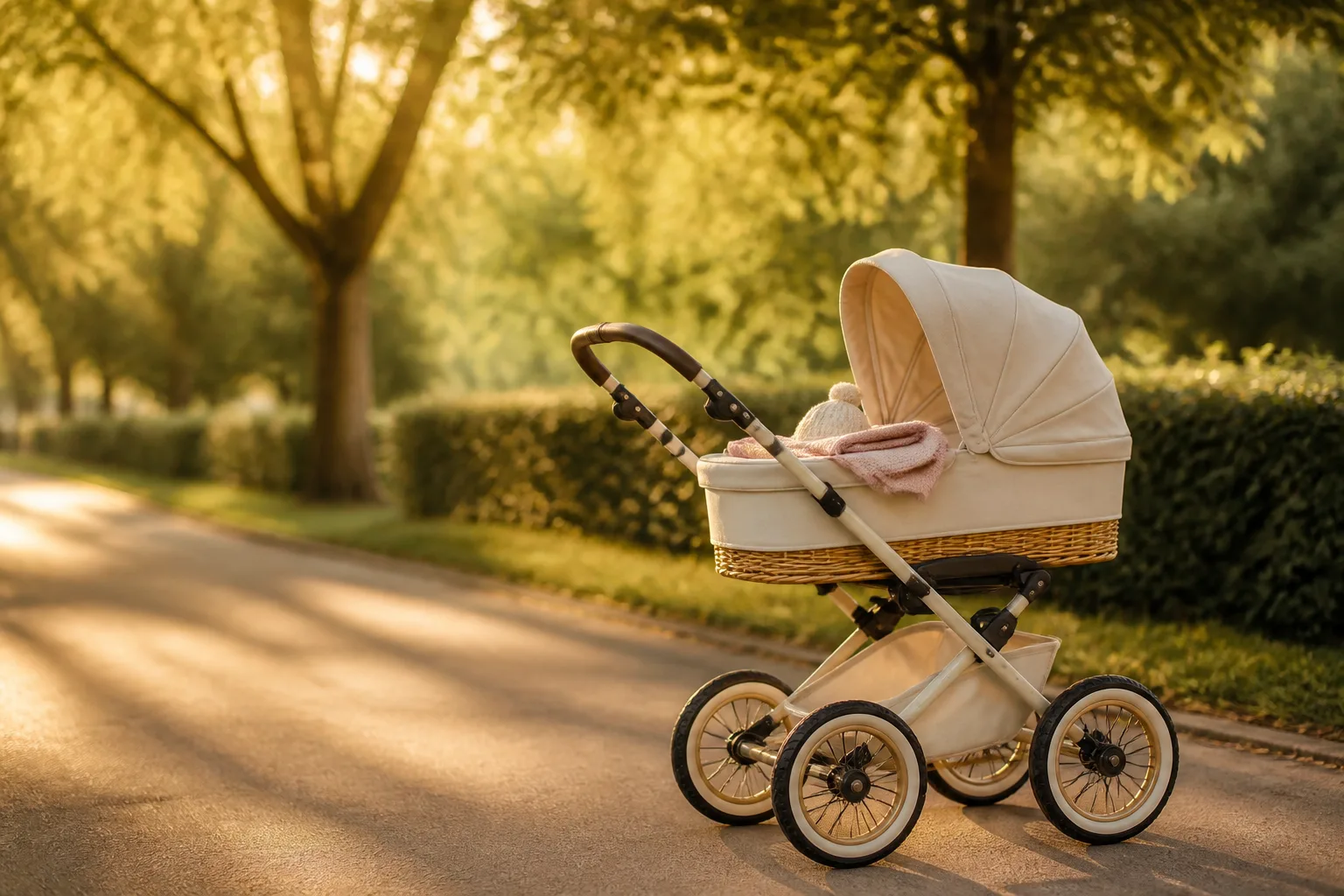
What this is about
A stroller puts two people into the same weather under completely different conditions. You are walking, steering, and pushing weight, so your body warms up within five minutes. Your baby is strapped into the seat, completely still.
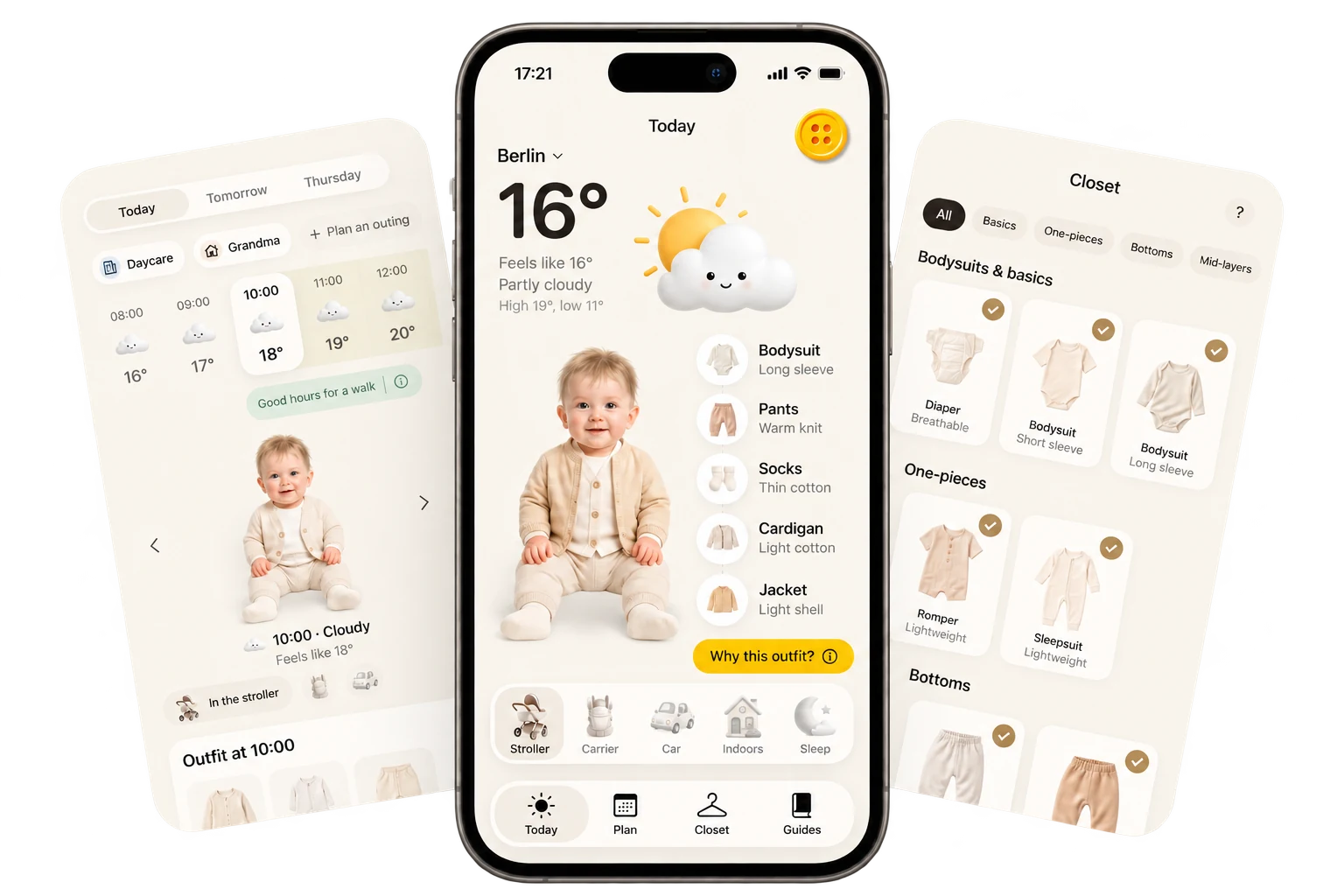
If you dress your baby by how warm you feel on the move, your baby ends up cold. Dress for someone standing still at a bus stop instead. The table below shows the whole outfit for today's temperature, and after the front door the clothes stay as they are. Only the blanket and the hat move.
One light layer more: the rule for a baby who sits still
A reliable rule of thumb is one light layer more than what an adult wears standing still. That difference is usually a cardigan, a light jacket, or a blanket tucked across the lap. It is a small adjustment for an inactive passenger, not a reason for a giant suit.
Go by the feels-like temperature, not the number on the thermometer. Wind reaches right into an open seat, and the feels-like number already counts it. In the first three months, a newborn needs one light layer more than the table shows.
The kind of walk matters as much as the weather. A long loop through the park in real cold is the pram suit's job. A morning of errands, with a warm shop every ten minutes, goes better in a jacket with a footmuff or a blanket, because those open at every door and a suit does not.
Baby in the stroller: how warm to dress?
Stack thin layers rather than wrapping your baby in one thick, puffy suit. Thin pieces trap warm air between them, and you can shed one if the sun comes out. Bulky suits also compress under stroller straps, making the harness difficult to adjust snugly.
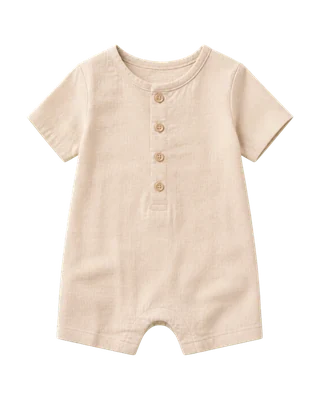
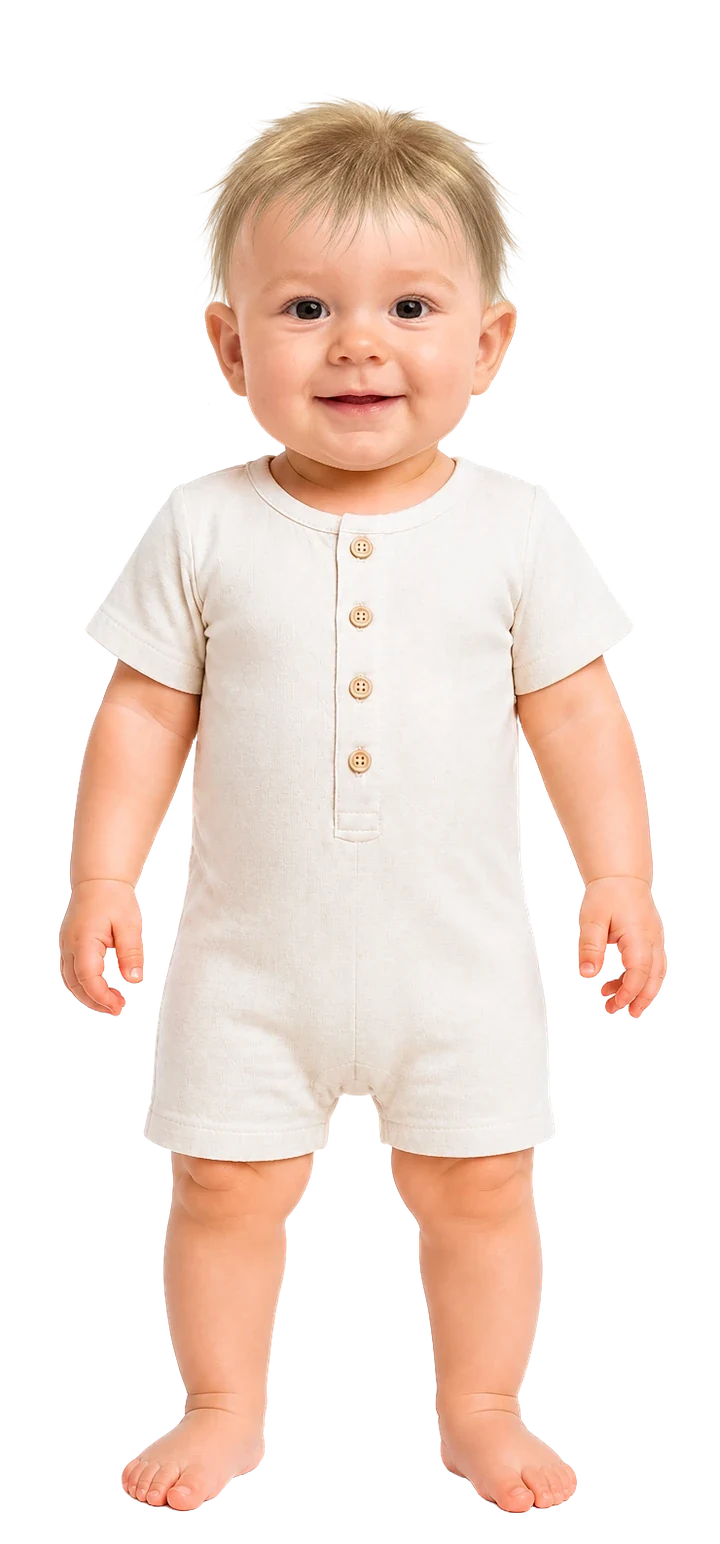
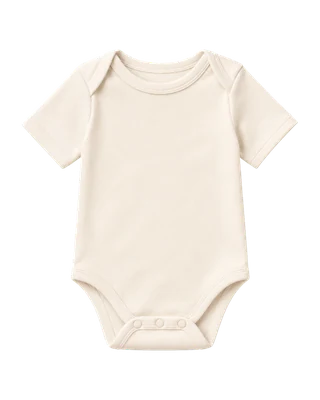
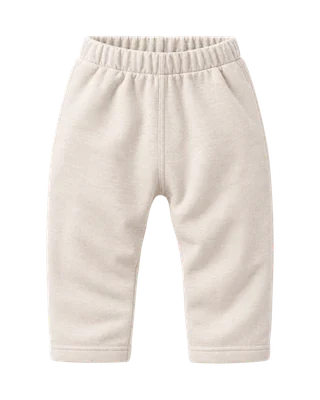
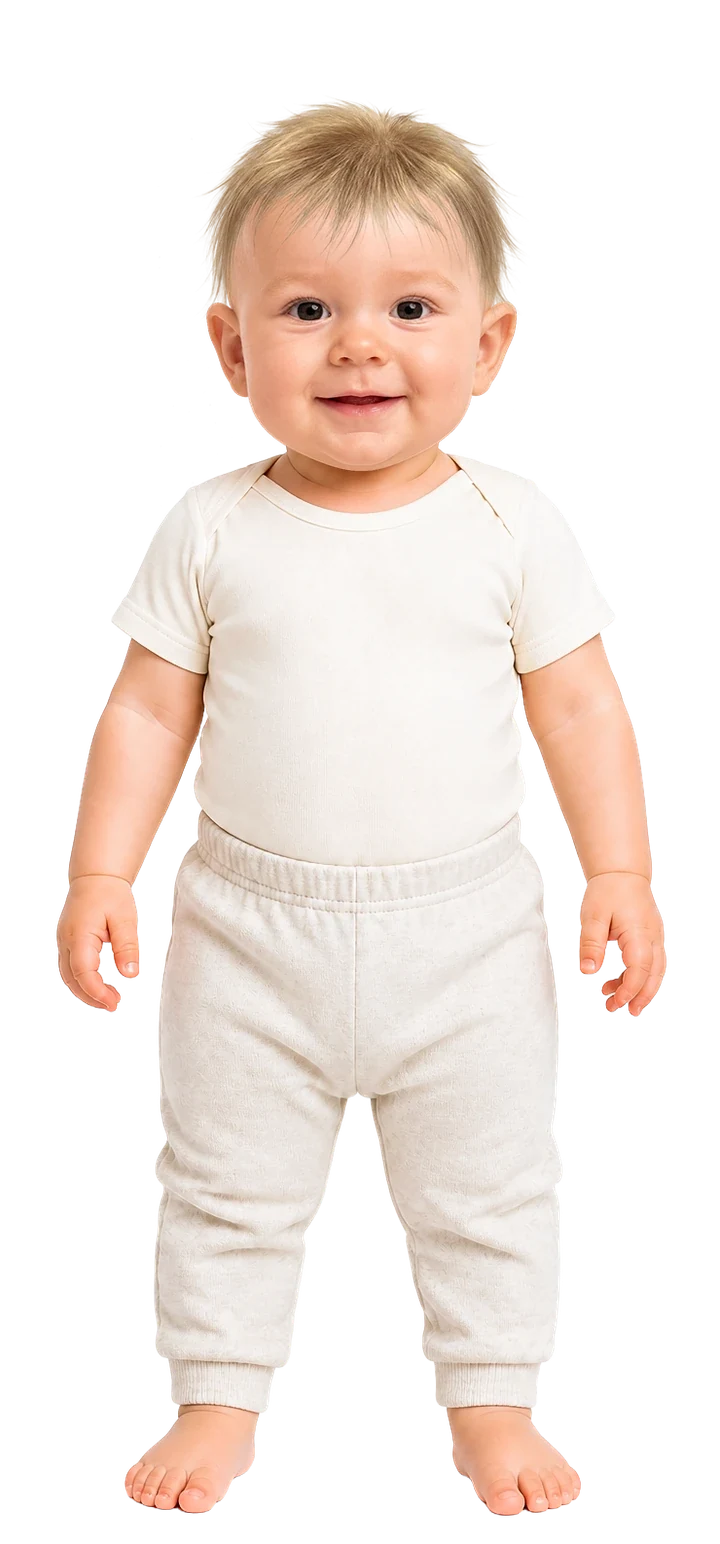
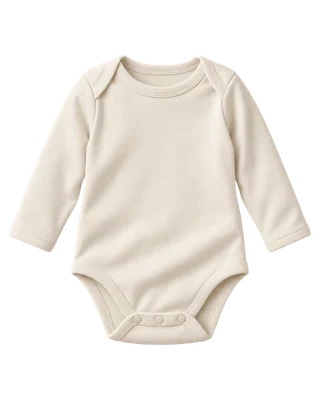
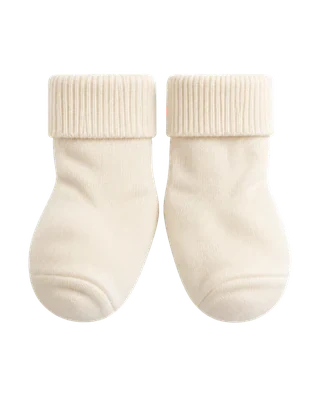
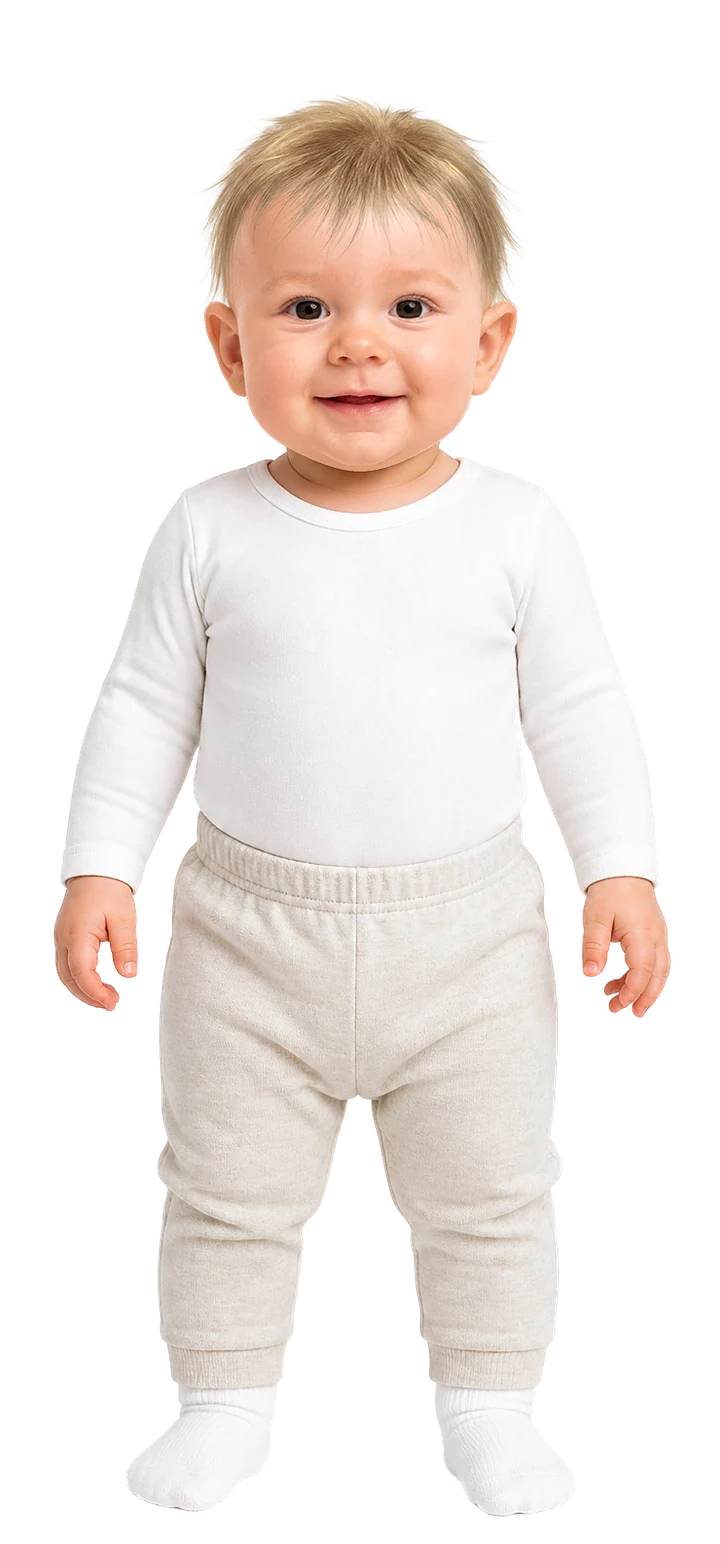
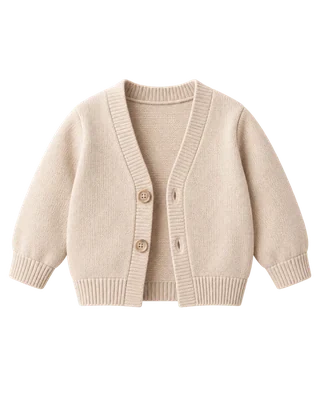
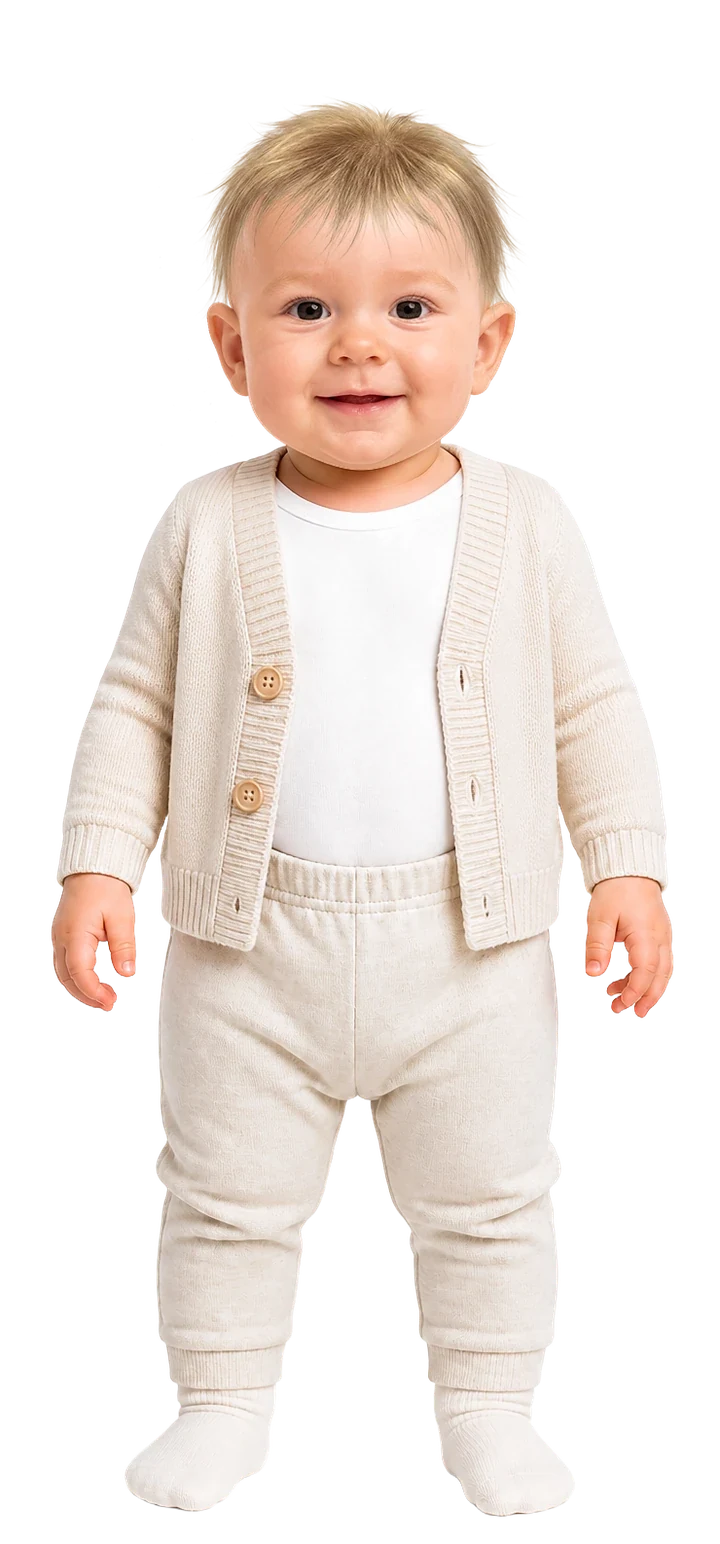
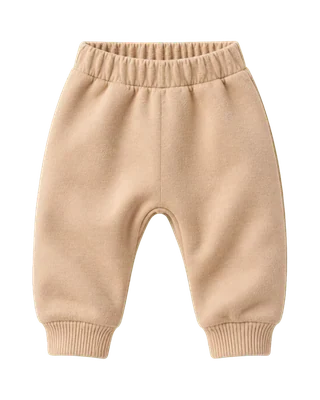
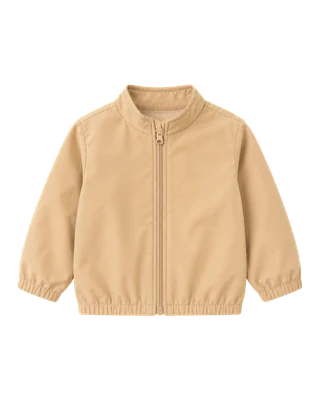
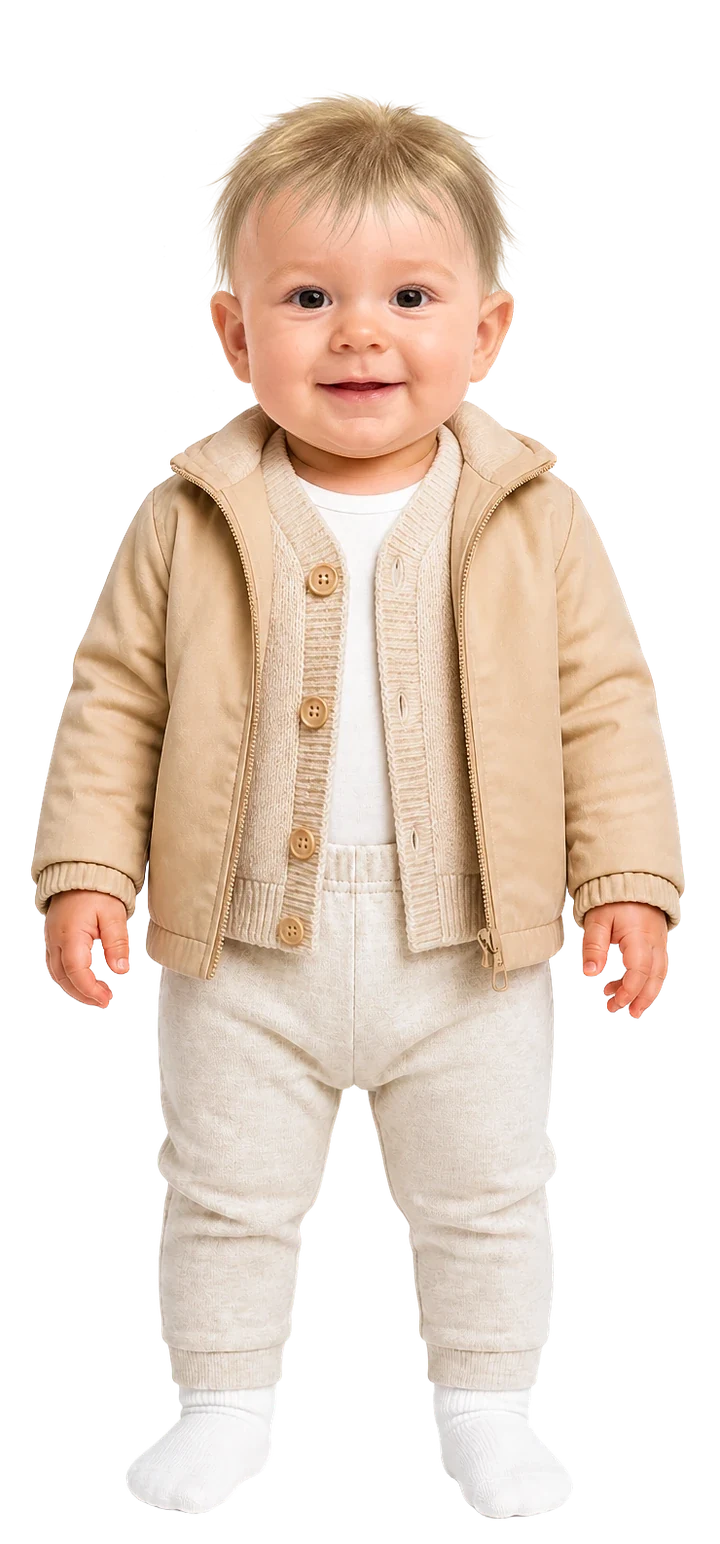
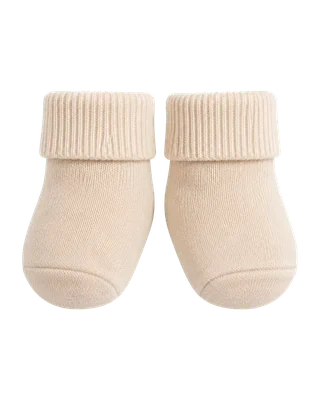
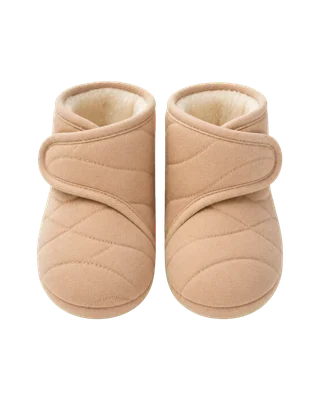
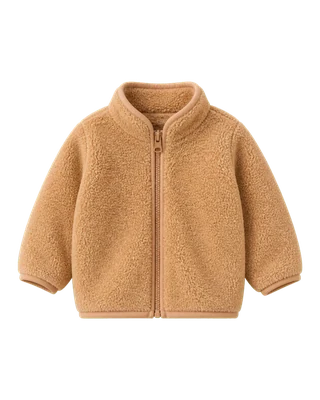
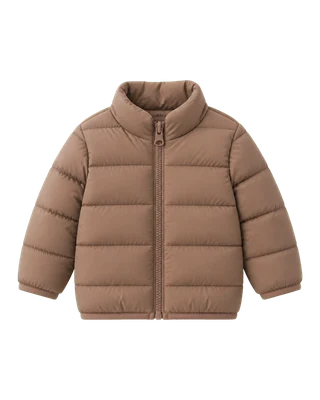
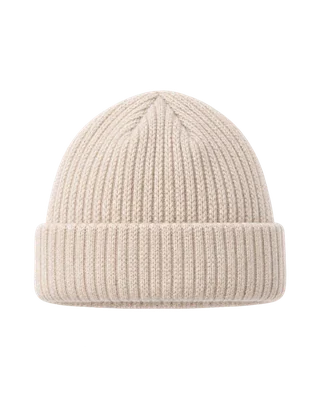
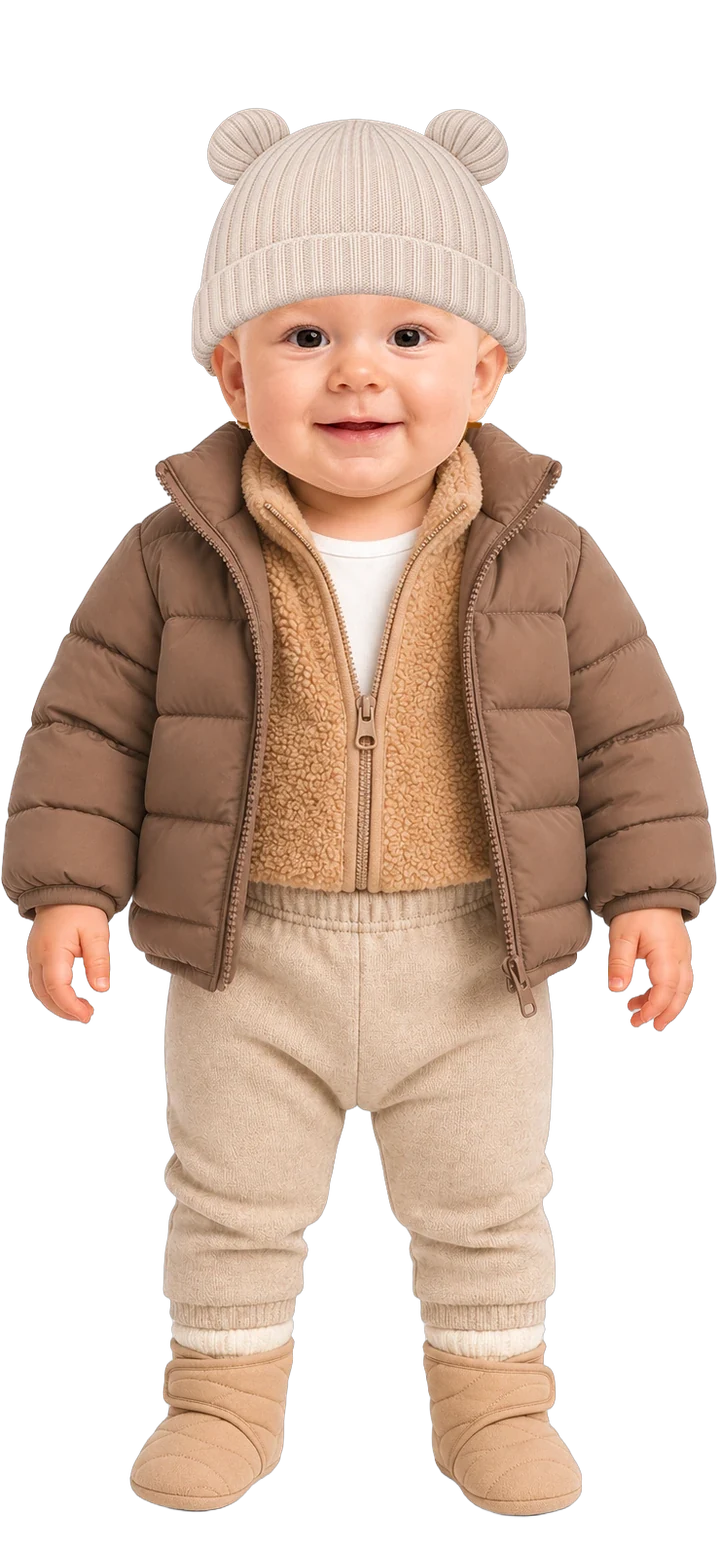
4–7°C39–45°F
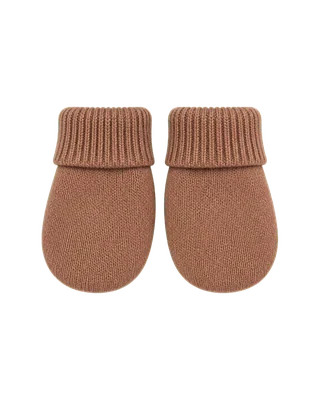
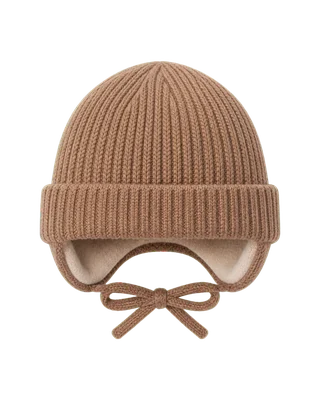
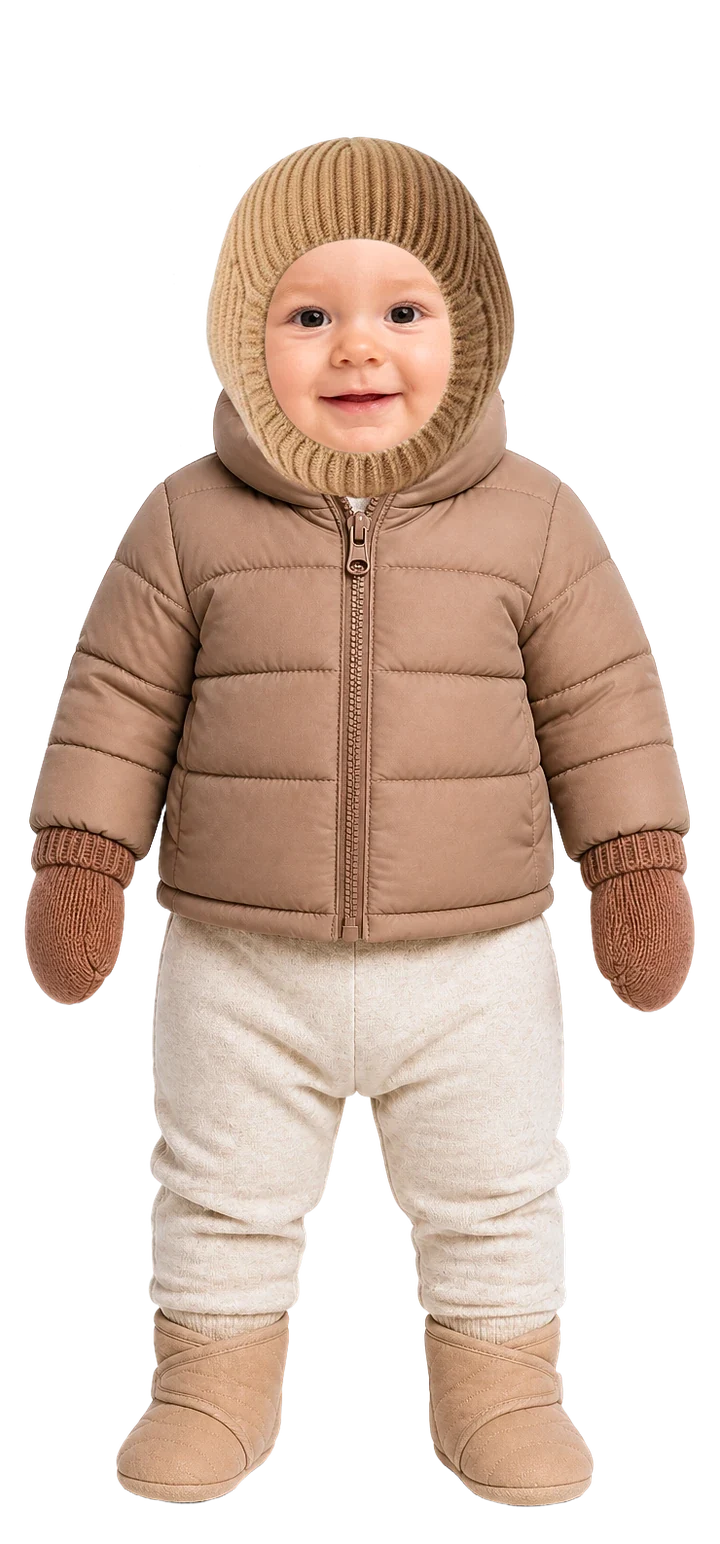
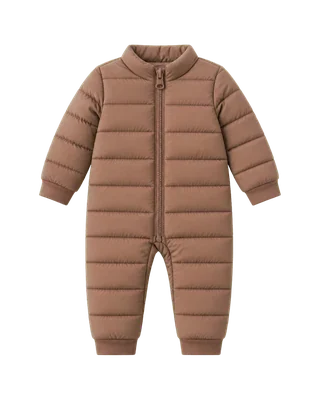
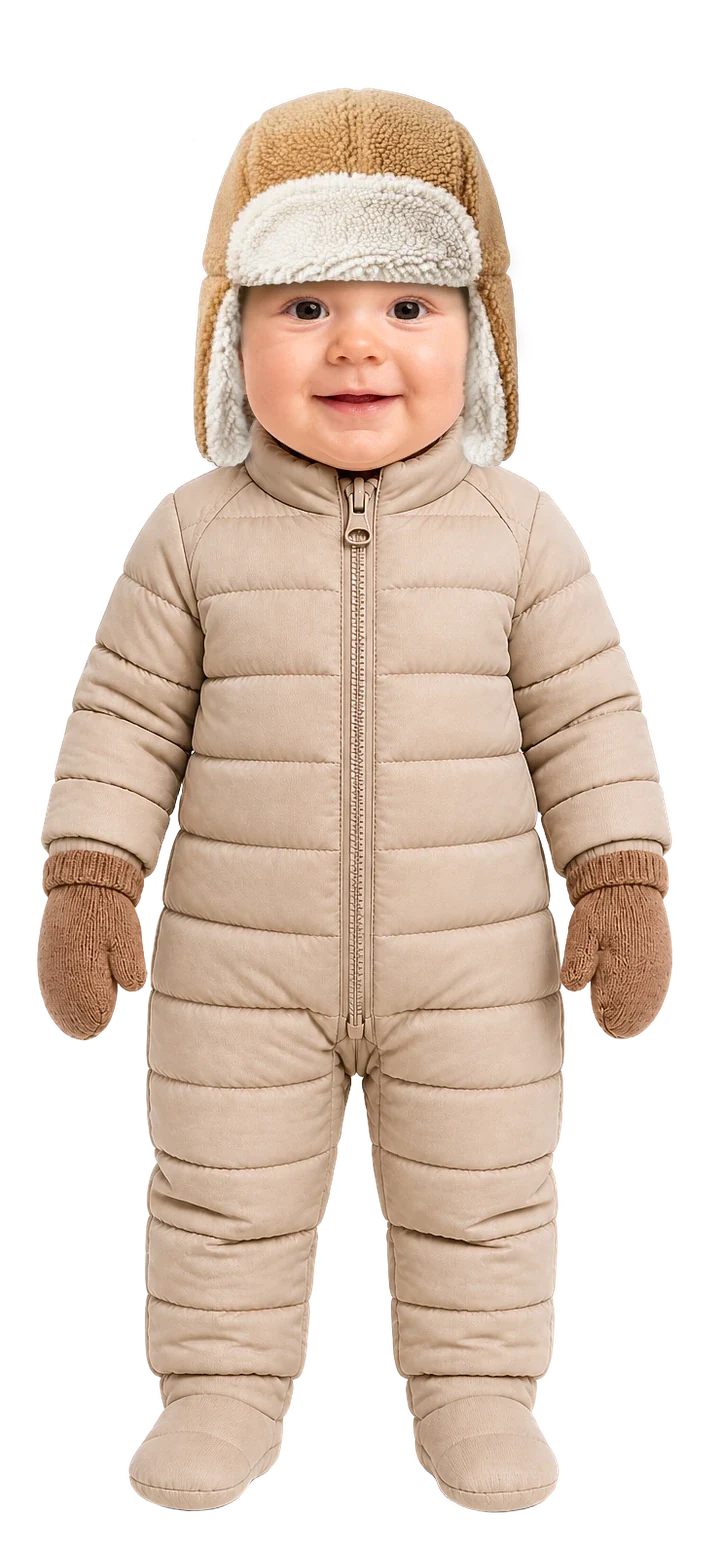
These combinations already account for an inactive baby, so resist adding an extra outfit over the top. A bodysuit, a cardigan, and a light jacket are already three full layers, even when each piece feels light in your hand.
At 16–23°C (61–73°F), you can get the same warmth with fewer pieces. A footed sleepsuit can replace the bodysuit, pants and socks, leaving far less fabric bunching under the seat harness.
On the move, asleep, in the shop: the blanket does the changing
Dress your baby once, at the front door, for the whole walk. From then on, leave the clothes alone and work with the blanket or the footmuff instead. Make it the first thing you adjust. Unzipping a footmuff takes two seconds and lets heat escape immediately. Stripping off a cardigan while wrestling a five-point harness on a windy sidewalk is a headache you want to avoid.
The legs need the blanket most. The top half rides in the open air under a jacket, but the legs lie still on the footrest with the wind going past them. A warm chest and cold legs after a walk is the usual pattern, so the blanket goes over the legs first.
Where is your baby right now?
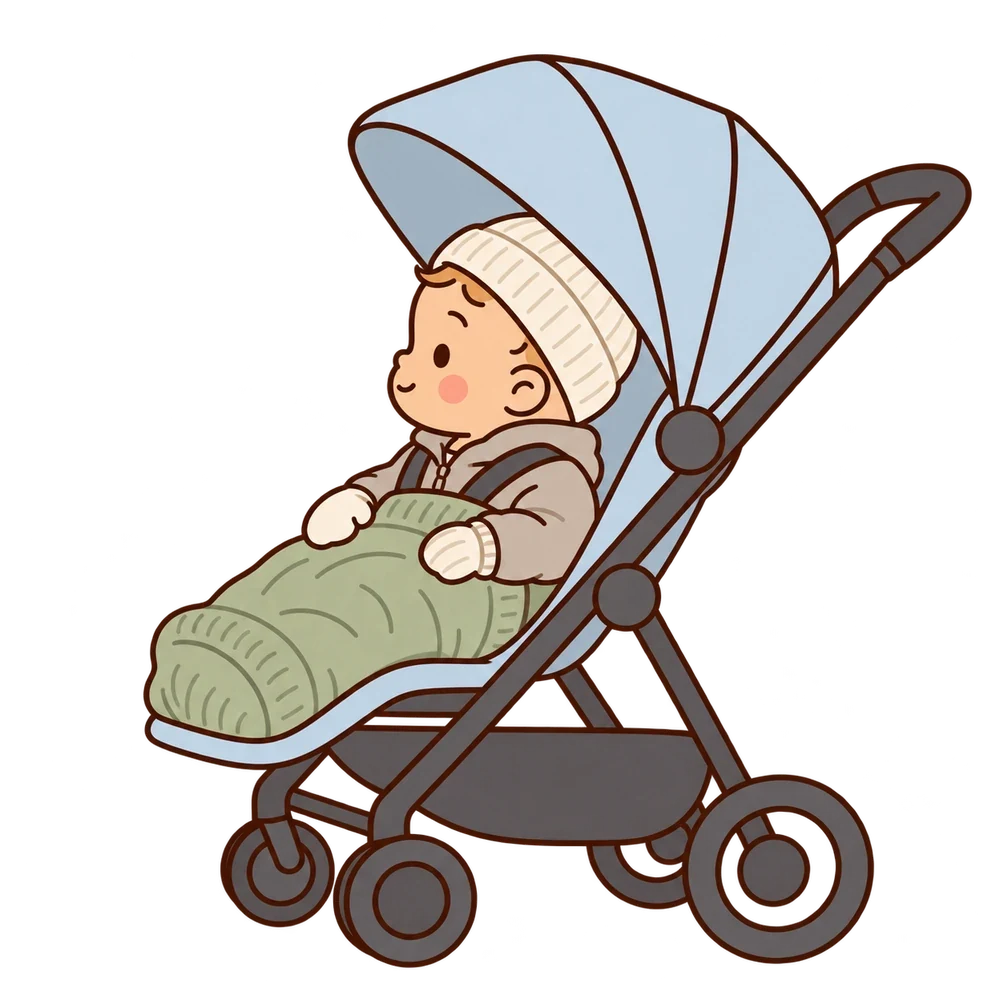
Blanket over the legs
Awake and looking around, your baby wears the outfit from the table. The blanket covers the legs and feet, tucked under the arms and in along the sides.
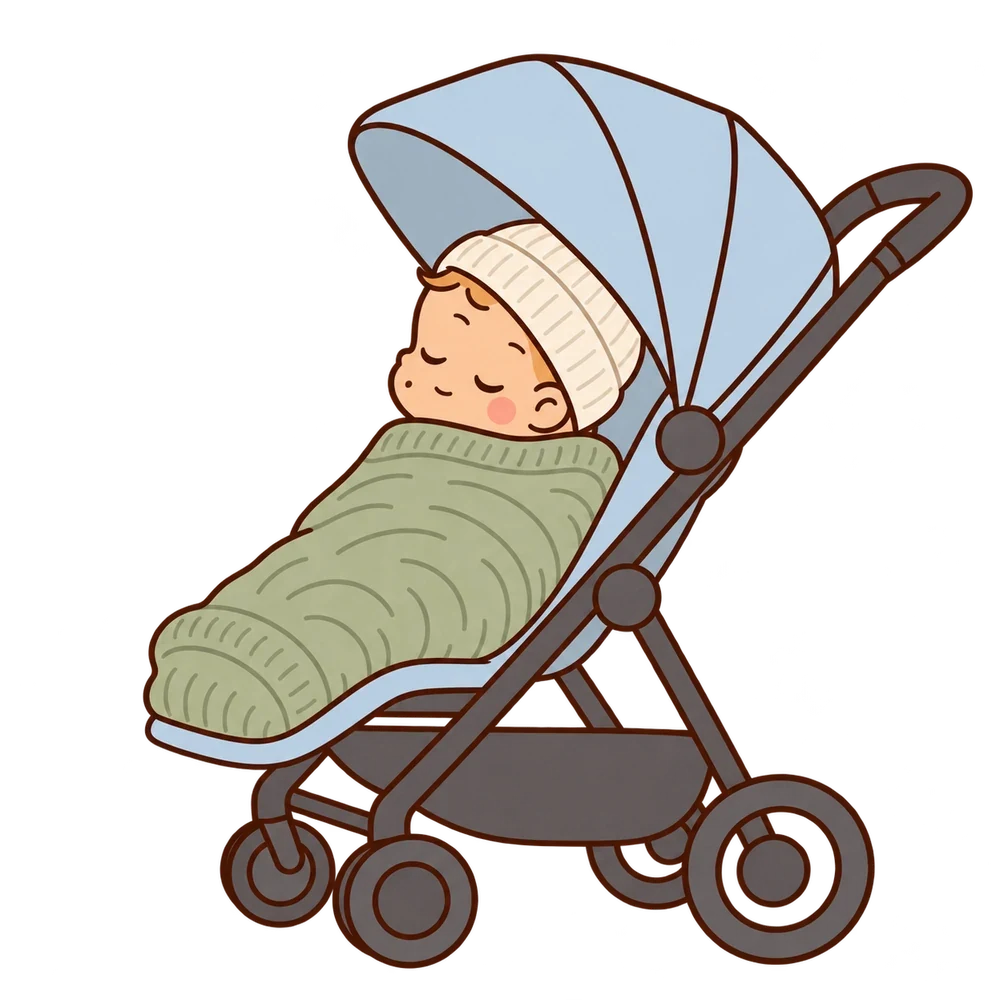
Tucked in to the shoulders
Asleep, your baby stops kicking and lies still. The same blanket comes up to the shoulders and gets tucked in along the seat. The hat stays on outside.
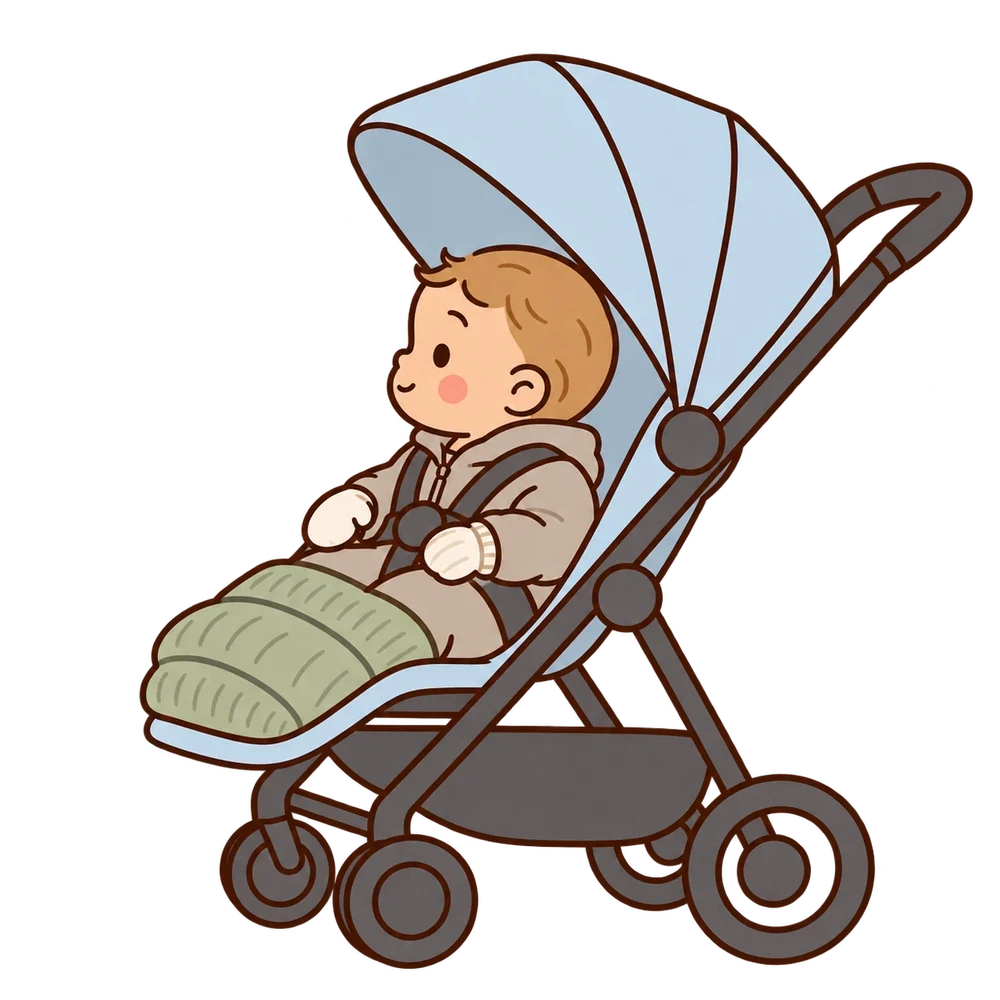
Blanket down, hat off
Through the shop door, the blanket folds down to the shins and the hat comes off, even if your baby is asleep. Nothing under the jacket needs to change.
If your route takes you into a heated supermarket, café, or bus, adjust right away, even if your baby is sound asleep. An outfit built for chilly wind outside becomes sweltering indoors, and a footmuff unzips as fast as a blanket folds down. The hat comes off with it.
Ten minutes into the walk, and again at every stop, slip two fingers down the collar and feel the chest or the back of the neck. Warm and dry is right, and damp means the blanket comes down. Cool hands and feet say nothing in a stroller, because a body warms its middle first.
Winter walks: how to keep a baby warm in the stroller
In winter, two parts of your baby need the warmth. The top half sits out in the air and gets its fleece under the jacket, a hat and mittens, as the table shows. The legs sit still and get warm pants, booties over the socks, and a stroller blanket on top. A footmuff is the coat for the legs and feet and reaches up to the chest. Warm socks are enough inside it, the fleece stays off until it is below 4°C (39°F), and a pram suit never goes in.
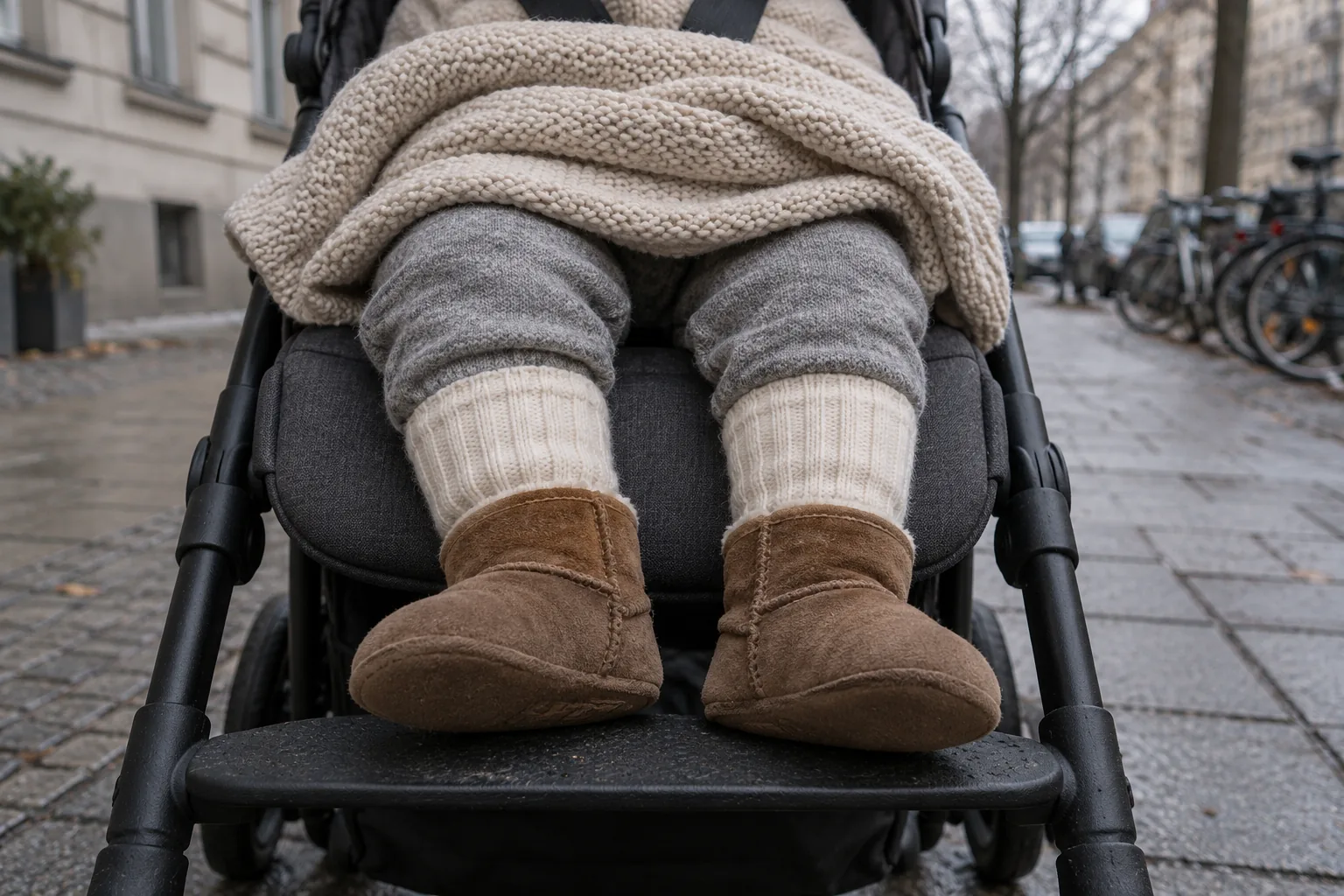
Wind is what makes a cold day bite, and a second sweater does nothing against it. A jacket with a smooth, closely woven outside does. The clear rain cover keeps rain off and nothing else. It comes off when the shower ends, and indoors, because under the plastic the seat warms up like a greenhouse.
Mittens end up in the mouth, and a wet mitten makes a hand colder than no mitten at all, so a dry pair rides in the bag.
Turn the shade when your route turns
Shade sits above the seat, never across its opening. Pull the canopy out as far as it goes, and clip on a parasol when the sun comes in low under it. A muslin pegged across the front feels like shade, but it stops the air, and the seat heats up fast.
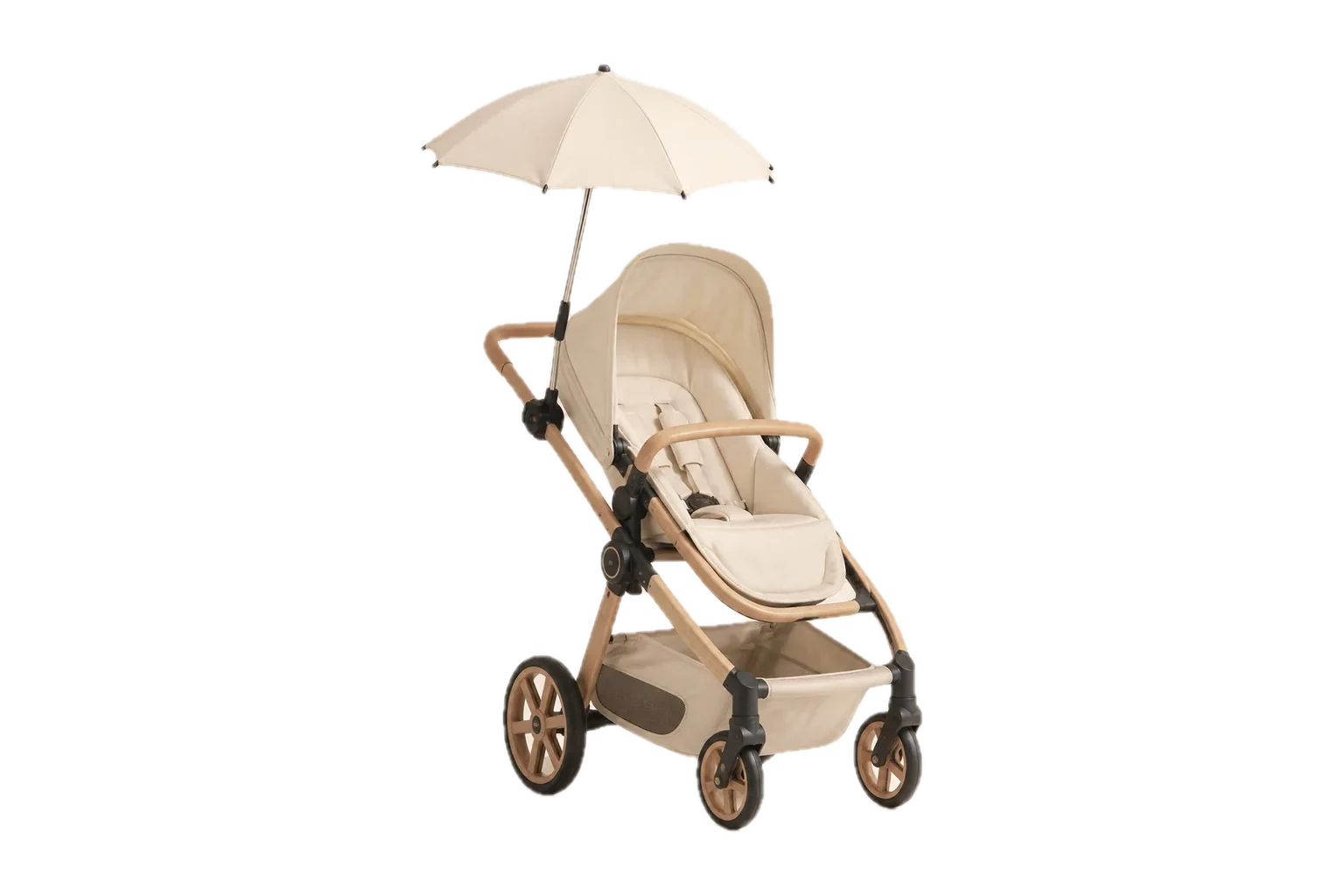
Sun angles shift every time you turn a corner. An extendable canopy or clip-on parasol only works while it sits directly between the sun and your baby. When your walking path changes direction, glance down into the seat and pivot the shade so direct sunlight stays off your baby's face and legs.
From UV 3, a sun hat and light long sleeves go on, and the outfit underneath stays as thin as the table says. Down at seat height, a hot day is hotter than it feels to you, so park in deep shade and keep the walk short.
Playground: the ground is wet or cold most of the year
Once your baby sits, the walk often ends in the sandbox, and there the ground changes the outfit more than the weather does. Sand holds water under its dry top, and a lawn stays damp for hours after rain. A sitting or crawling baby rests on it and moves little, so the knees and the seat soak through within minutes, and wet clothes pull the warmth out of a small body fast.
On wet ground, light rain pants go over the usual pants. At 4–11°C (39–52°F), a fleece-lined pair takes the place of the warm pants on every playground day, wet or dry, because the ground stays cold and damp all season. Below 4°C (39°F), wet sand and snow soak through knit mittens, so waterproof mittens go in the bag.

The clothes underneath stay clean for the rest of the day, and for the nap at daycare.
Stroller naps: one more cover, not more clothes
Dressed for the walk, your baby is dressed for the nap too. The cover changes, not the clothes: the blanket up to the shoulders and tucked under the sides, or the footmuff zipped up, and on a cold day that is still enough. The hat stays on for a nap outside and comes off for one indoors. In the heat the nap needs the opposite: nothing over the stroller, the sunshade above, and a hand on the chest when you stop.
Where your baby sleeps matters more than how long. In a carrycot approved for sleep, your baby can stay on the firm, flat mattress. If your baby falls asleep in a stroller seat, move your baby to a crib or bassinet as soon as you can. Either way, a sleeping baby in a stroller stays where you can see the face.
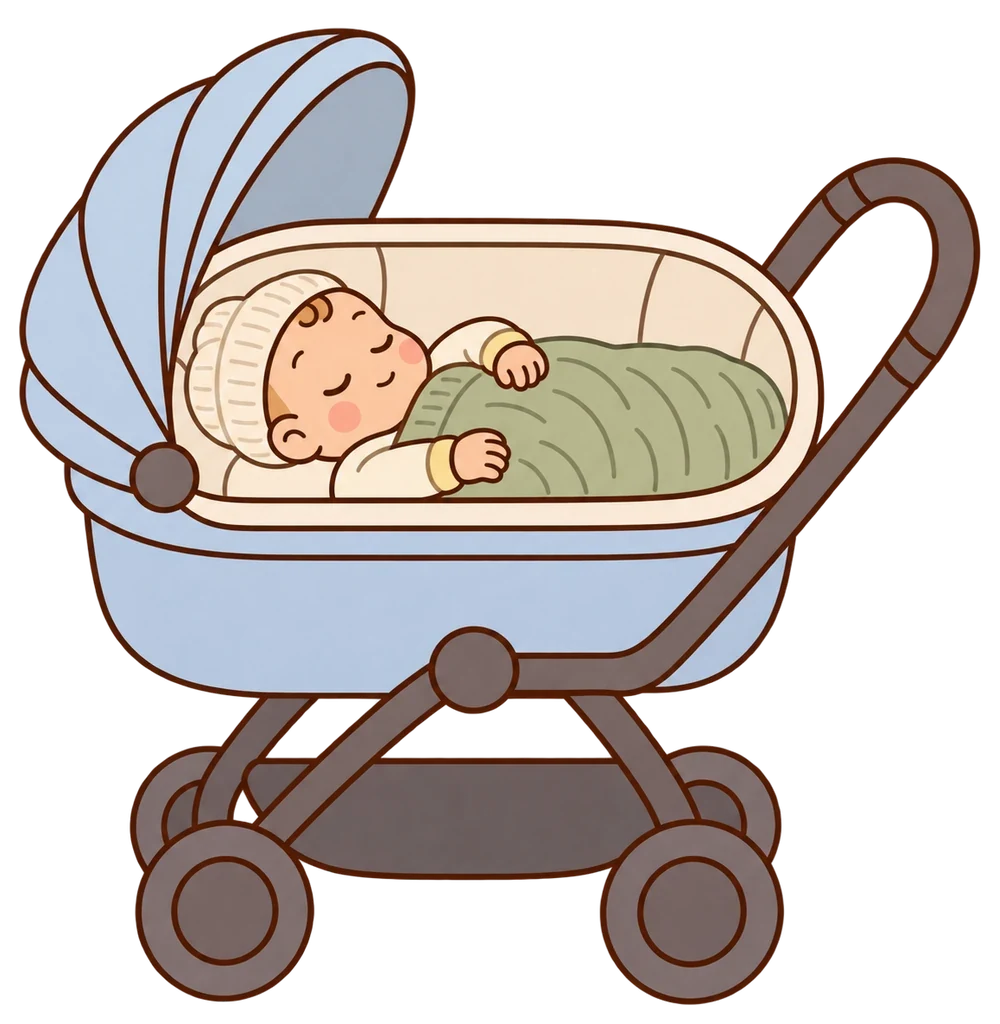
Good: Asleep lying flat
Flat on the back on the carrycot's firm mattress, the face clear of the blanket, just as in a crib.
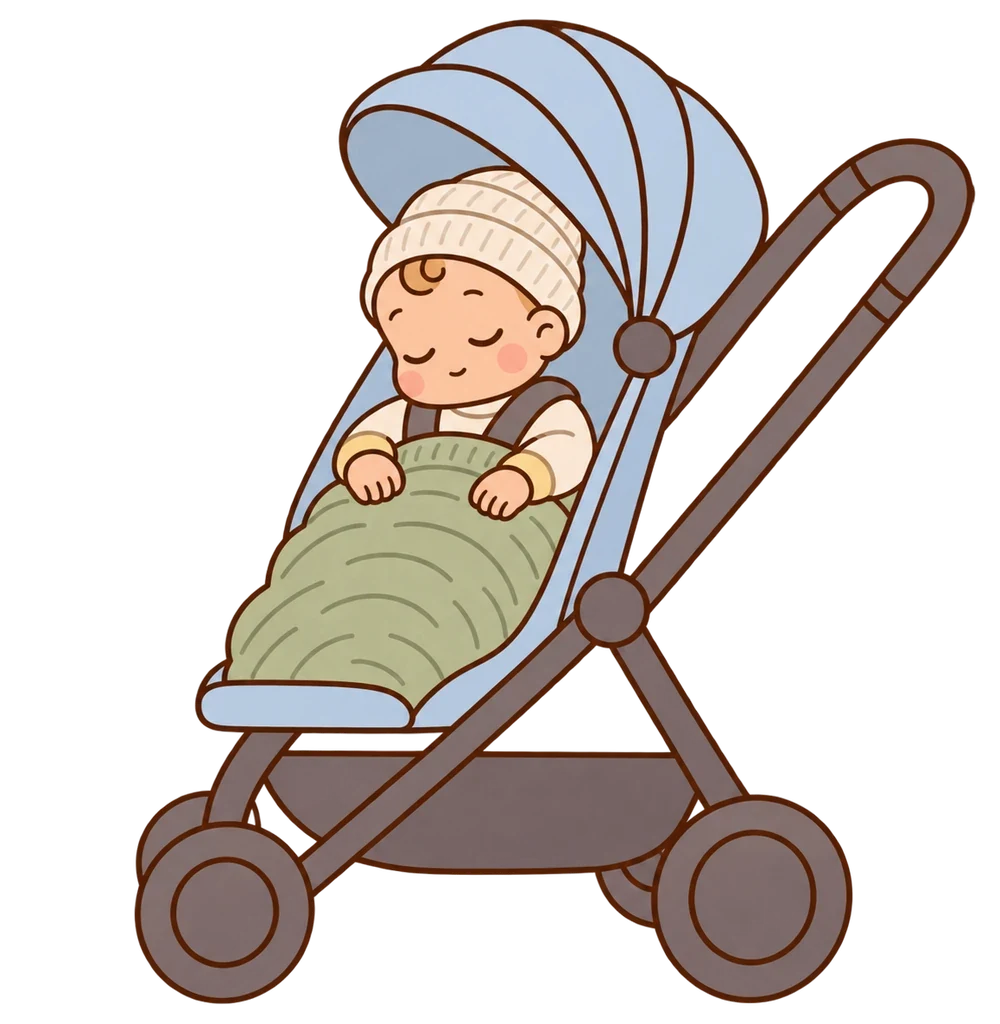
Not good: Asleep sitting up
Half upright, a sleeping baby slumps and the chin sinks toward the chest, which makes breathing harder.
Think about the walk home before leaving
Check the forecast for the hour you plan to walk back, and if it will be colder, pack the later layer in the basket. On a day that warms up, the jacket and the hat go into it as the sun gets going.
Questions parents ask
Can I take my newborn for a walk in the stroller?
Yes. A healthy baby born at term can go for a first walk in the first days at home. Keep it to a loop around the block, with your baby lying flat in the carrycot.
When can my baby sit up in the stroller seat?
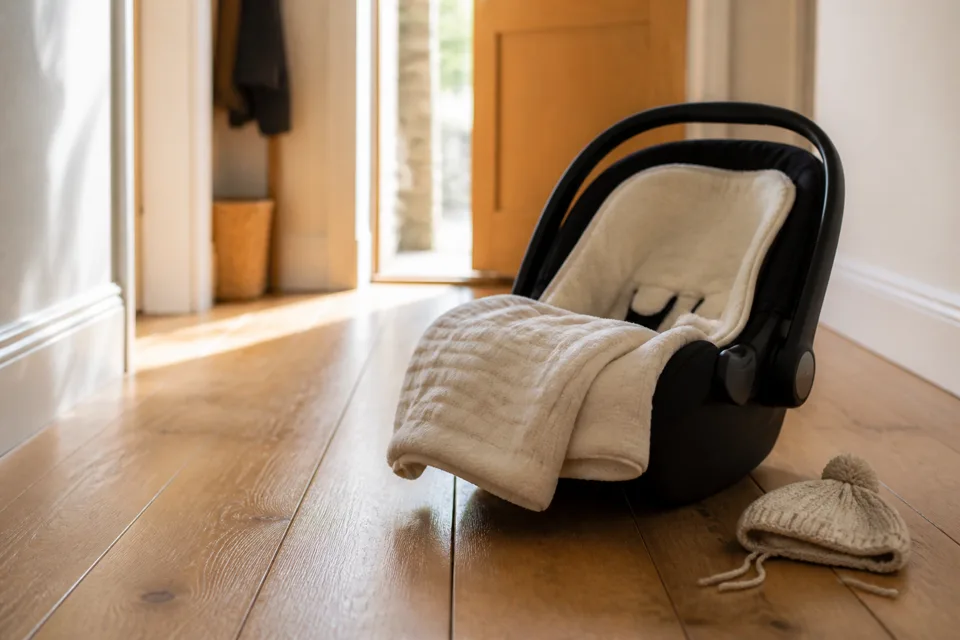
Once your baby can sit without help, usually around six months. Until then your baby lies flat, in the carrycot or in a seat that reclines all the way, because a young baby who slumps in a seat ends up chin on chest, and that makes breathing harder. The infant car seat clicks onto many strollers, but it is for the drive itself, not for the walk.
How cold is too cold, and how hot is too hot, for a stroller walk?
There is no fixed number at either end. Below 0°C (32°F) feels-like, keep to a short loop near home and look at the cheeks and fingers on the way. From about 32°C (90°F) feels-like, it is too hot for a long walk, so go early or late and keep it short. In between, your baby is fine for as long as the walk is fun for you both.
What should my baby wear under a footmuff?
A bodysuit, warm pants and warm socks, with no booties and never a pram suit inside it. The top half sits out in the open air, so it gets a warm jacket and a hat, mittens on colder days, and a fleece under the jacket below 4°C (39°F).
Is a footmuff better than a blanket in winter?
A footmuff stays fixed to the seat, so it cannot be kicked off into a puddle or into the wheels, and it zips open in a second at a shop door. A stroller blanket does the same job on milder days, tucked under the feet and in along the sides. Which one to buy is on the footmuff page.
Can my baby sleep in the stroller overnight?
Only in a carrycot that its maker approves for overnight sleep, on its own firm, flat mattress, with nothing soft added. The sides of a carrycot hold more heat than a crib, so feel the chest or the back of the neck before you go to bed yourself. The seat, and a car seat clicked onto the frame, are for the trip only.
Does my baby need shoes in the stroller?
No. A baby who stays in the stroller has no use for hard-soled shoes. Stiff shoes add bulk, fall off easily, and get lost under footmuffs. Soft booties or warm knit socks keep stationary toes warm and stay on without fighting the harness.
Should I pull the canopy down in cold wind?
Extend it to block a direct headwind, but keep the front open enough to see your baby's face. A stroller needs air moving past the seat even on a cold day.
When does my baby need a hat in the stroller?
Below 12°C (54°F), a knit hat; below 8°C (46°F), a warm hat that covers the ears. Outside only: which hat suits which weather, and why it comes off indoors, is on the hats page.
How can I tell if my baby is too cold in the stroller?
Feel the chest or the back of the neck. Warm and dry is right. A cool chest and a pale face mean a layer or the blanket goes on, whatever the hands say.
Is the carrier warmer than the stroller in winter?
Yes. In a carrier your body warms your baby's chest, so the clothes inside stay thinner, and only the legs, feet and head need extra. In the stroller, your baby has nothing but the clothes, which is why the table here has one layer more than the carrier's.