
What this is about
When your baby feels like a small radiator, getting them dressed feels high-stakes. The old advice from relatives says to wrap them up warm and sweat it out. Modern advice says never let a baby overheat. You end up torn between piling blankets on or stripping them bare. The middle path is much simpler: one light layer so their body can shed heat, and no cold shocks.
Clothes are for comfort, not treatment
Clothes do not cure an infection. Their only job during a fever is to keep your baby comfortable while excess heat radiates away. The old instinct to bundle a sick child under thick blankets to 'sweat it out' is dangerous for babies. Babies cannot regulate their body temperature the way adults do. Thick fleeces, hats and heavy swaddles trap body heat and push the internal temperature higher.
Stripping your baby completely bare or sponging them with cold water backfires just as badly. Cold air or cool water on hot skin causes shivering. Shivering is the body's way of generating more heat, which drives the internal temperature back up and leaves your baby distressed. Put them in one light, breathable cotton layer. If that layer gets damp with sweat, swap it for a clean, dry one.
 Yes
YesKeep the outfit light
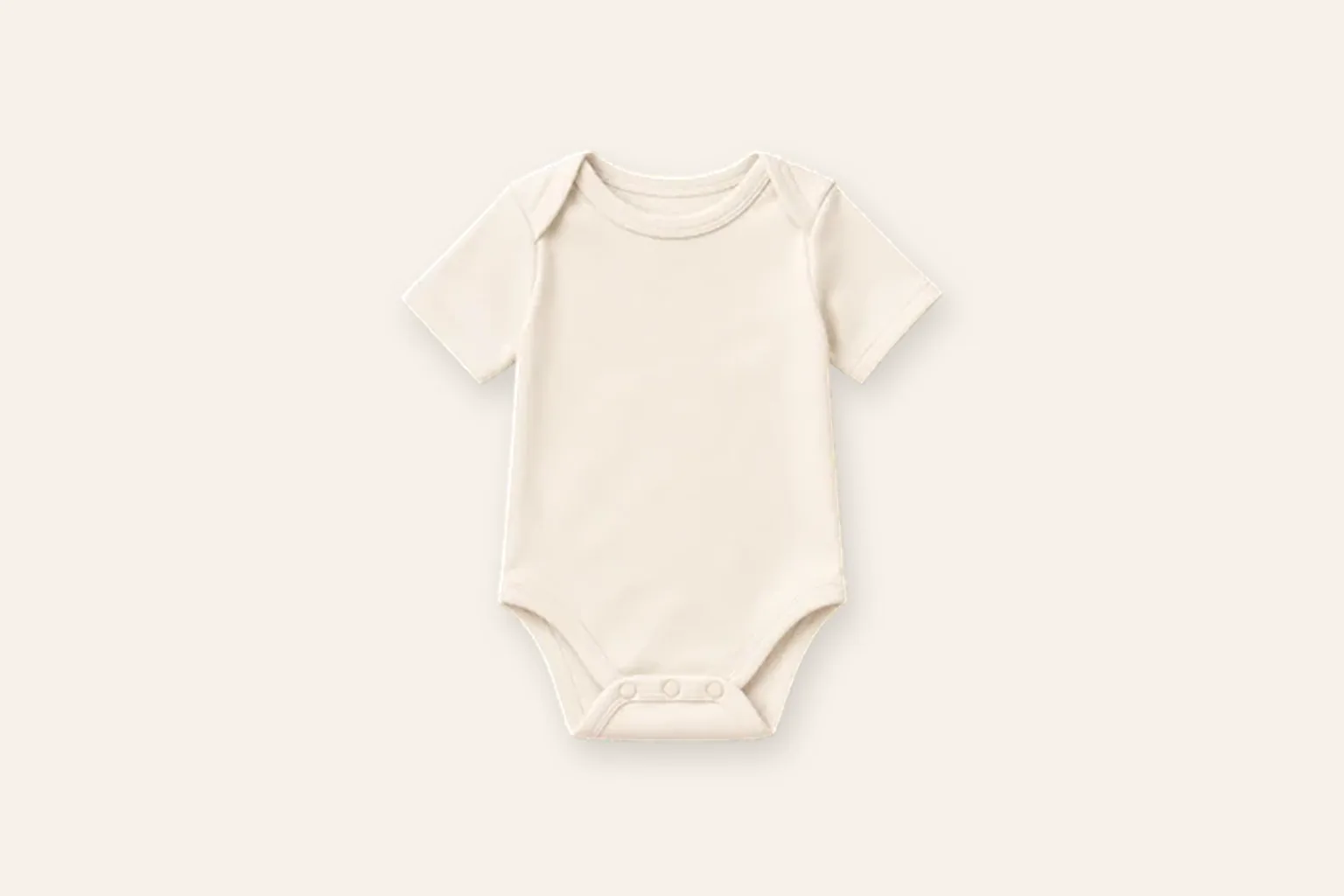
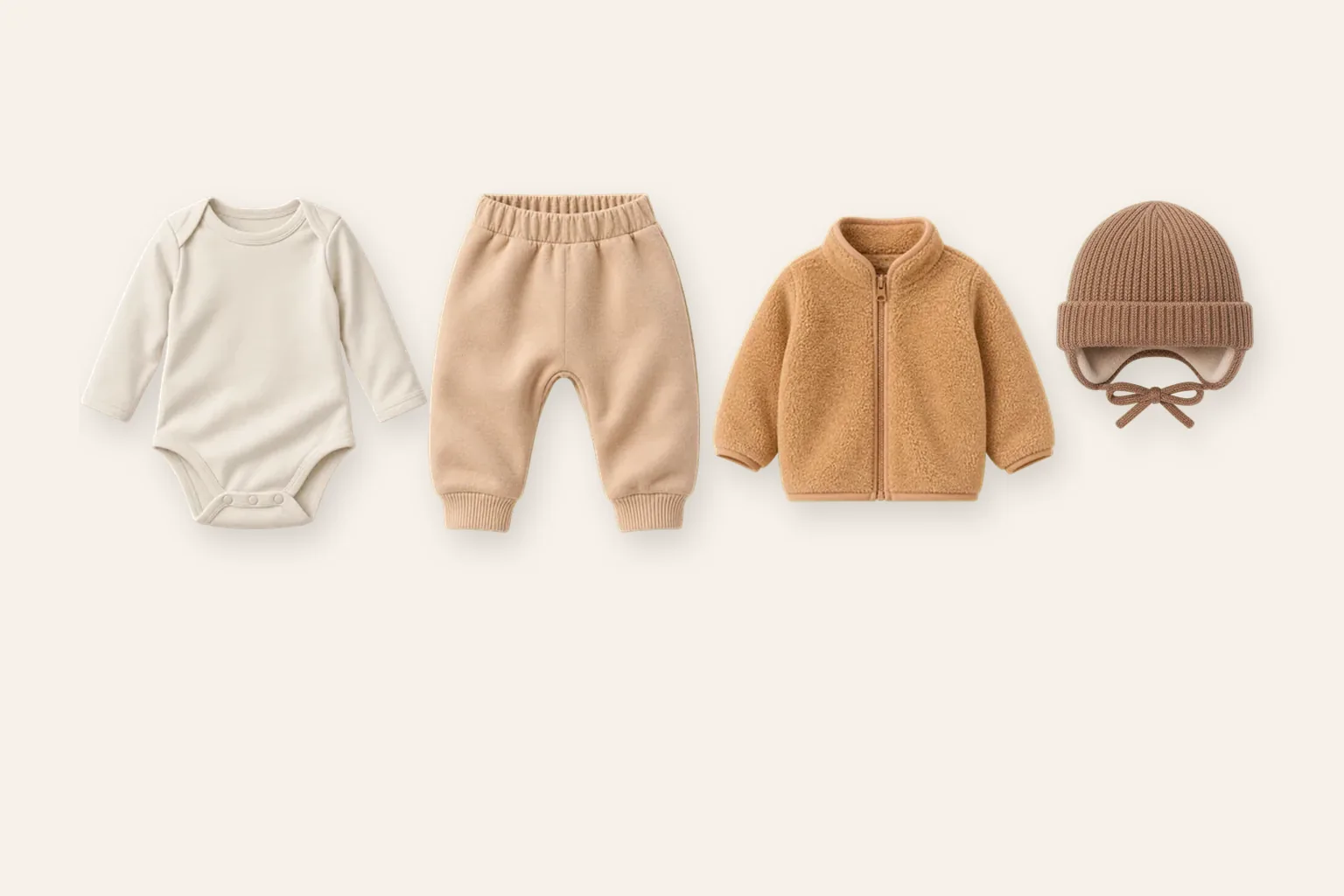
One loose cotton bodysuit is usually enough in a normal room.
 No
NoDo not bundle up
Warm layers and extra bedding can trap heat. They do not treat the fever.
Touch checks comfort. A thermometer checks fever
During a fever spike, your baby's body pulls blood inward toward the core. That often leaves hands and feet feeling icy cold while the chest and head are burning hot. Do not let cold toes trick you into adding socks or blankets. Slide your hand inside the neckline and feel the back of the neck or chest. If that skin feels hot or damp, your baby is plenty warm.
A hand on the skin checks clothing comfort, but you cannot use touch to make medical decisions. Forehead kisses and palm checks are notoriously misleading. Use a simple digital stick thermometer placed high in the armpit. Hold your baby's arm gently against their side until the beep confirms the reading. If your baby was just crying hard or wrapped in a blanket, wait five minutes before checking.
Write the numbers down with the time, either on paper or in your phone. In the middle of the night, 38.4° at 1:00 AM blurs into 39.1° at 4:00 AM. Having an accurate log helps you see whether the fever is responding to medicine, and it gives the doctor clear facts if you need to call.
Keep offering feeds
A fever burns through fluids quickly. Between faster breathing and sweating, sick babies lose water at a rapid pace. Dehydration can become a bigger concern than the fever itself. Keep offering regular breastfeeds or formula bottles. A baby with a fever might not want a full feed at once, so offer smaller amounts more often.
Track wet diapers closely. Fewer wet diapers, crying without tears, or a dry diaper after several hours are warning signs that your baby needs more fluid. If your baby repeatedly refuses feeds or shows signs of dehydration, call NHS 111 or your doctor for advice.
Bedtime does not call for extra warmth
Nighttime is when fever anxiety peaks, but safe sleep rules do not change for illness. Always keep the head uncovered. Babies release heat mainly through their head and face, so never put a hat on a sleeping baby indoors. A hat traps heat and creates a genuine risk of overheating.
Use the sleep chart to choose a bodysuit or sleepsuit and bag for the bedroom temperature. Fever alone does not mean swapping a 2.5 TOG bag for a 0.5 TOG one. When the fever breaks during the night, your baby may sweat heavily. Keep a spare dry bodysuit by the crib so you can do a quick change if their clothes get soaked.
Age and illness signs decide what happens next
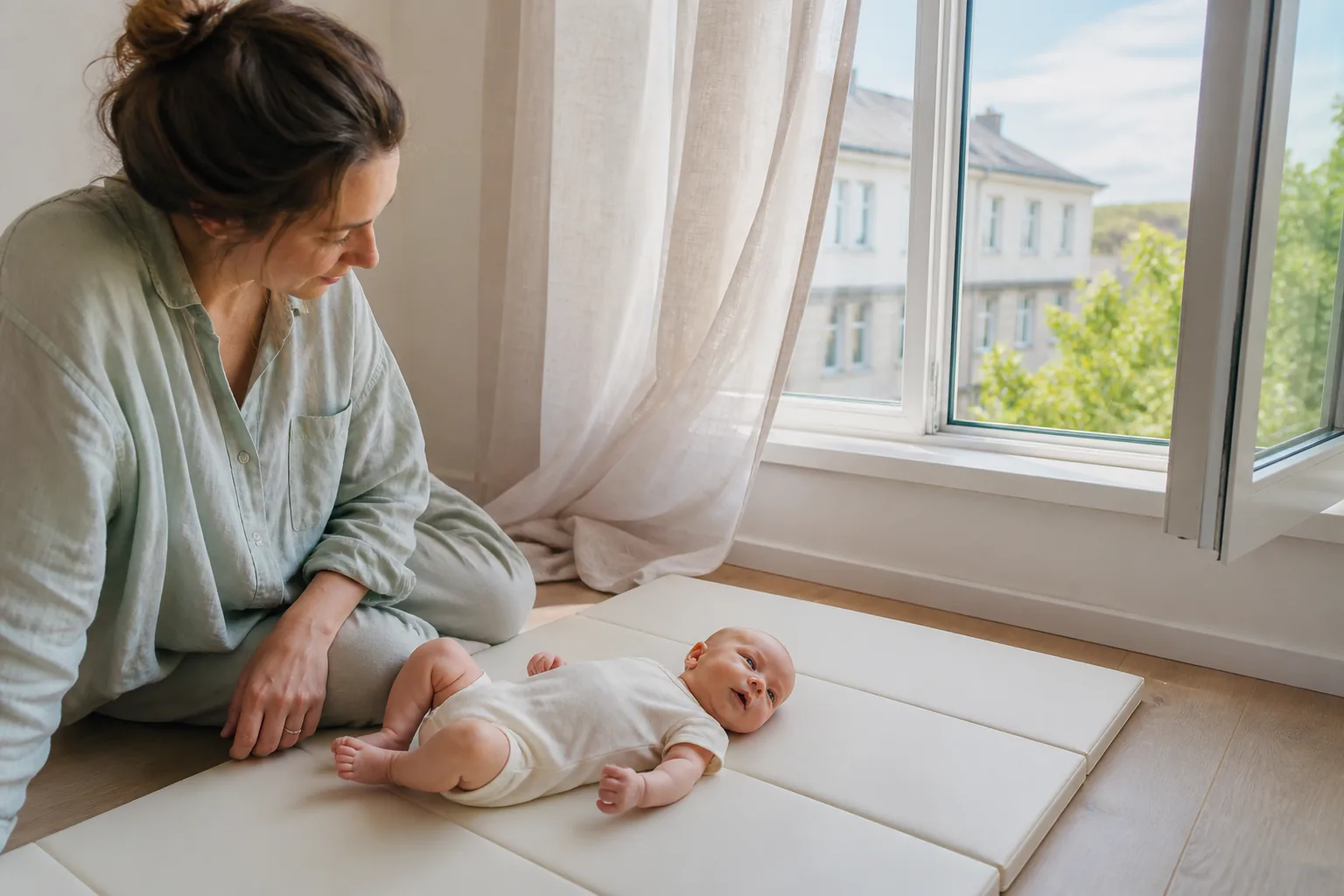
Once your baby is in a light layer and resting, stop focusing on the clothes. The outfit is settled. What matters now is how your baby looks and behaves. A high reading on a thermometer does not tell the whole story on its own. A baby who has a mild temperature but cannot be woken or struggles to breathe needs urgent care, while a baby with a higher fever who still makes eye contact and drinks milk is in a very different position.
Age is the critical factor. In a baby under 3 months old, any temperature of 38° or higher requires immediate medical attention, regardless of how happy they seem. Use the checklist below to decide whether to call NHS 111 for advice, or call 999 and go straight to A&E.
Questions parents ask
My baby is shivering. Shouldn't I add a blanket?
No. Shivering happens when the body's internal thermostat resets higher and blood pulls away from the skin. Adding blankets traps heat and spikes the core temperature higher. Keep the clothes light until the shivering passes.
Can my baby still use a sleep bag with a fever?
Yes. Choose the bag for the bedroom temperature using the sleep chart. A fever alone does not mean switching to 0.5 TOG.
Should I give a lukewarm or cool bath to bring the fever down?
No. Cool or lukewarm baths cause shivering, which raises internal body temperature and distresses a sick baby. Stick to light clothing, plenty of fluids, and age-appropriate fever medicine if recommended by a doctor.
When to call NHS 111 or get immediate help
Urgent advice: Call NHS 111 if:
- you are worried about any symptom or do not know what to do
- a high temperature appears with other signs of illness, such as a rash
- a high temperature lasts for 5 days or more
- your baby will not feed, is not responding as usual or you are worried about a change in behavior
- there are signs of dehydration, such as fewer wet diapers, sunken eyes or no tears when crying
Immediate action: Call 999 or go to A&E if a baby:
- is under 3 months old and has a temperature of 38° or higher
- is 3 to 6 months old and has a temperature of 39° or higher
- has swollen lips, tongue or throat, with trouble swallowing or making sounds
- is breathing very fast or has trouble breathing, with possible grunting or the stomach pulling inward under the ribs
- has blue, gray, pale or blotchy skin, lips or tongue; on brown or Black skin, these changes may be easier to see on the palms or soles
- has skin that feels unusually cold or damp (clammy), including unusually cold hands or feet
- has a stiff neck
- has a rash that does not fade when you press a glass against it
- is bothered by light
- has a temperature below 36°, feels cold to touch or is shivering
- has a weak, high-pitched or continuous cry, cannot be settled or seems confused
- has fainted, is difficult to wake or cannot be woken
- has not urinated or had a wet diaper in the past 12 hours
- has a seizure
- is not responding as usual or is not interested in feeding or normal activities
In the UK, call NHS 111 for urgent advice. Call 999 or go to A&E for the immediate-help signs. Outside the UK, use your local urgent medical or emergency number.