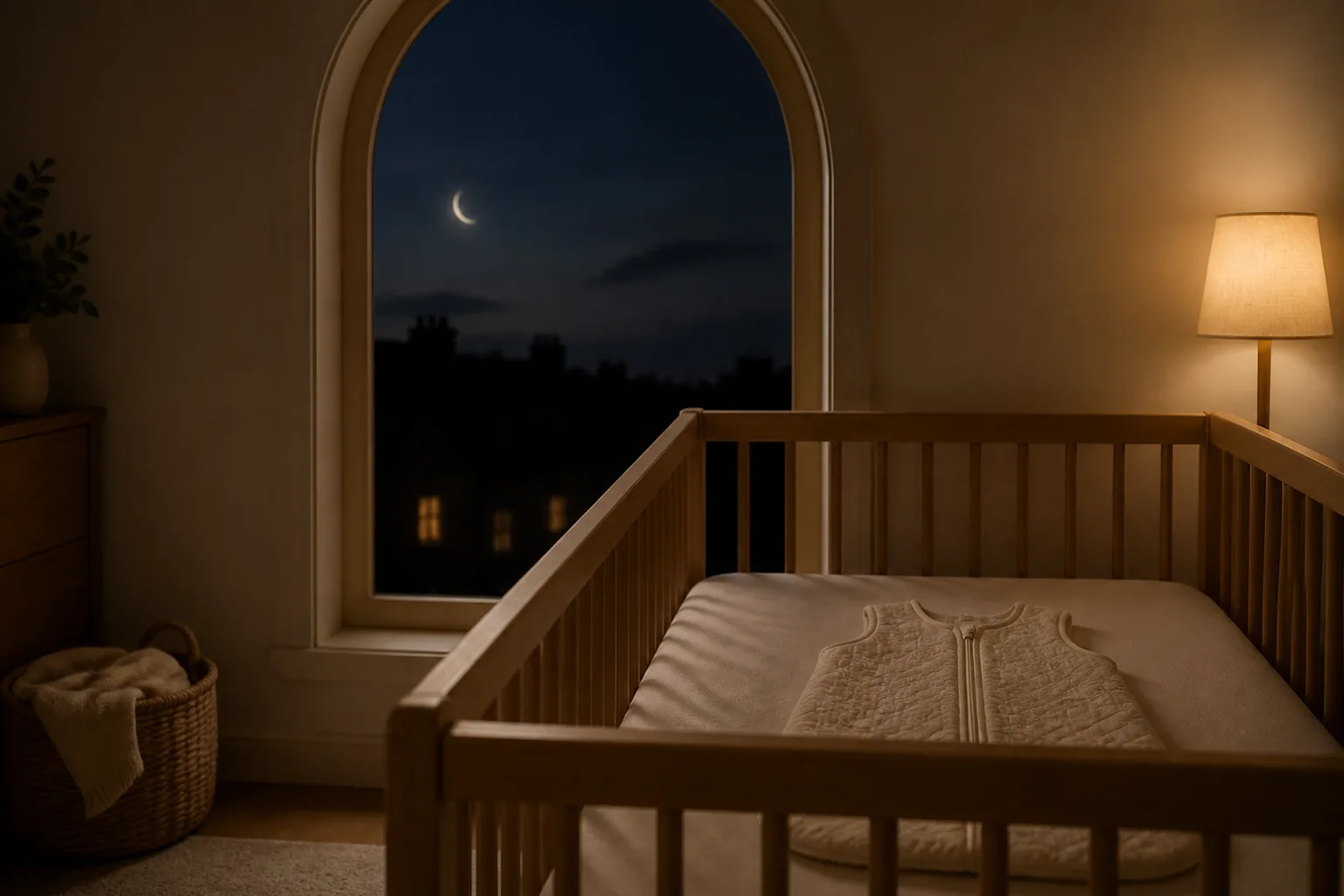
What this is about
Evening weather forecasts and hallway drafts can fool you. Outside it might be chilly and damp, while an upstairs bedroom is still holding onto afternoon heat. Or a drafty corner drops several degrees once the heating clicks off. The thermometer sitting right beside the crib is the only number that should decide bedtime clothes.
Read the thermometer near bedtime
The official safe-sleep range is 16–20°. Treat that as a helpful benchmark rather than a strict household rule you can fail. Most real bedrooms wander above or below it across the year. Place a small room thermometer close to the crib at mattress height, well away from radiators, sunny window ledges and exterior drafts.
Take your reading shortly before bedtime in the actual room where your baby sleeps. Bedrooms often cool down in the quiet hours before dawn. If your room reliably drops overnight, dress for the cooler baseline it settles into for most of the night, rather than reacting to a temporary evening warmth.
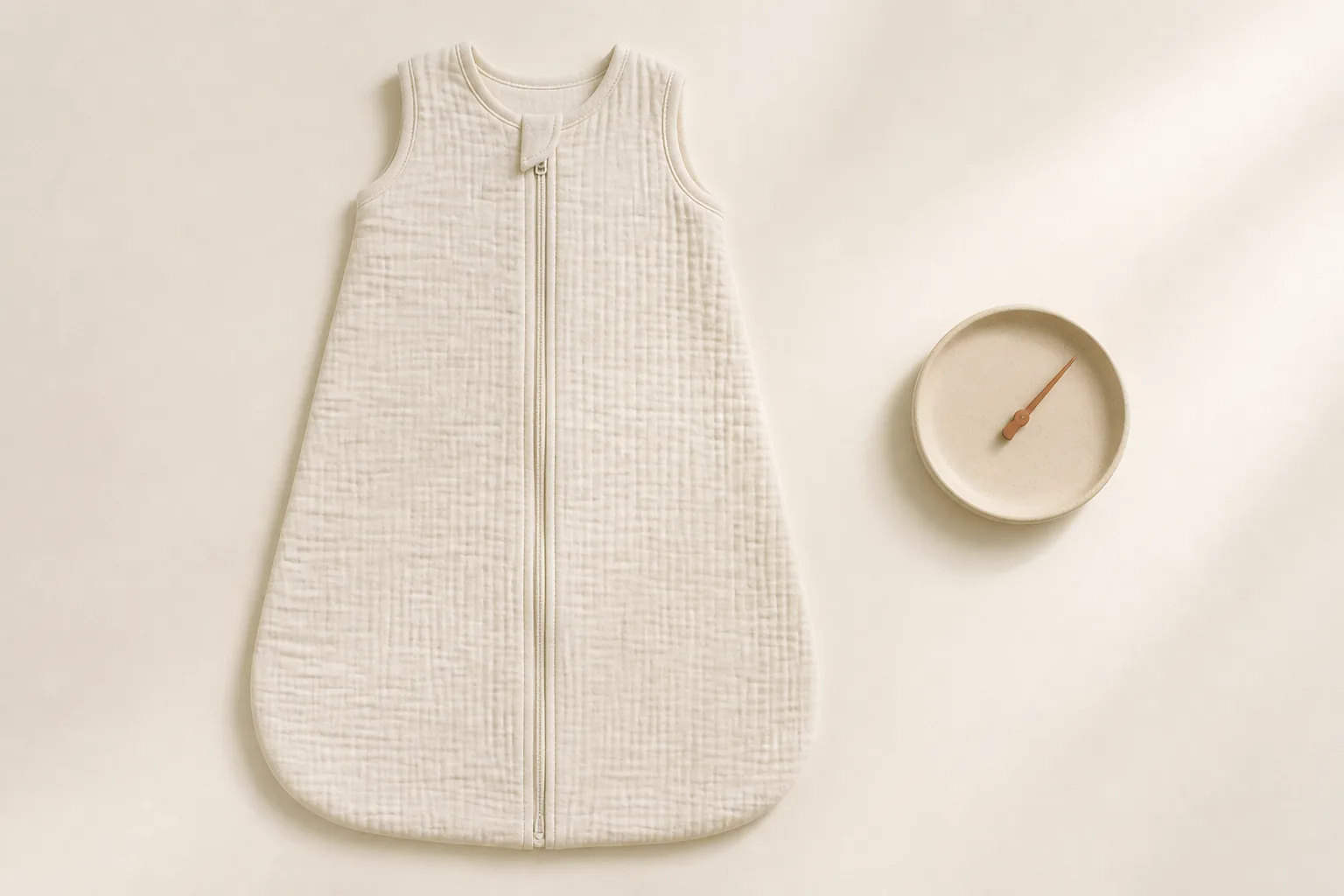
Three ways to dress for sleep
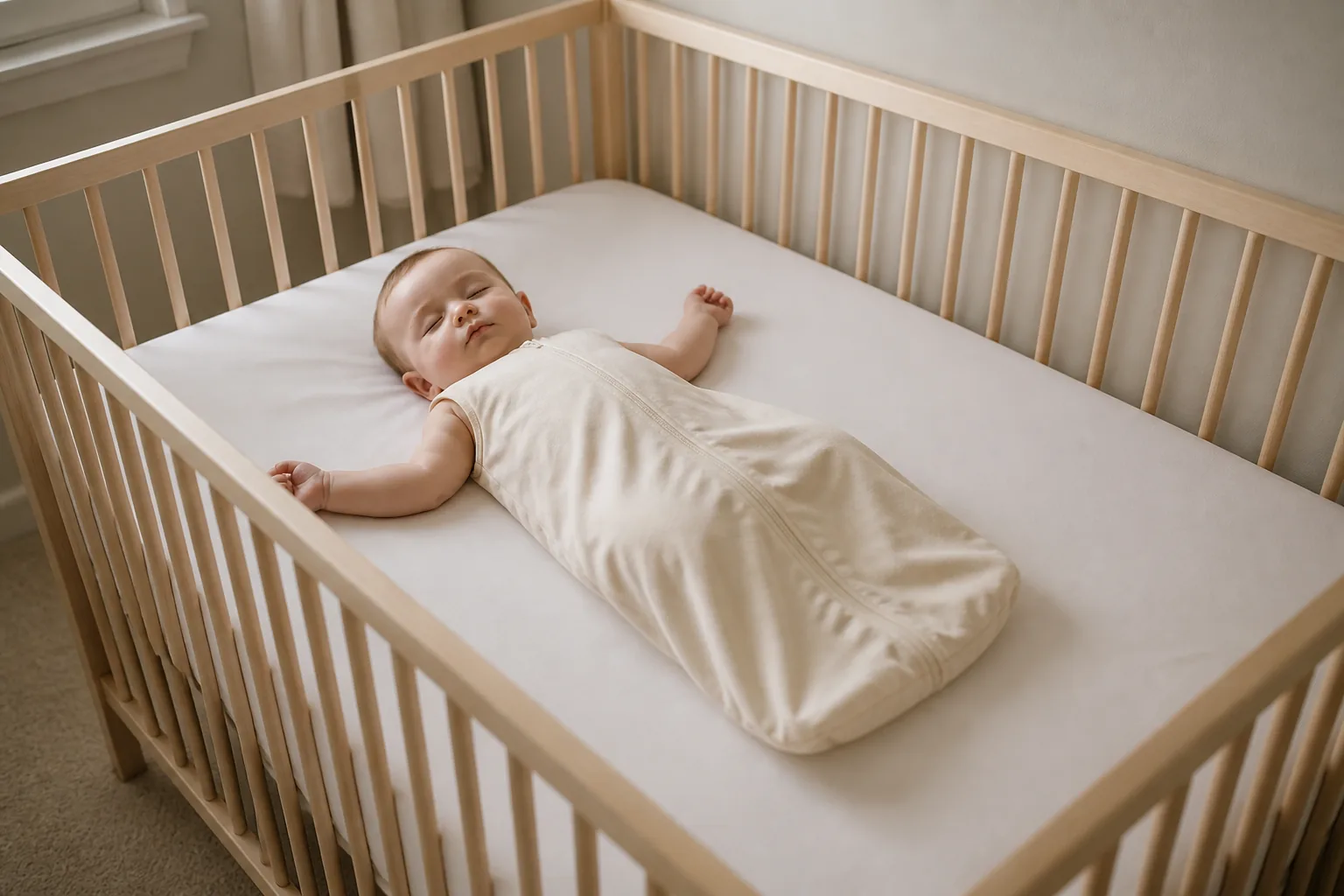
Pick one setup and stick to it. The most common bedtime mistake is stacking different systems together out of worry. A sleep bag is already a wearable blanket. A swaddle is a full wrap. Fitted sleepwear can manage the warmth alone. Choose one lane and adjust warmth using the layers underneath. Never put a swaddle inside a sleep bag, and never layer a loose blanket on top.
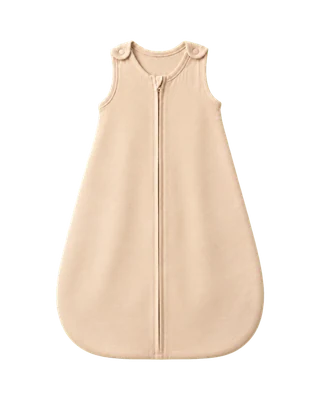
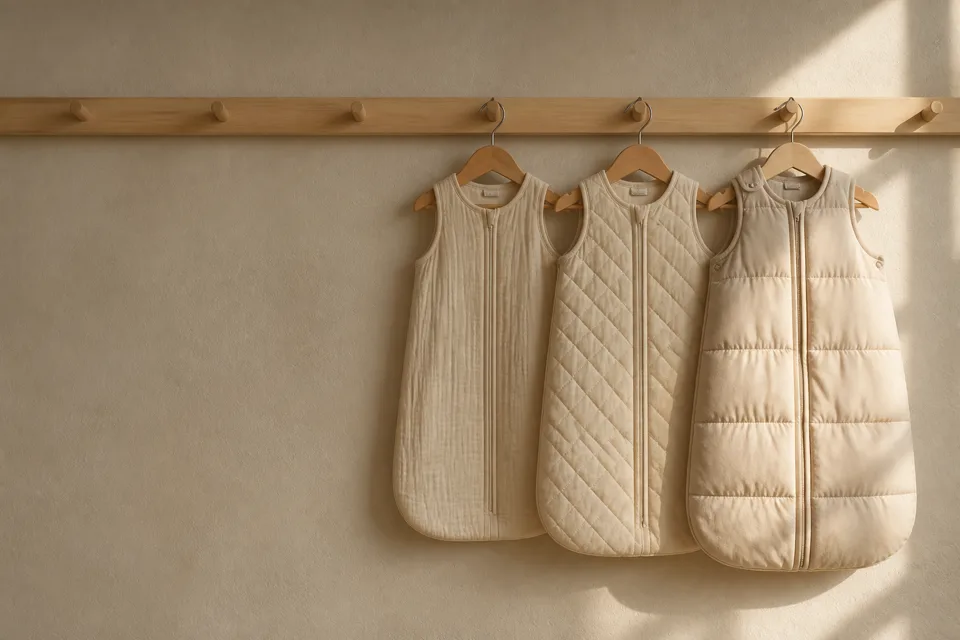
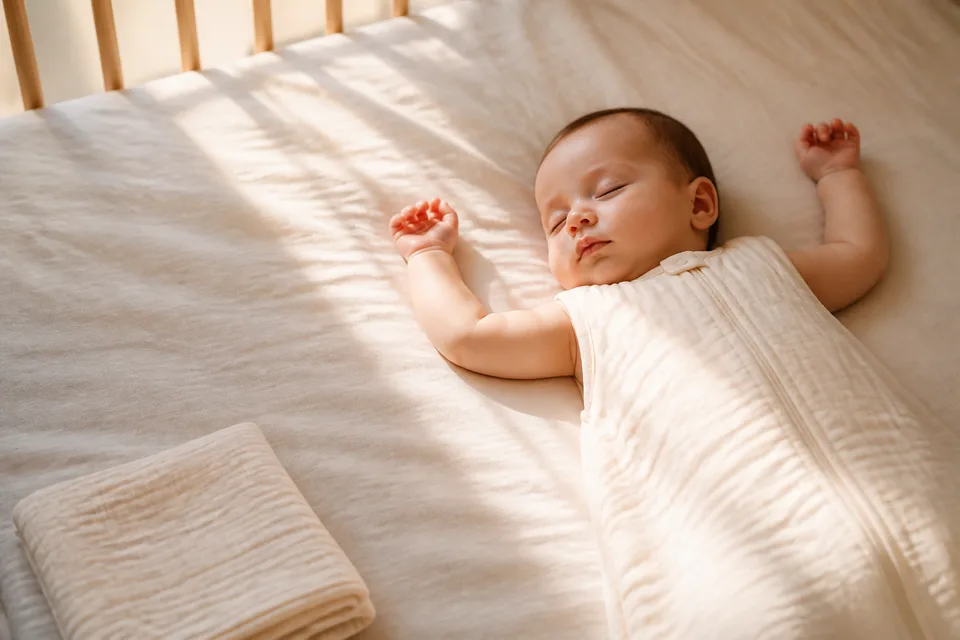
Sleep bag
Treat the bag and the clothes underneath as one outfit. Adjust the base layer to match the room.
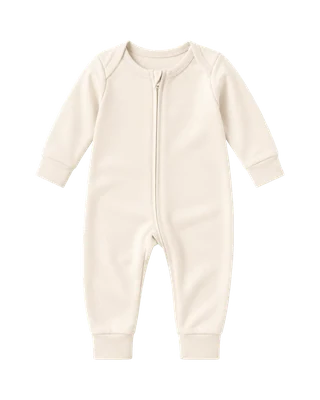
No sleep bag
Let fitted sleepwear provide the warmth on its own, with no loose covering in the bed.
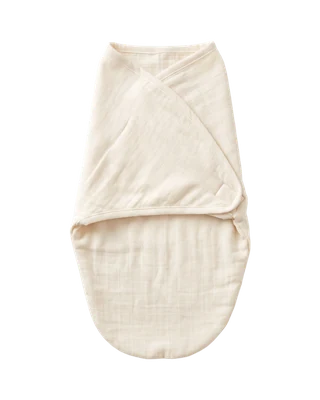
Swaddle
Use one lightweight wrap over a light base layer. Stop at the very first sign of rolling.
Choose the sleep bag and clothes together
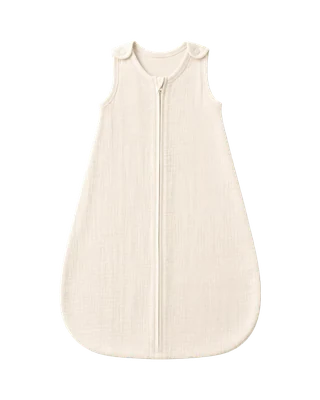
A sleep bag acts as the blanket, and the clothes underneath are the thermostat. A TOG rating measures how much warmth the bag holds on its own. The standard guidelines suggest 2.5 TOG for 16–20°, 1.0 TOG for 20–24°, and 0.5 TOG for 24–27°. But the bag works as a team with whatever touches your baby's skin.
The table below shows dependable starting combinations. Always treat the printed guide on your sleep bag packaging as the primary source. If the manufacturer recommends a slightly different pairing for your exact bag, trust their chart.
28° and warmer
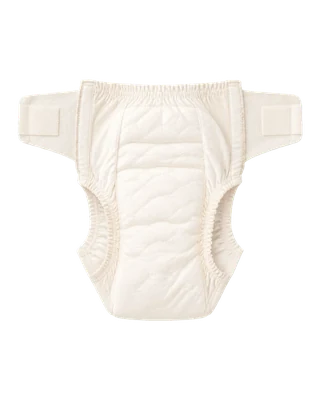
diaper
No sleep bag.
24–27°
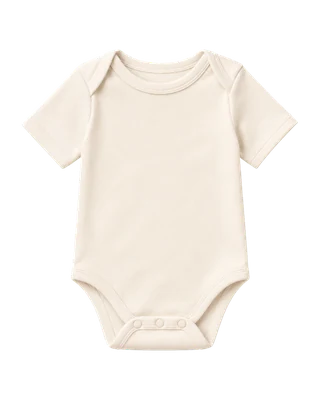
short-sleeve bodysuit, sleep bag (0.5 TOG)
22–23°
short-sleeve bodysuit, sleep bag (1.0 TOG)
20–21°
long-sleeve bodysuit, sleep bag (1.0 TOG)
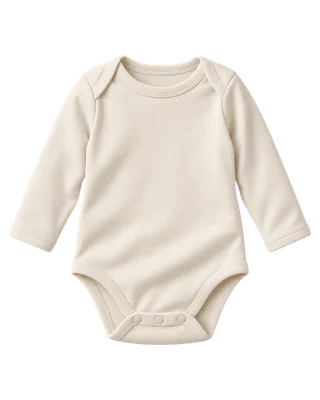
18–19°
long-sleeve bodysuit, sleep bag (2.5 TOG)
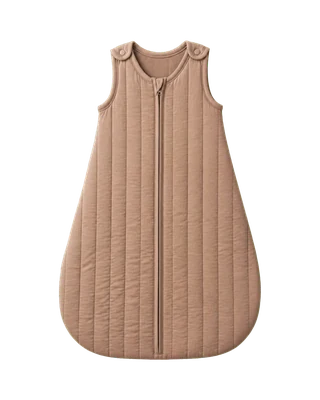
17° and colder
sleepsuit, sleep bag (2.5 TOG)
In rooms at 28° or warmer, take the bag off entirely and stick to a bare diaper. In a chilly room, move up to a warmer bag rather than stuffing bulky fleece suits inside a light one. A sleep bag should always fit comfortably around the chest without feeling tight or bunched.
Fitted sleepwear can do the warming
If you do not use a sleep bag, fitted clothes can carry the entire warmth requirement. To adult eyes used to heavy duvets, a baby sleeping in just a cotton sleepsuit can look unprotected. Resist the instinct to fill the empty crib with a blanket. Snug, breathable layers keep body heat close to the skin without loose fabric shifting over the face.
28° and warmer
diaper
24–27°
short-sleeve bodysuit
22–23°
sleepsuit
20–21°
long-sleeve bodysuit, sleepsuit
18–19°
long-sleeve bodysuit, quilted sleepsuit
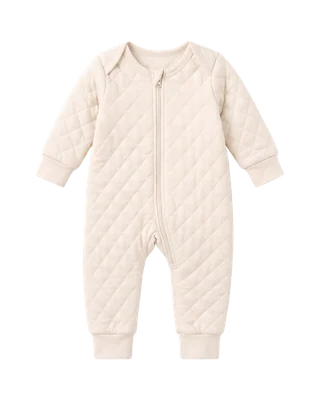
17° and colder
long-sleeve bodysuit, warm socks, quilted sleepsuit
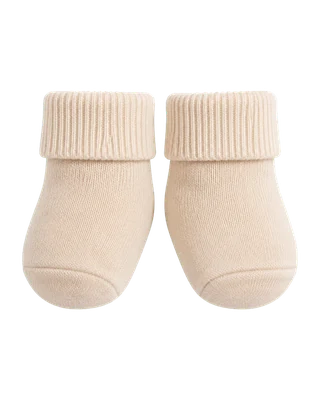
For rooms between 22–23°, a single long-sleeve cotton sleepsuit is usually all your baby needs. In colder spaces, layer a short-sleeve bodysuit underneath. Once the room hits 28° or higher, a diaper on its own keeps your baby cool and safe.
A swaddle is a temporary sleep covering
A thin swaddle looks light, but wrapped fabric traps body heat quickly. Keep the layers underneath very simple, usually just a light bodysuit or diaper depending on the room. Never place a sleep bag, duvet, or blanket over a swaddled baby.
28° and warmer
diaper
No swaddle.
24–27°
diaper, swaddle
22–23°
short-sleeve bodysuit, swaddle
20–21°
long-sleeve bodysuit, swaddle
18–19°
sleepsuit, swaddle
17° and colder
sleepsuit, swaddle
At 28° and above, skip the swaddle entirely. More importantly, swaddling has a strict safety expiration. Start watching for rolling attempts from 2 months. The moment your baby begins wriggling or attempting to roll, swaddling ends that very night. Free arms are vital so babies can reposition their heads. Our swaddling guide explains the transition to arms-free sleepwear.
The crib does not need finishing touches
For the first 12 months, keep all loose blankets, pillows, and crib bumpers out of the bed. After the first birthday, a light blanket tucked firmly below the armpits can be introduced if a cold room calls for it, though a sleep bag remains simpler. The head stays clear at every age.
Rooms outside the recommended range
Summer heatwaves and winter cold snaps will push bedrooms well beyond the ideal range. When the room sits at 28° or warmer, put your baby down in just a diaper. Many parents feel strange putting a baby to sleep without clothes, but overheating carries real risks, while sleeping in a diaper in warm air is completely safe.
Cool the room before bedtime whenever possible. Close curtains or blinds during the day to block direct sunlight. Open interior doors or windows when the outside air is cooler. An electric fan helps move stale, warm air, but keep the airflow pointed away from the crib and ensure cords are well out of reach.
When temperatures plunge below 16°, keep the room as warm as safely possible without placing the crib beside a radiator or heater. Move up to a heavier sleep bag or add a warm base layer underneath. Never put a beanie or hat on a baby for indoor sleep. Babies rely on their bare heads to shed excess body heat, even in a cold room.
A comfortable torso confirms the setup
The thermometer decides the outfit at bedtime, but your baby's skin tells you how it is actually working. Slide two fingers onto your baby's chest or the back of the neck under the collar. Warm and dry skin means the outfit is working well. If the skin feels hot, damp, or sweaty, remove a layer or switch to a lighter bag. If the chest feels cool, add a fitted layer.
Do not judge temperature by hands or feet. Immature infant circulation prioritizes the heart and vital organs, so tiny fingers and toes naturally feel cool to the touch. Panicking over cool hands at 2:00 AM is the number one reason parents accidentally over-dress their babies. Trust the torso reading instead. Our baby comfort guide explains the check in detail.
Questions parents ask
Can I add a blanket over a sleep bag?
Not during the first 12 months. If the room feels cold, change the base layer underneath or switch to a higher TOG bag. A loose blanket over a bag can easily shift over a baby's face.
Should my baby wear a hat to sleep?
No. Never put a hat on a sleeping baby indoors. Babies regulate their temperature by releasing excess heat through their head and face. Covering the head raises the risk of overheating.
What if the room changes temperature overnight?
Dress for the temperature the room usually holds during the coldest early morning hours. If you wake up for a feed and notice a major room shift, check the chest or neck and make a quick single-layer adjustment.
Signs of overheating
- The chest or back of the neck feels hot or clammy.
- Sweaty neck, damp hair, or heat rash.
- Flushed cheeks or rapid, shallow breathing.
Remove a layer or switch to a lighter bag immediately, and air the room if possible. Call emergency services now if your baby is floppy or hard to wake. Contact your pediatrician if your baby otherwise seems unwell.