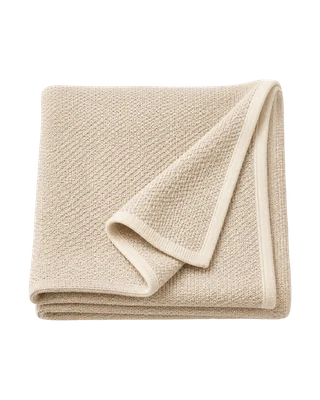
A baby blanket is a soft cover for home, from a thin receiving blanket to a light duvet for a toddler bed. In the first year it is mostly for the hours your baby is awake, and most families are given more than they can use.
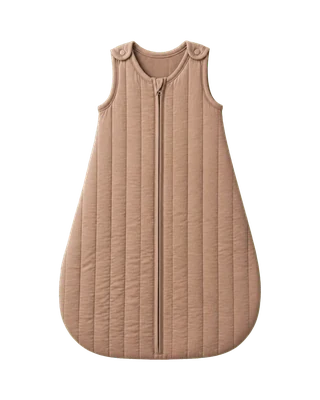
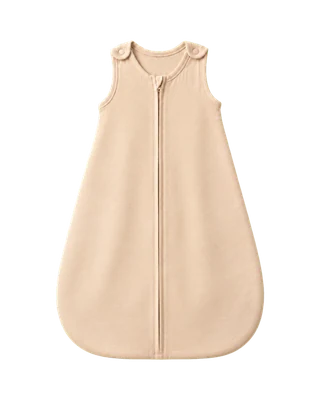
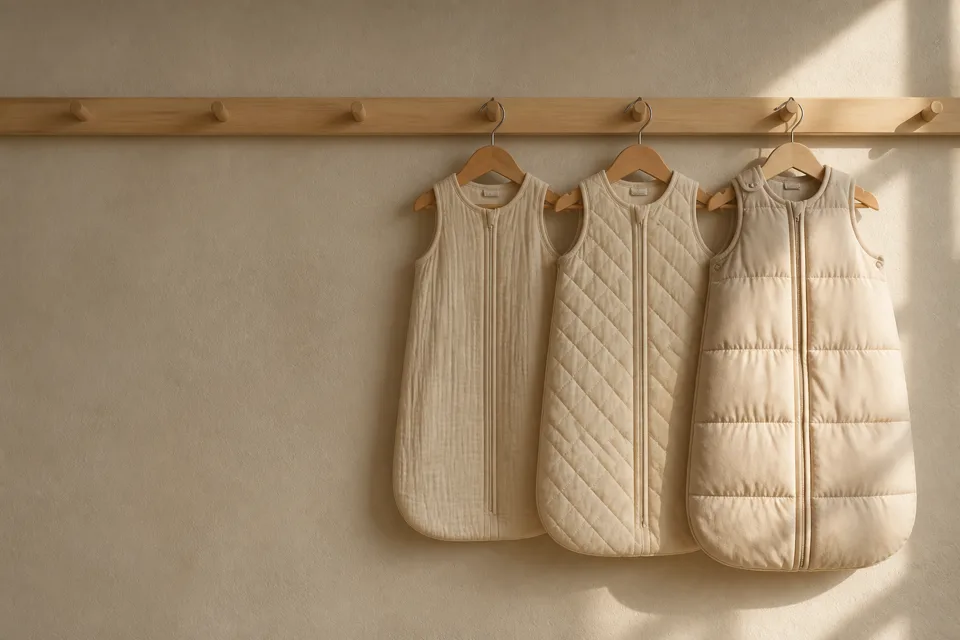
For sleep in the first year, a sleep bag keeps your baby warm with nothing loose in the crib, and a blanket can come into the crib from 12 months.
- For ages0–4years
- You'll need2–3
- Use itAll year
When can a baby sleep with a blanket?
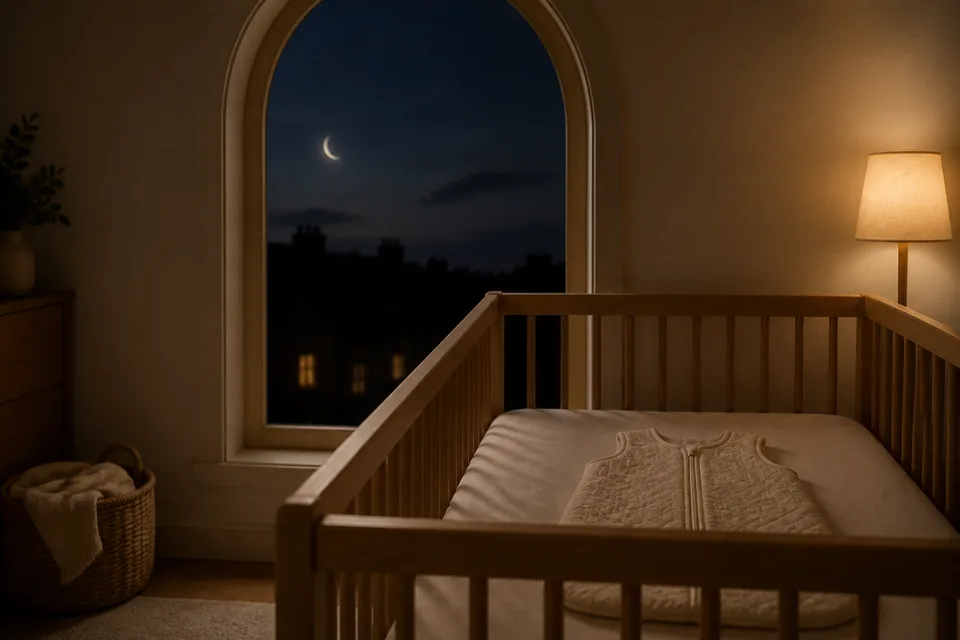
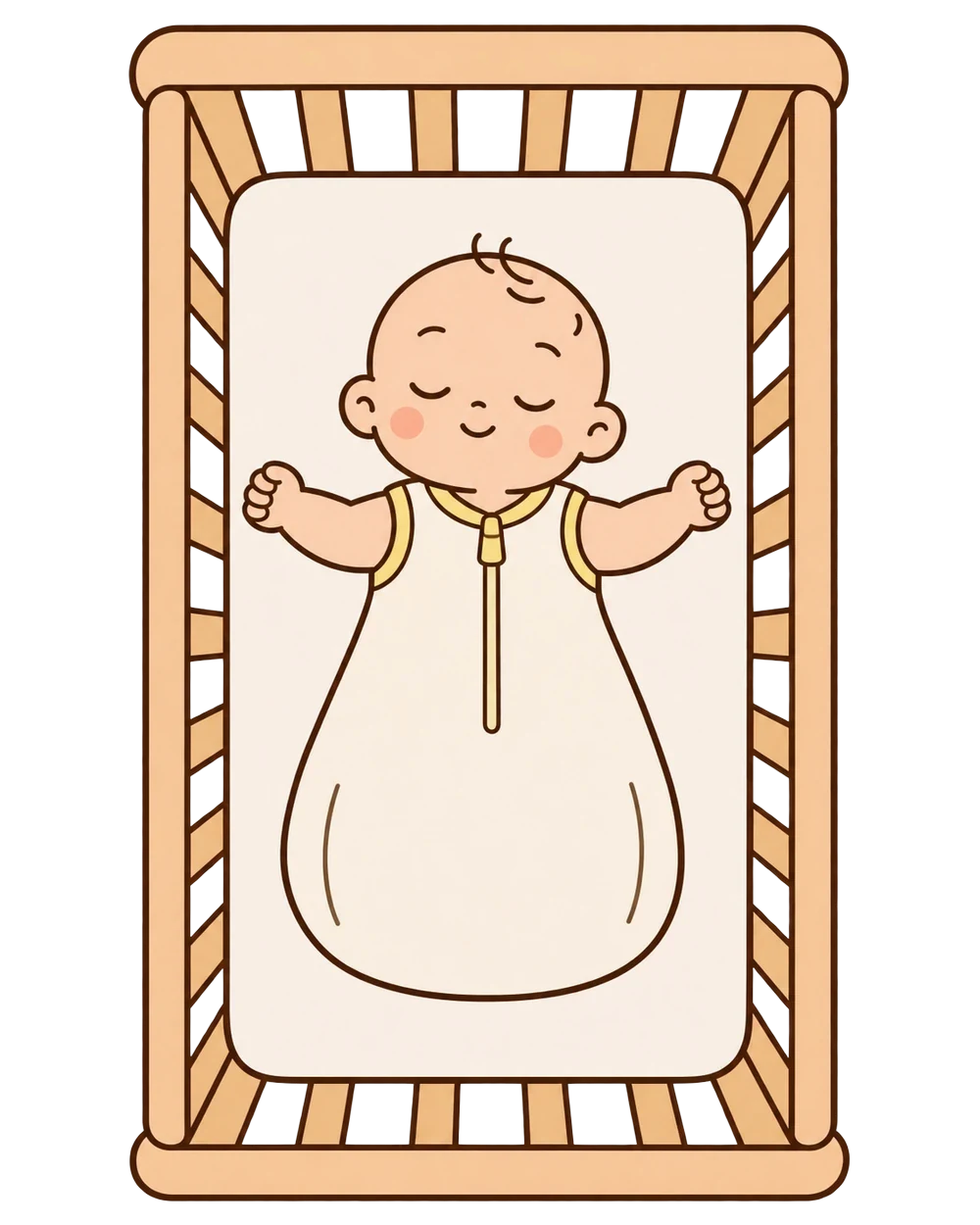
From 12 months, a light blanket is little risk to a healthy toddler, so it can go in the crib. Until then, keep the crib or bassinet bare, because a young baby can't always push away a blanket that slides over the face. That means a fitted sheet and nothing else: no loose blanket, pillow, soft toy or bumper (a padded liner around the sides). A sleep bag (a sleep sack, in US shops) or warmer pajamas keep your baby warm instead.
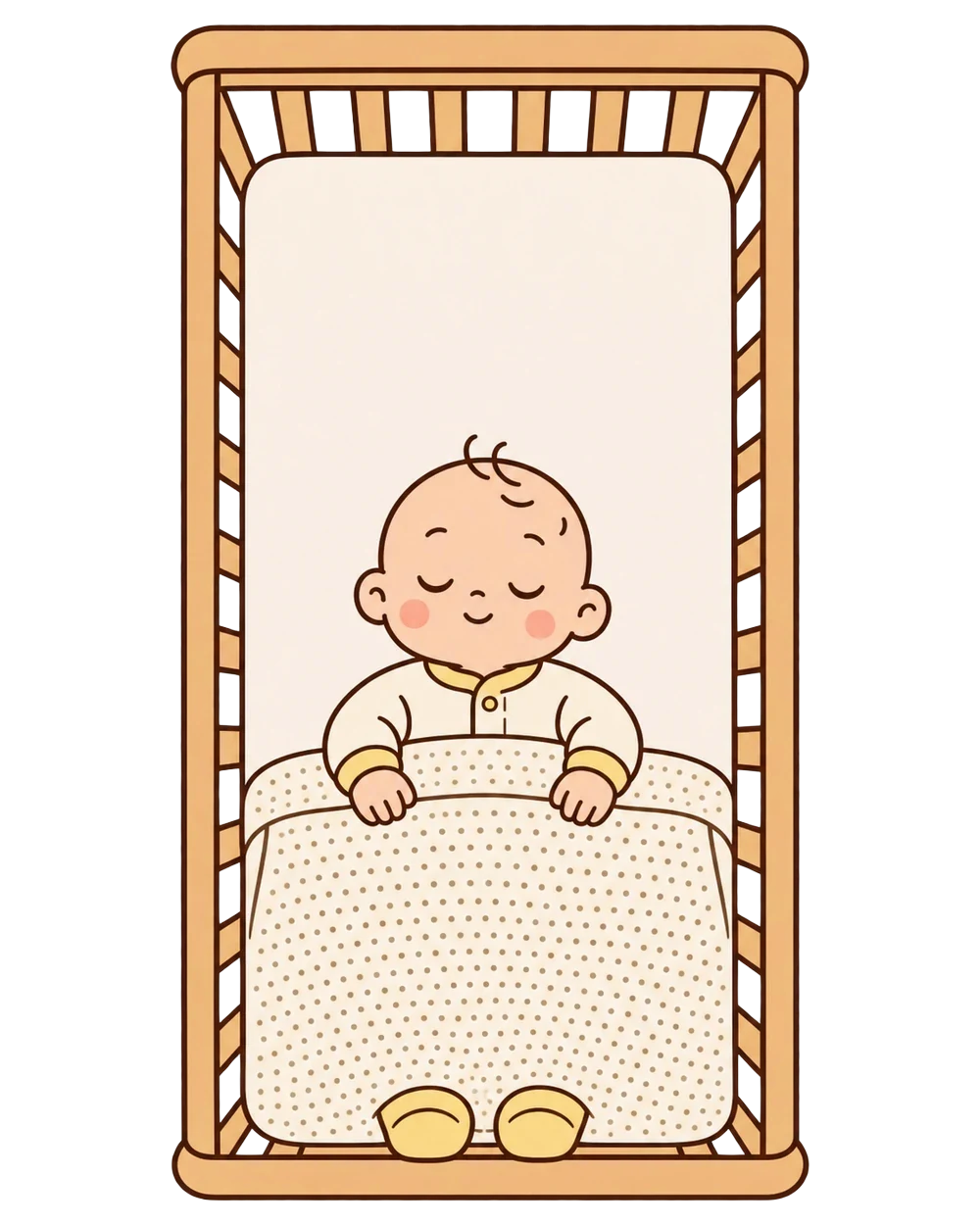
A thin blanket can still do the sleep bag's job from birth, as long as it's tucked in firmly, and plenty of parents put their babies down that way. It's one or the other, though, never a blanket on top of a sleep bag. Lay your baby feet to foot, bring the blanket up no higher than the shoulders and tuck it in well at both sides, so it can't ride up over the face (the steps are below). Use it single rather than folded double, and save duvets, quilts and pillows for after the first birthday.
Before the first birthday
A sleep bag
Or a thin blanket
Types of baby blanket
Four kinds turn up in shops and in gift piles. They differ most in how warm they are.
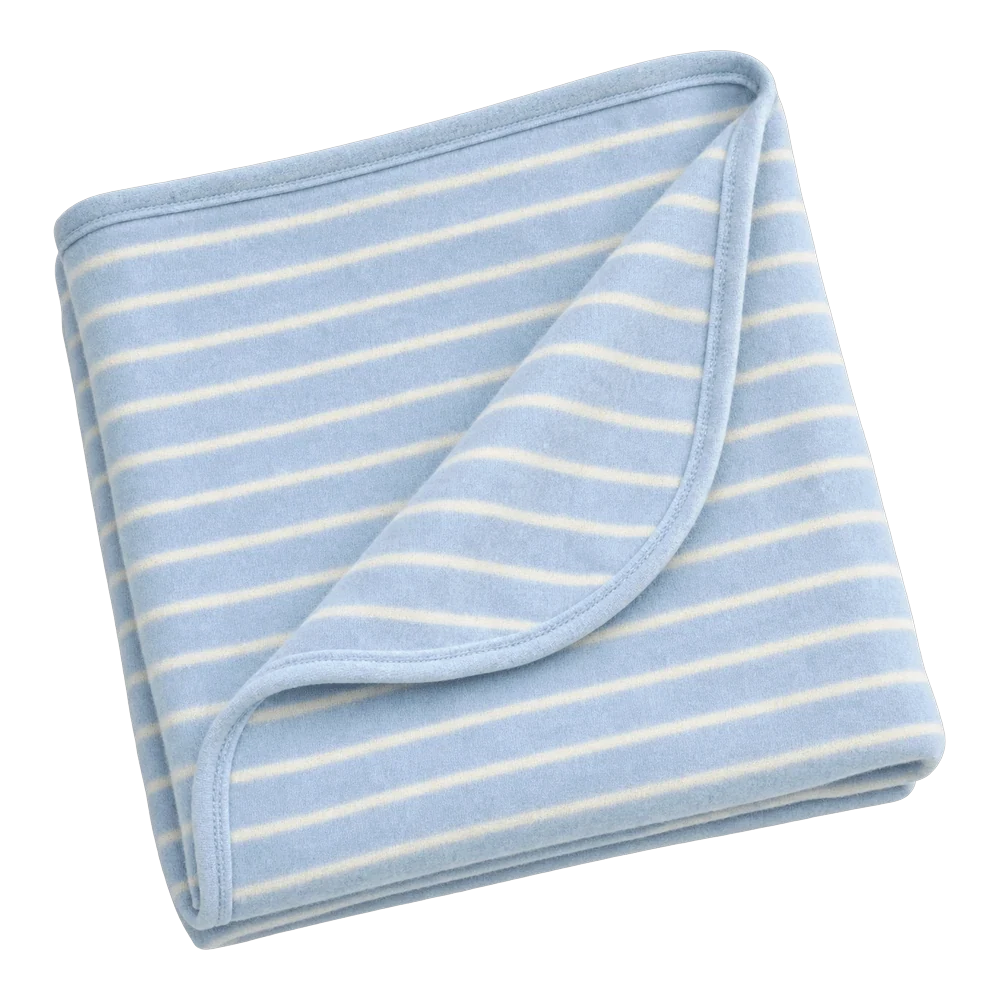
Receiving blanket
A thin square of flannel, a cotton brushed soft, about 75 cm (30 in) across. Handy in the first months for cuddles, a feed or a clean spot on the floor.
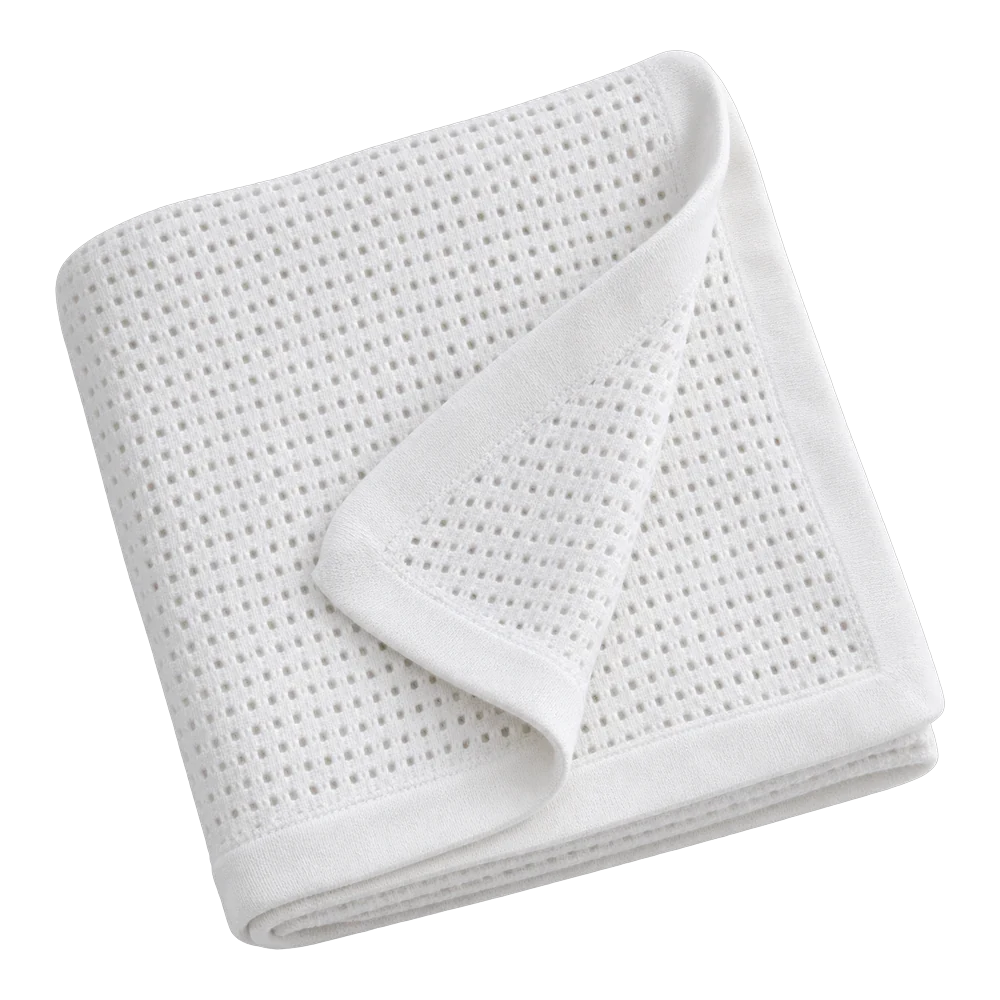
Cellular blanket
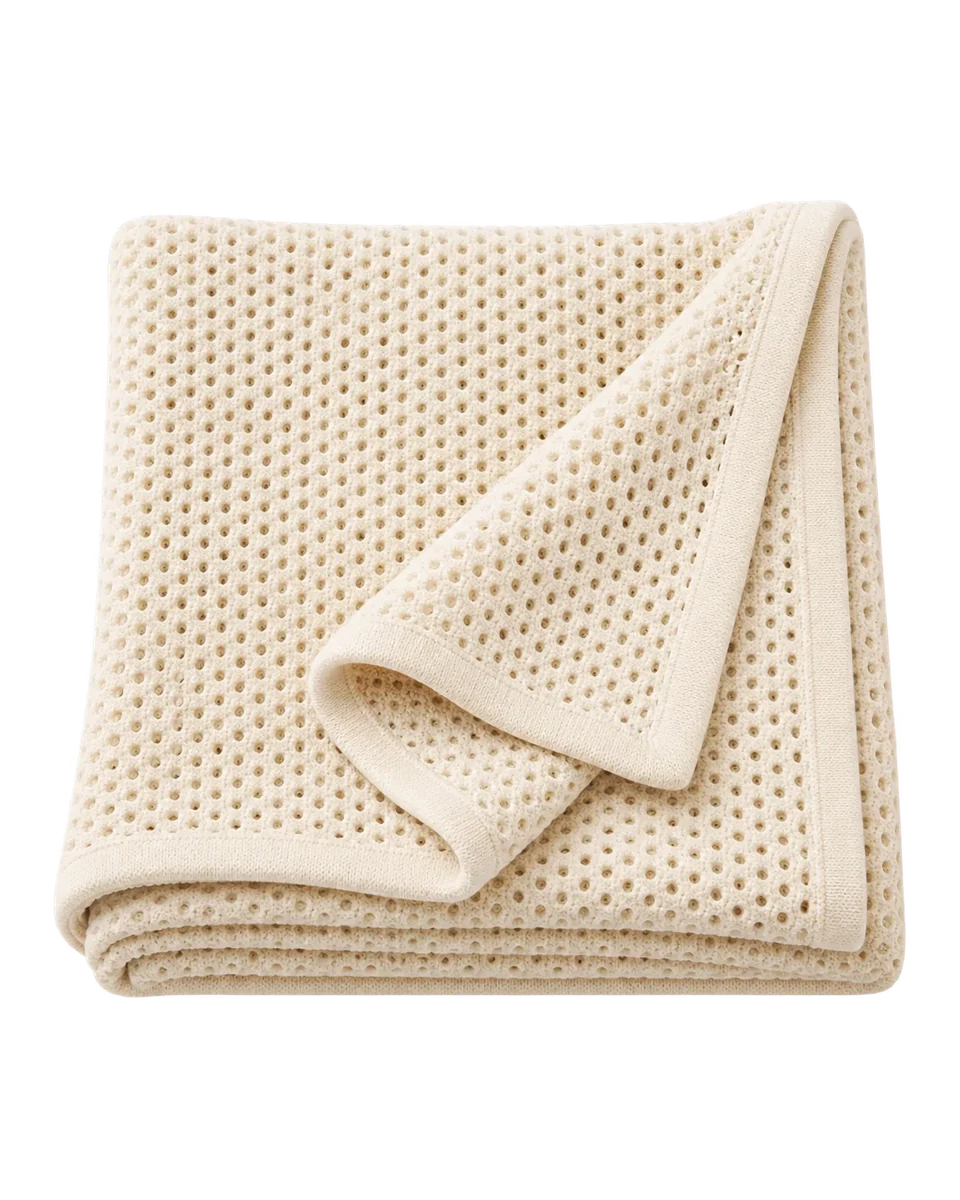
Cotton woven with small holes, light and airy. It's the classic thin blanket for tucking into a crib, and a good first one for a toddler, too.
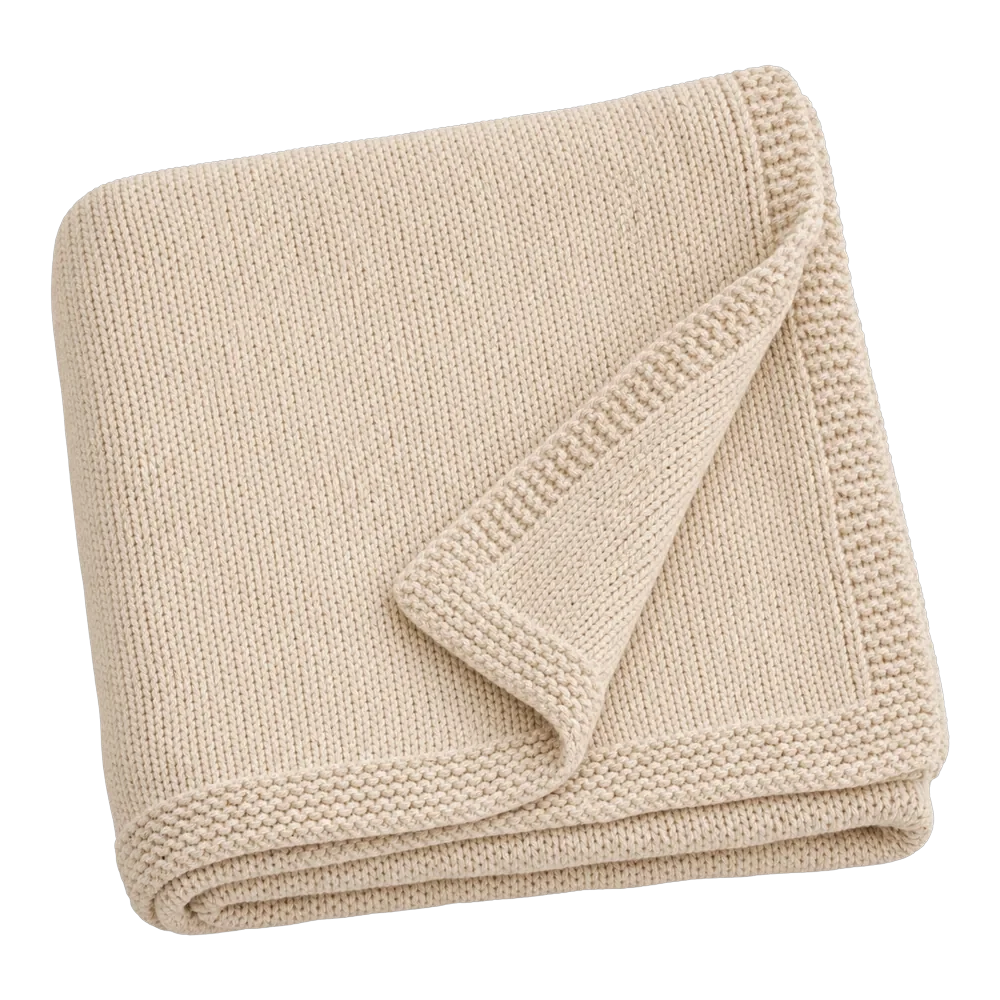
Knit or crochet
Cotton, wool or acrylic yarn, often handmade as a gift. Warm and soft for cuddles and the stroller. Check the label: some are hand-wash only.
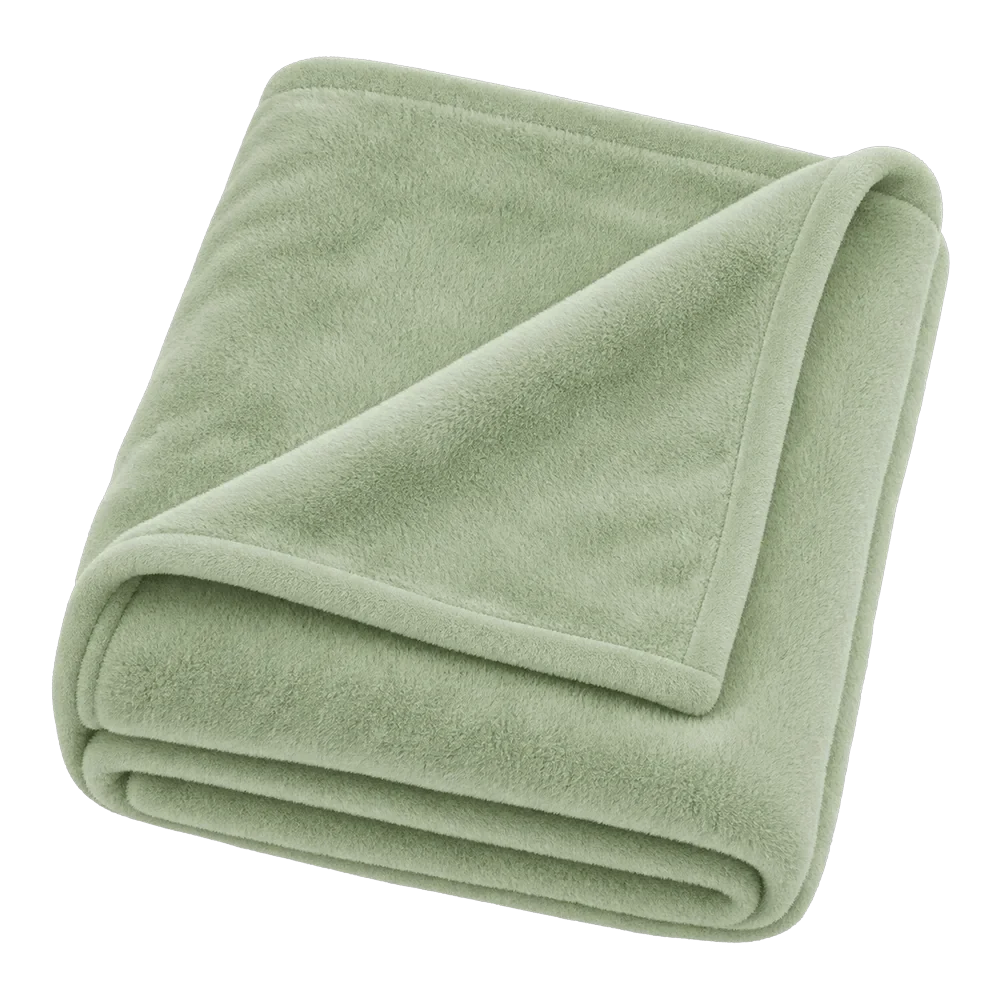
Fleece or minky
Soft polyester, warm, light and quick to dry. Minky is the extra-soft plush kind. Both suit floor play, the stroller and cuddles on a cold day.
What to do with all those blankets
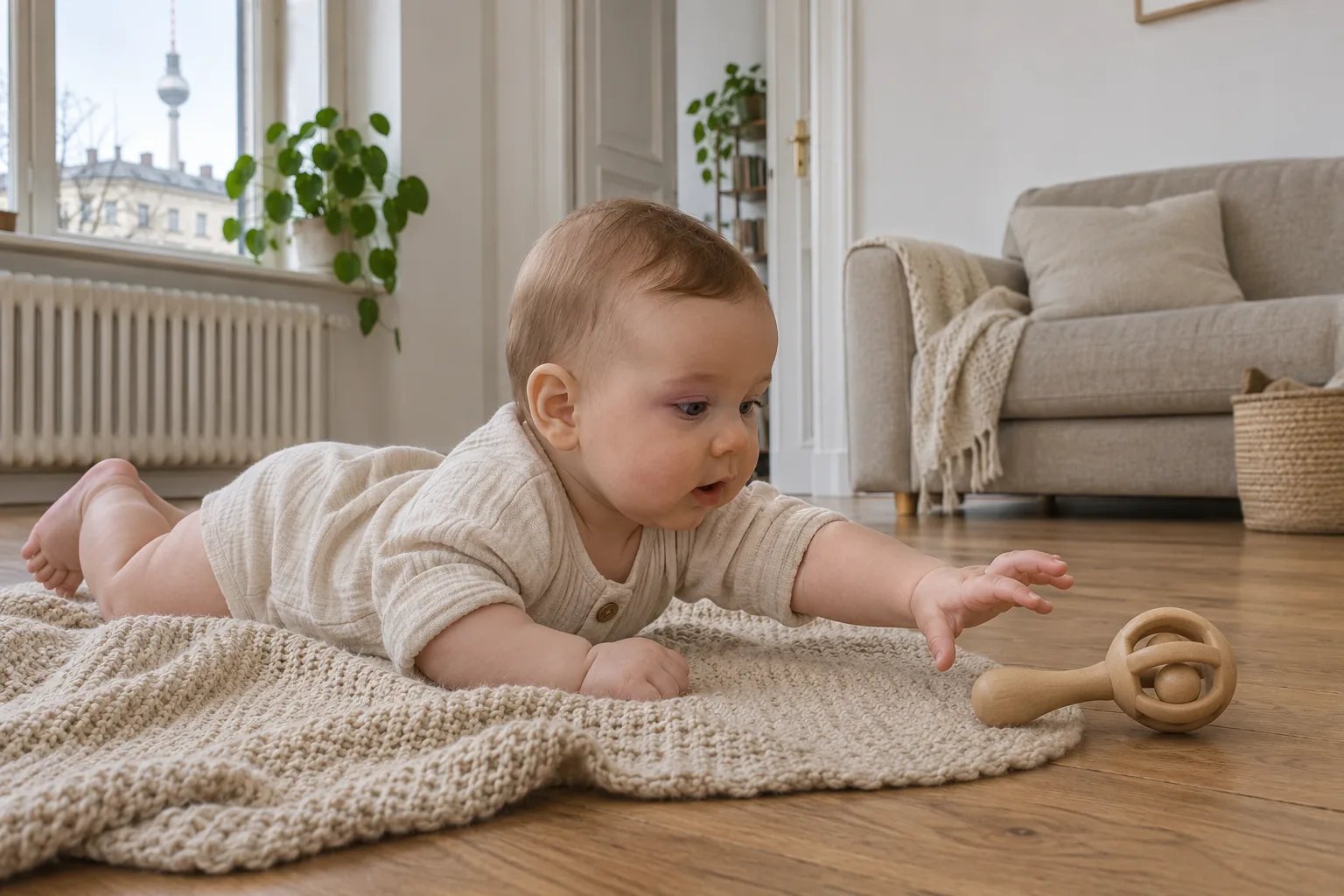
How to choose a baby blanket
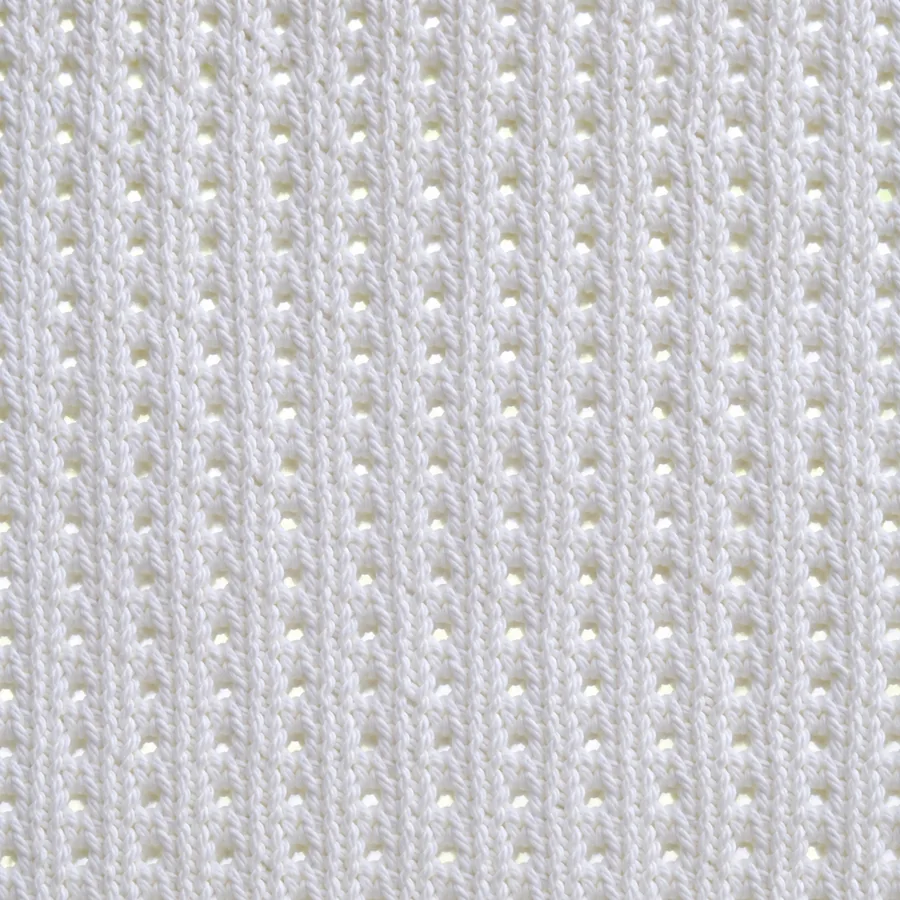
1. Thin cotton for bed
For the crib, pick thin cotton: cellular, flannel or a light knit. Fleece and minky are warm, so keep them for play, cuddles and the stroller.
- Good: Cotton cellular weave
- Good: Thin enough to see light through
- Not good: Thick fleece or quilting
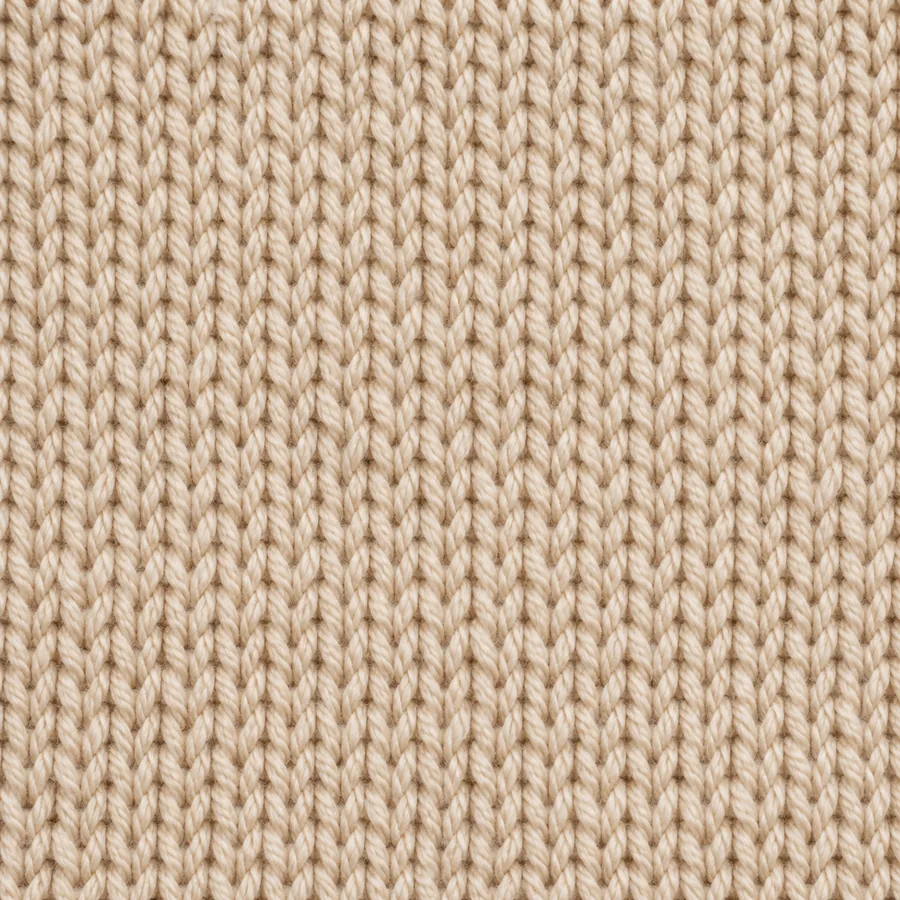
2. Close stitches on a knit
Small fingers and toes poke through open, lacy stitches and get caught, so for a baby, pick a knit or crochet blanket with tight stitches.
- Good: Small, even stitches
- Not good: Open, lacy holes
- Not good: Loose threads or fringe
How to tuck a blanket in
It's quick, and it keeps the blanket off your baby's face all night.
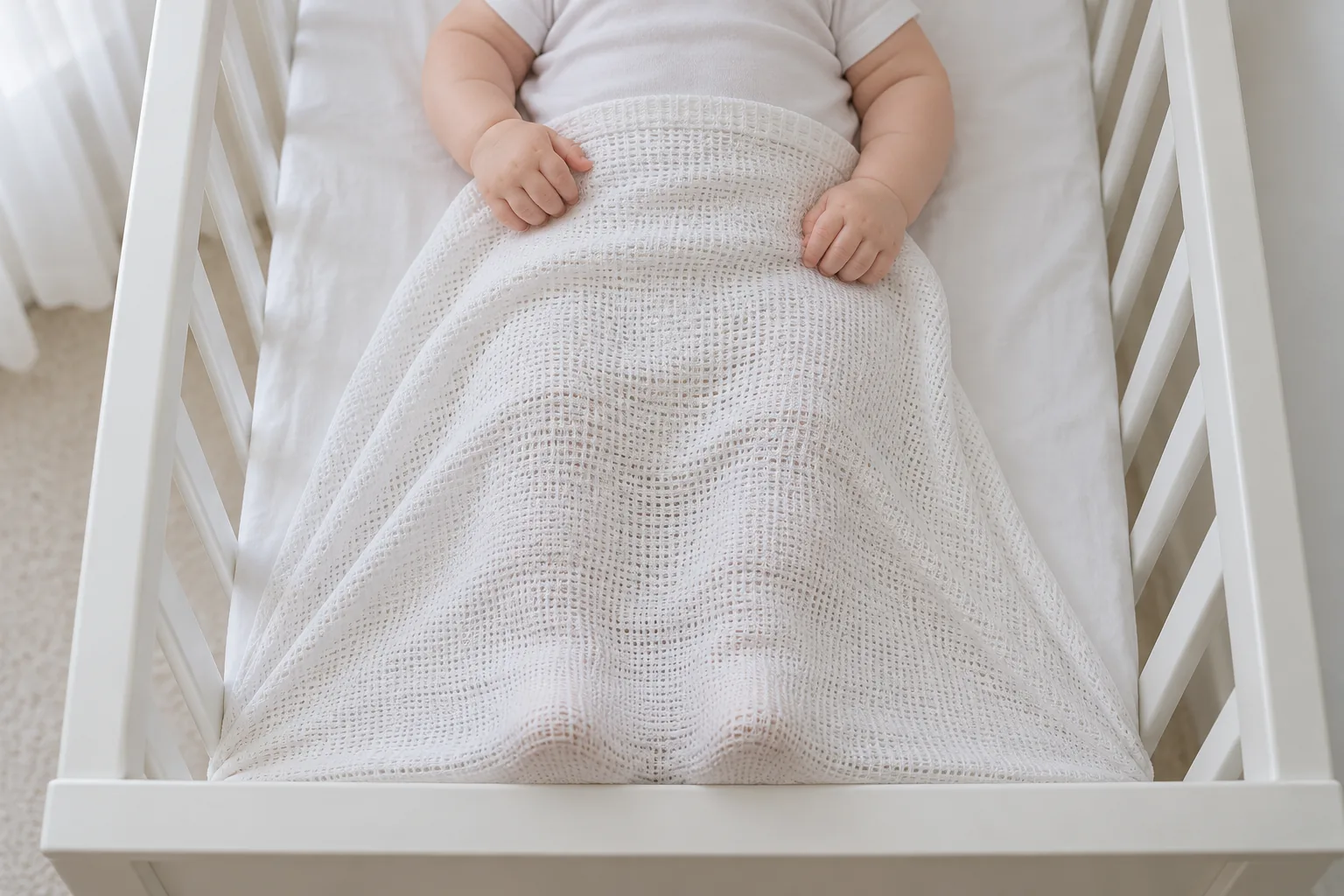
1. Feet to the foot
Lay your baby on the back with the feet touching the foot of the crib, so there is no room to slide down under the blanket.
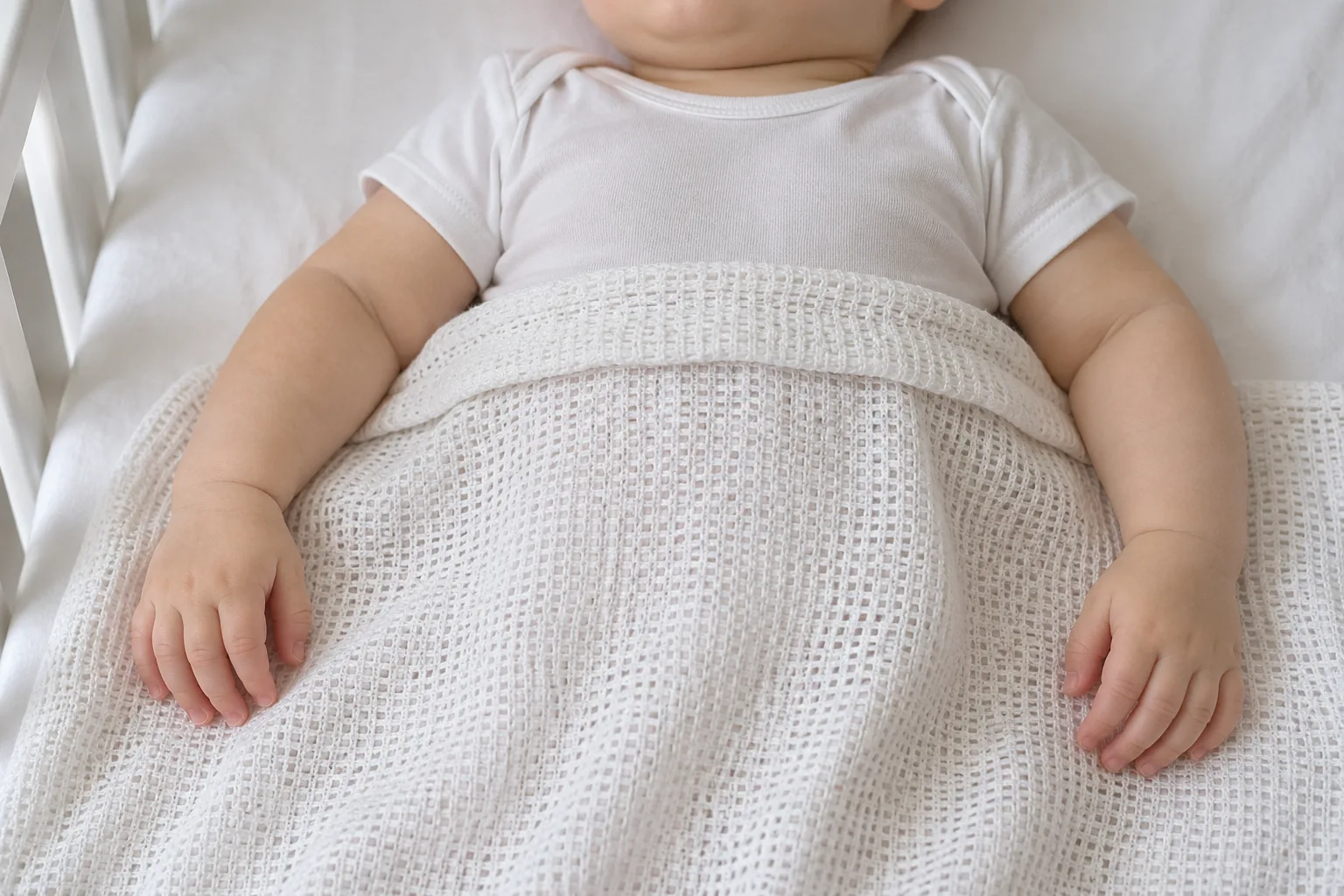
2. Under the arms, arms out
Bring the blanket up under the arms, never higher than the shoulders, and leave both arms out on top.
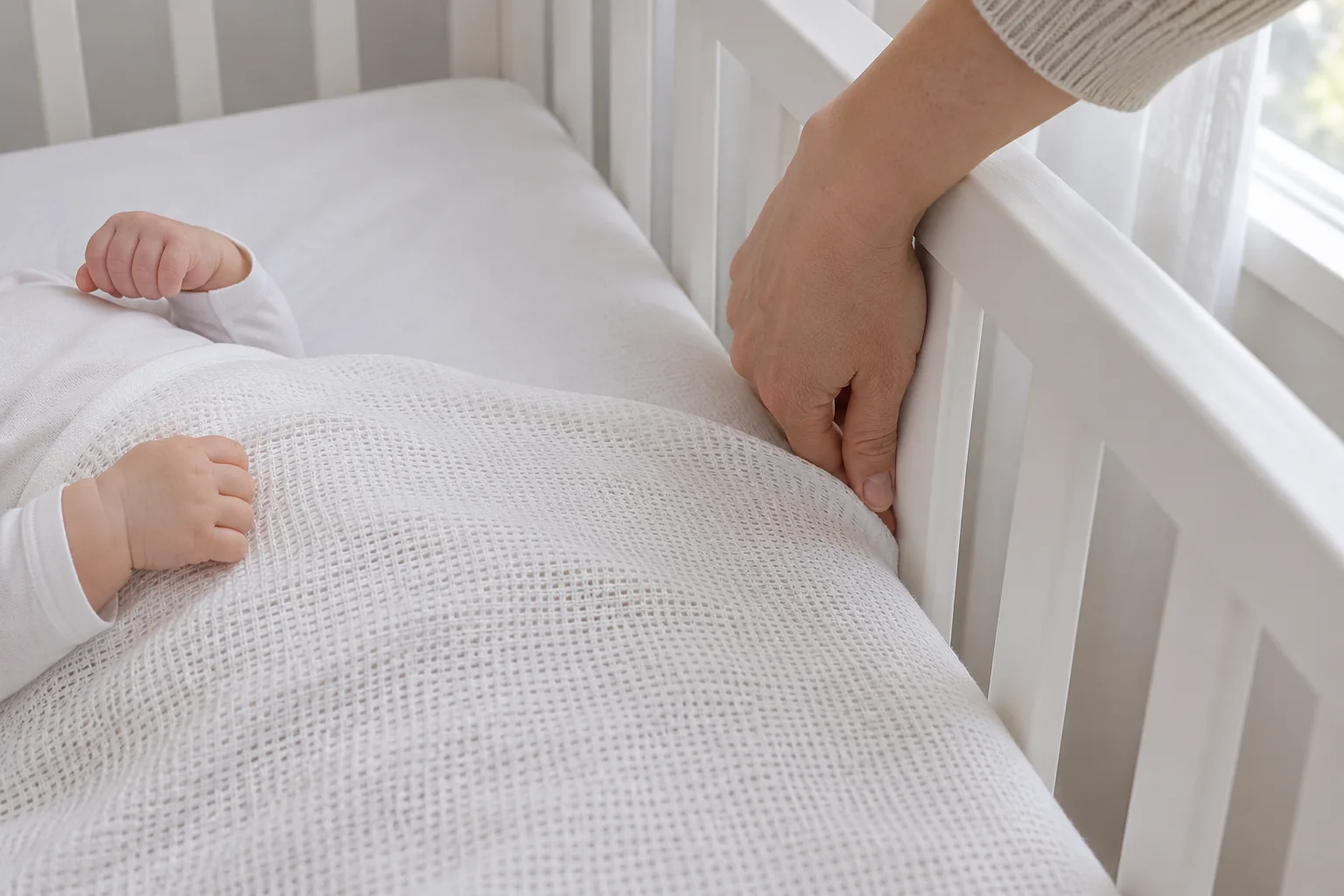
3. Tuck in both sides
Tuck the sides firmly under the mattress, so the blanket stays in place through the night. A blanket too narrow to tuck in on both sides is too small for the crib.
From sleep bag to blanket
There is no set age to switch, and no hurry. A sleep bag still fits after the first birthday, and a toddler who kicks the covers off stays warm in one, so many families switch with the move to a bed, often at 2 or 3.
To start, dress your toddler for the room as if there were no blanket, in pajamas warm enough on their own. Then lay a light cotton blanket over, tucked in under the arms (the steps above). A blanket that ends up in a corner by morning then does no harm.
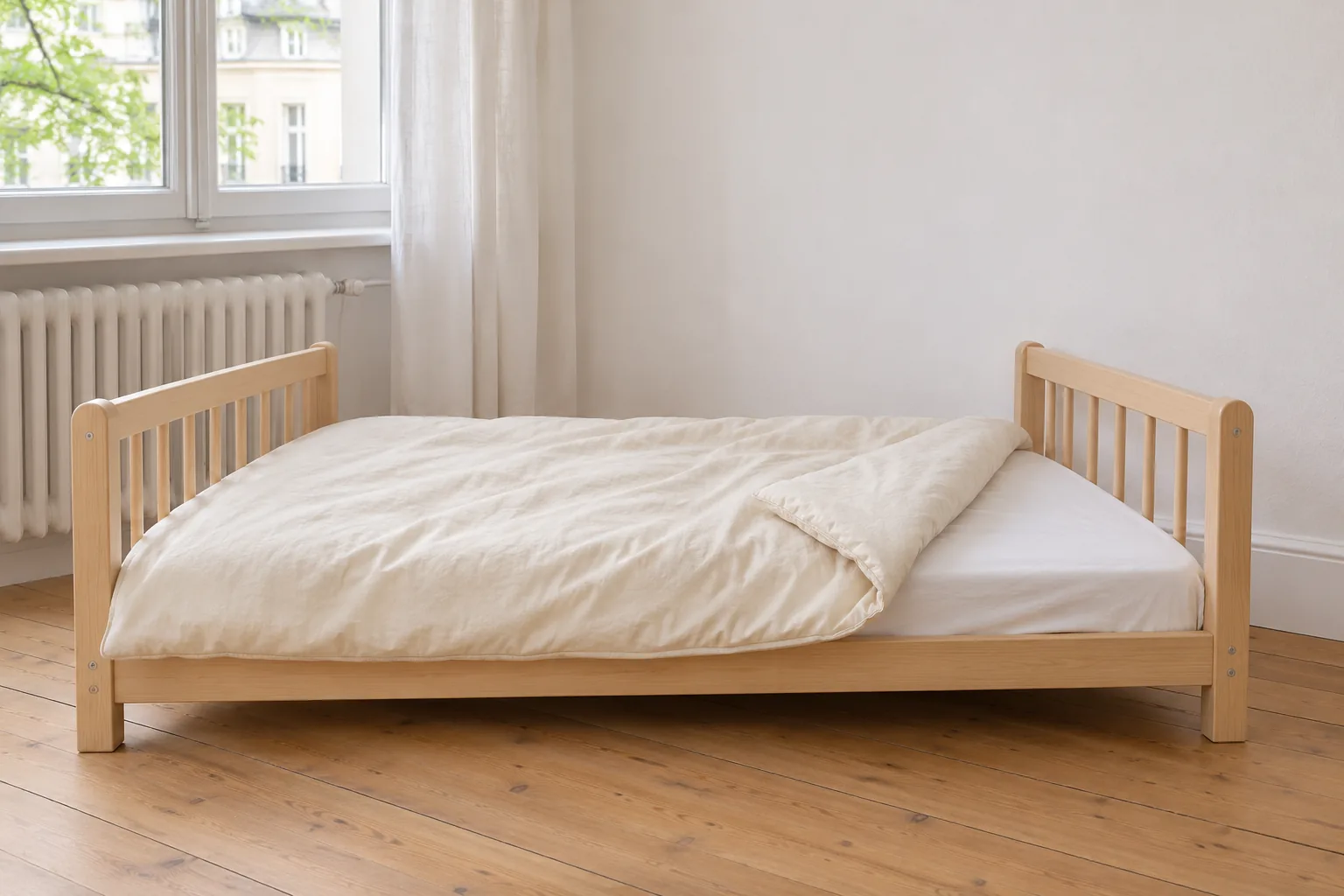
For a toddler bed, shops sell light toddler duvets (toddler quilts, or comforters in the US) of about 4 to 4.5 TOG, the warmth rating sleep bags use, and 120 × 150 cm (47 × 59 in). They are made for children past the first birthday who can push the covers off. An adult duvet is two or three times as warm, and far too big.
Questions parents ask
Does my newborn need a blanket at night?
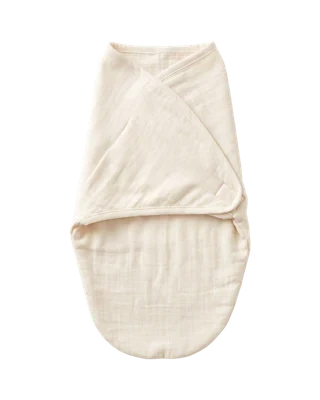
No. A sleep bag in a newborn size, or a swaddle, keeps a newborn warm with nothing loose in the crib.
Can my baby sleep under a blanket if I'm watching?
Not once your baby falls asleep, in the first year: move your baby to the crib, on the back, and leave the loose blanket from your lap behind. While your baby is awake on your lap or on the floor, a blanket is fine.
When can my baby sleep with a lovey or a stuffed animal?
From 12 months, the same as a blanket. A small comfort blanket (a lovey) counts as one.
Is a knitted or crochet blanket safe for a baby?
Yes, for cuddles, play and the stroller, if the stitches are close. In bed it follows the same ages as any blanket. Check handmade and hand-me-down ones for loose threads before use, because a thread can wind tightly round a toe.
How many blankets is too many?
One thin blanket over sleepwear for the room is enough, with a second thin one only if the room is below 16°C (61°F). A blanket folded double counts as two. If the back of the neck feels hot or sweaty, take one off (is my baby too hot or too cold?).
Can I swaddle with a receiving blanket?
Yes, a newborn. At about 75 cm (30 in) it is small, though, and its corners soon stop reaching as your baby grows. A muslin blanket of about 120 cm (47 in) wraps for longer: how to swaddle.
When can a toddler have a pillow?
Not in the first year. After that there is no set age, and a pillow can wait for the move to a bed.
Are weighted blankets safe for babies and toddlers?
Not for babies, because the weight can press on a baby's chest. For toddlers there is no official age, and a young child can get trapped inside one with a zipped cover.