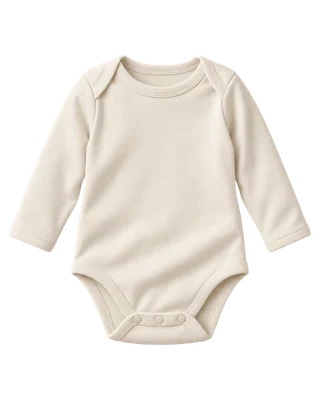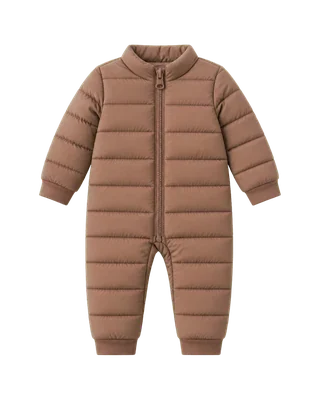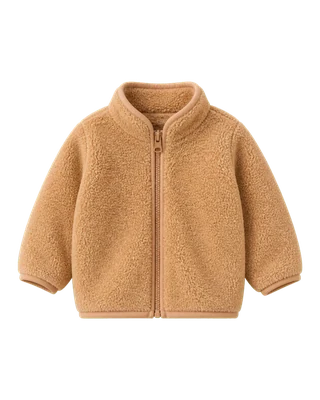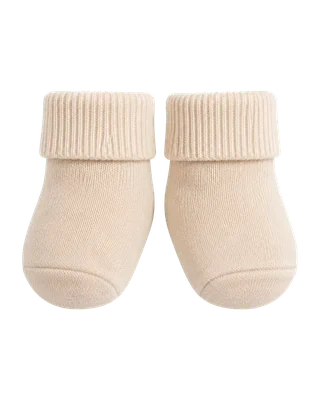
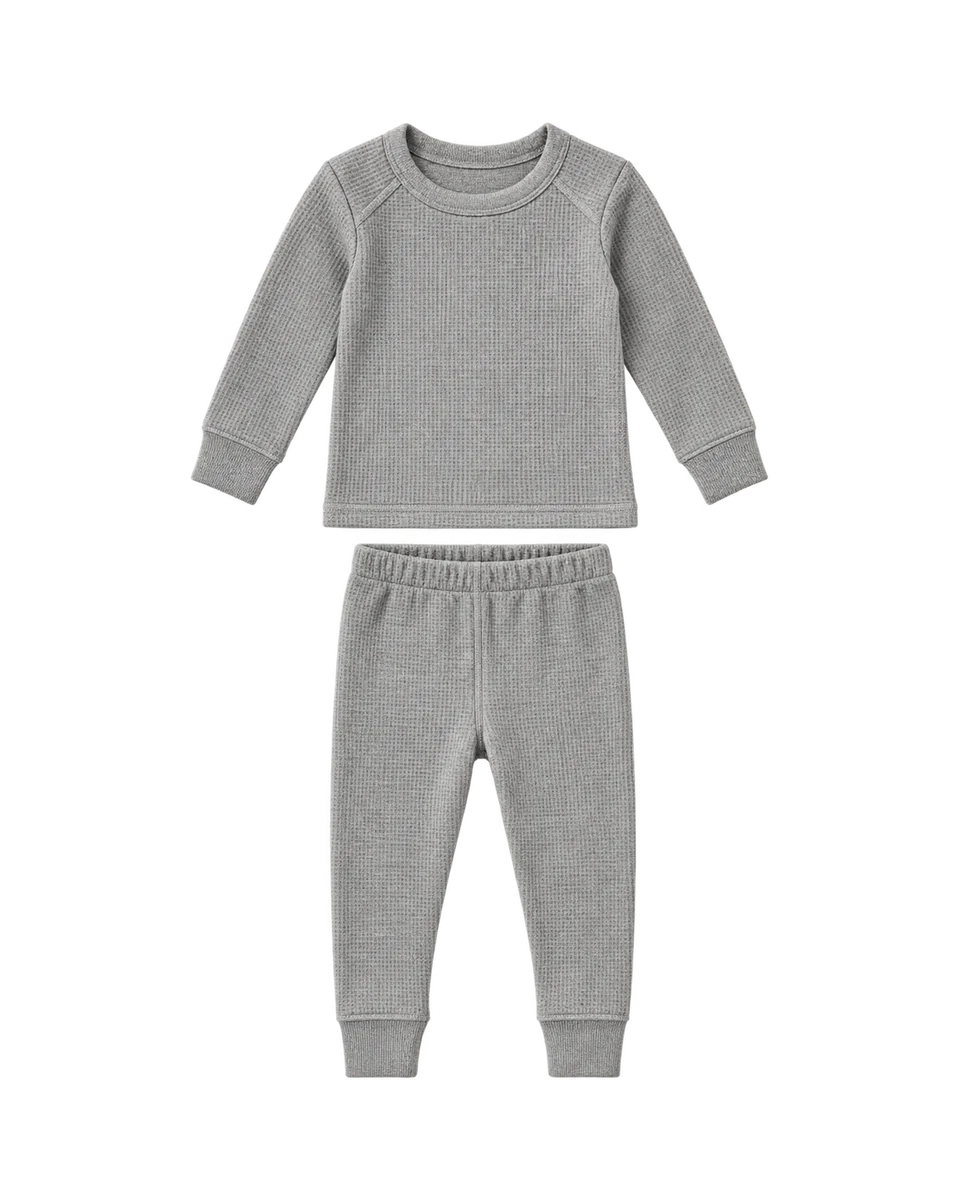
Thermal underwear is a thin top and long leggings that go on first, right against the skin. You'll also see it sold as long johns or a base layer. It doesn't do the warming itself. The fleece and the snowsuit on top do that. What it does is deal with sweat. When your child gets hot running around and then stands still, it keeps the damp skin warm, where a cotton bodysuit turns cold and clammy.
Plenty of children get through a whole winter without a set, and that's fine. They earn their place once your child walks and plays outside for a long time below 0°C (32°F), and they always go under the fleece and the snowsuit, never instead of them.
- For ages12+months
- You'll need1–2per size
- Wear it below0°C32°F
Do toddlers need thermals?
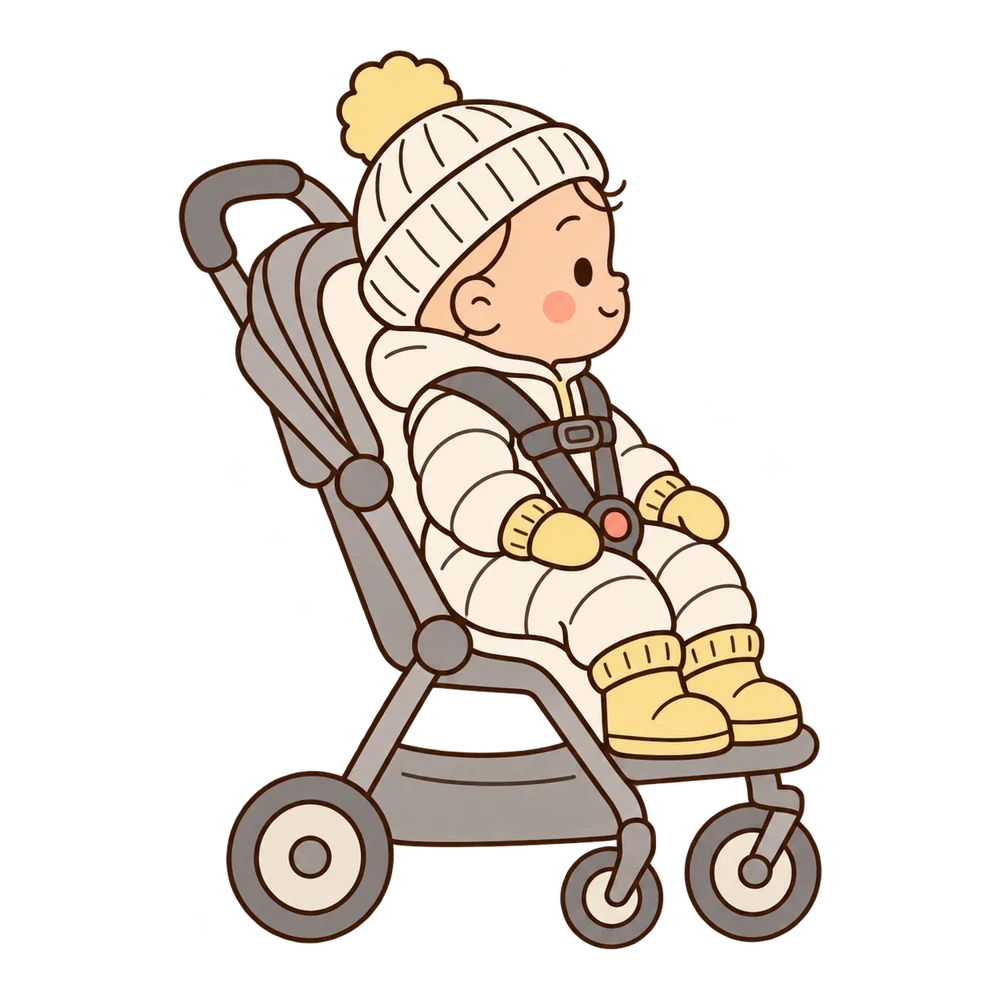
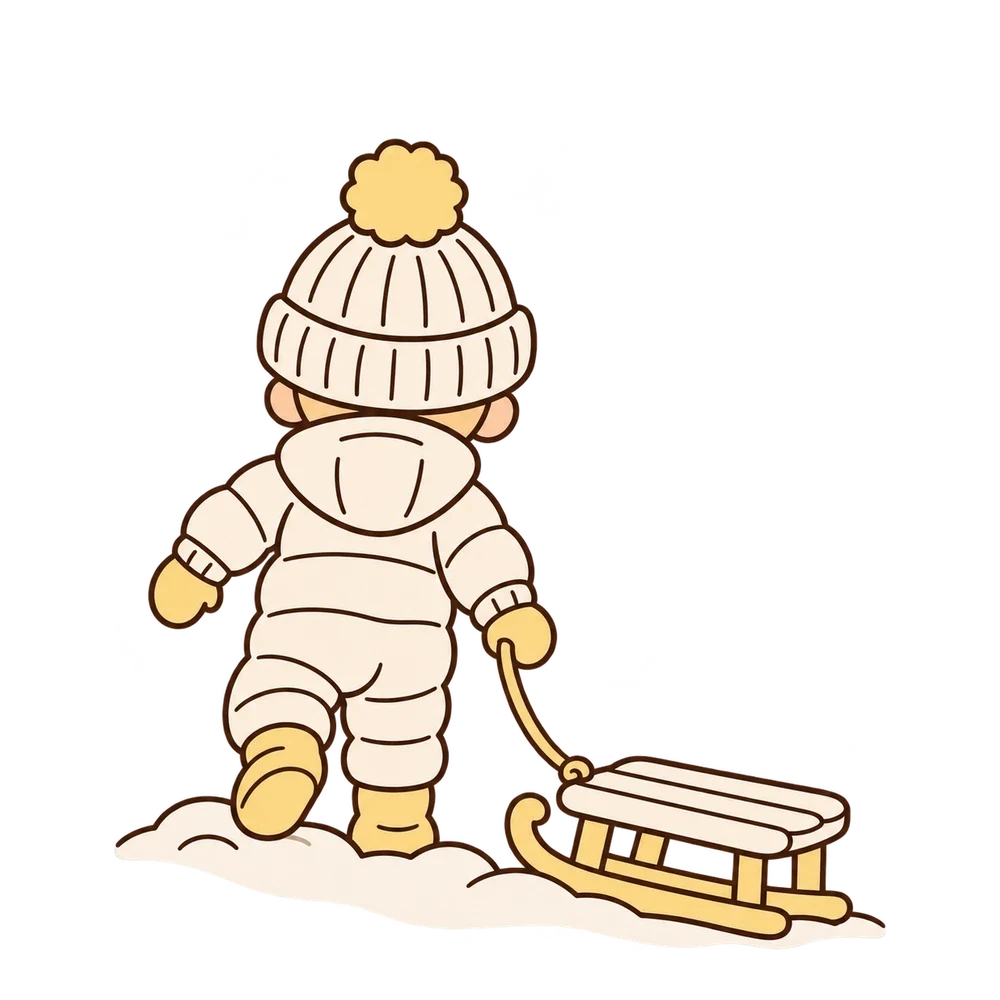
Not for a walk in the stroller. A child who's riding along sits still in a pram suit (the one-piece snowsuit) or under a footmuff, hardly sweats, and the usual winter layers are plenty.
Snow play is another story. A toddler who climbs the sledding hill five times in a row gets hot and sweaty, then sits on the sled or waits for a turn, damp on the inside. Cotton holds that sweat against the skin and turns cold. Wool or polyester stays warm, so the chill doesn't set in the moment the running stops. Sledding, skiing and a long morning outside at daycare are the days for a set.
Riding in the stroller
Playing in the snow
Which fabric is best for thermal underwear?
Here the fabric counts for more than the brand or the price, because each one deals with sweat in its own way. Wool takes a lot of it into the fiber before it even feels wet, and stays warm. Polyester barely takes any in and dries fast. Cotton soaks it up and stays wet and cold against the skin.
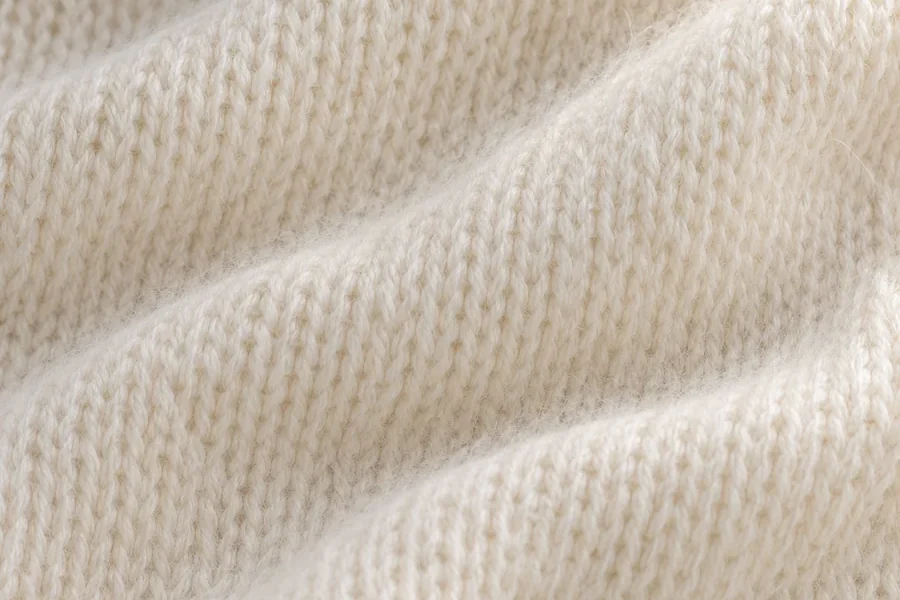
Merino wool
Sheep's wool, but so fine it's soft enough for bare skin. It stays warm even when it gets damp, so it suits the child who runs around and then stands still.
- Good: Warm even when damp
- Good: Soft enough for bare skin
- Not good: Wool wash only
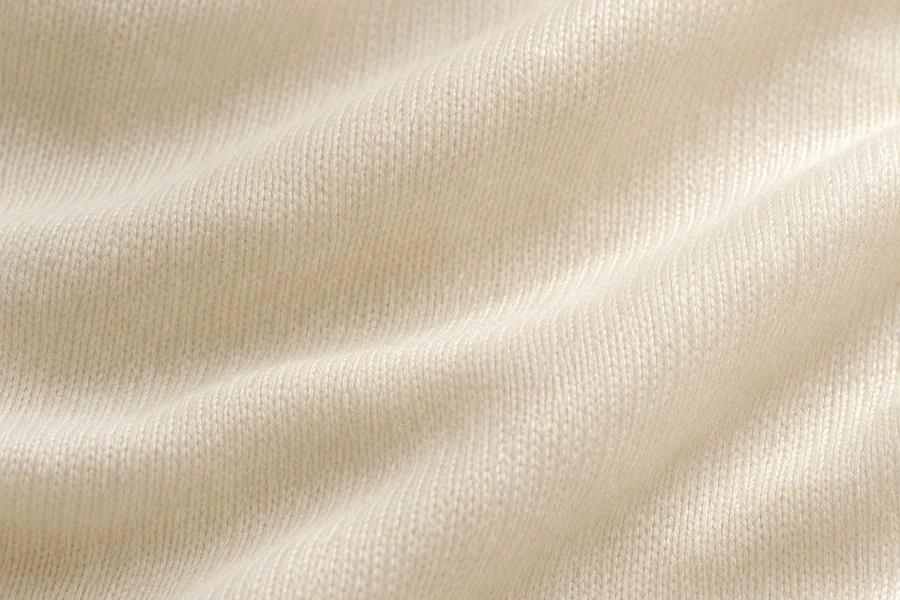
Wool-silk
Merino with silk mixed in, so it feels smoother and softer. A good one to try for a baby, or for a child who says plain wool itches.
- Good: Smooth on the skin
- Not good: Wool wash only
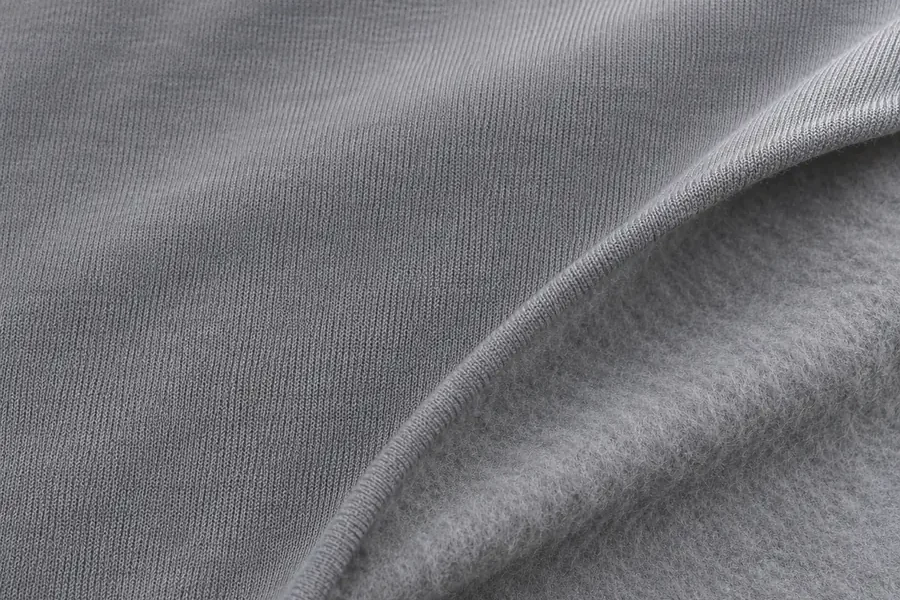
Synthetic
Polyester, often brushed soft on the inside. It takes up almost no water and moves sweat off the skin, so it dries fastest. Good for very sweaty play, and for children whose skin won't take wool.
- Good: Dries fastest
- Good: Machine wash
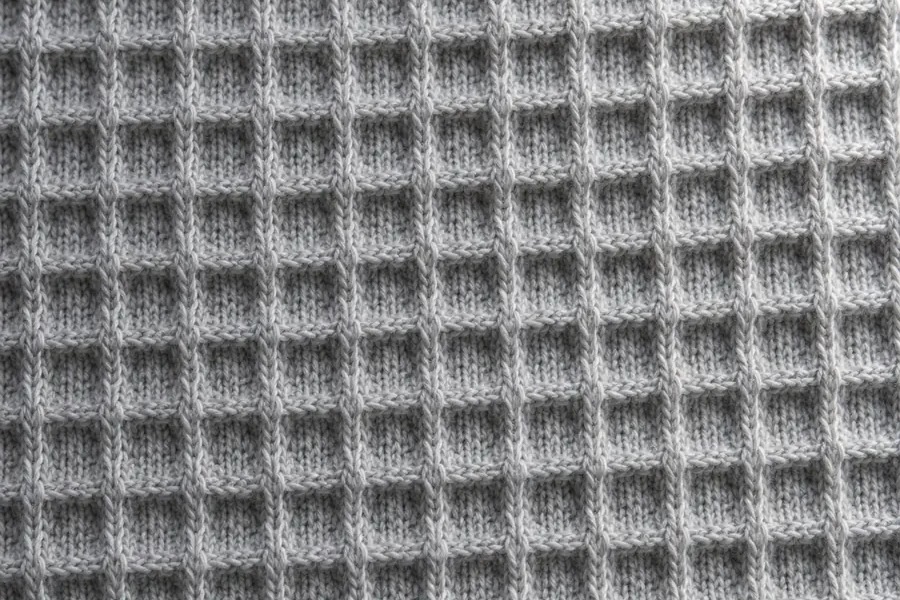
Cotton waffle
The waffle-knit set you see in most shops. Soft, cheap and perfectly fine for a chilly house. For snow play, leave it at home: cotton holds sweat and turns cold as soon as your child stops moving.
- Good: Soft and cheap
- Not good: Cold once damp
How to wear it
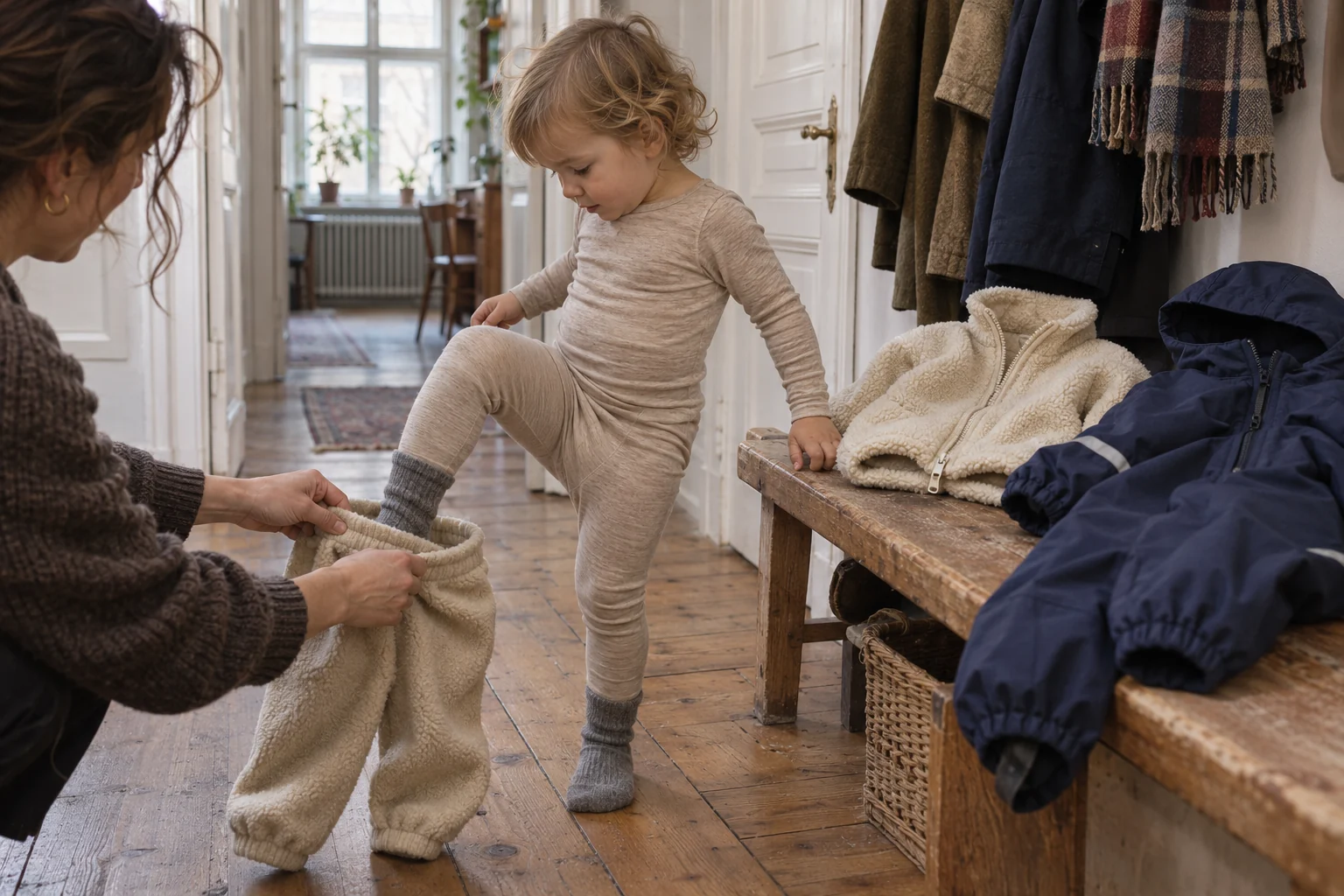
Thermals take the place of the usual bodysuit or T-shirt and leggings, so they go on first, over the diaper. On top come the warm layers: a warm fleece and warm pants, then the snowsuit, wool socks, a hat and mittens.
Tuck the top into the long johns and the long johns into the socks. That way nothing rides up when your child bends down for a handful of snow, and no bare back meets the cold.
Back inside, take the snowsuit and the fleece off straight away. For the car ride, a thin set can stay on under the car seat straps. If you're home for the afternoon, feel the back of the neck: if it's damp, swap the set for dry indoor clothes.
How to choose thermal underwear
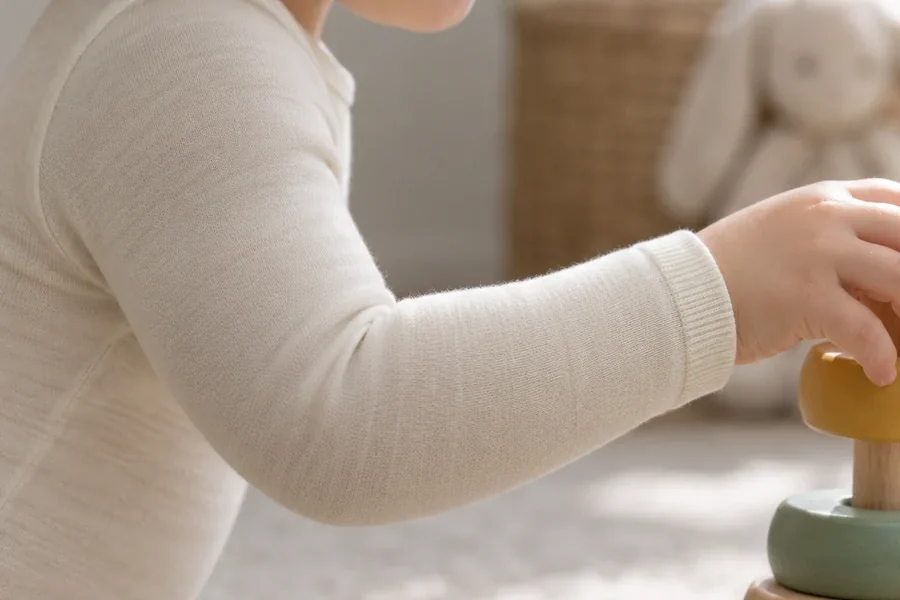
1. Close, but never tight
A base layer can only deal with sweat if it touches the skin, so it should sit like leggings, with no baggy folds. It shouldn't dig in at the waist or the cuffs, or leave red marks. Buy by your child's height on the size chart.
- Good: You can pinch only a little fabric
- Good: No marks at the waist or cuffs
- Not good: Baggy at the knees and seat
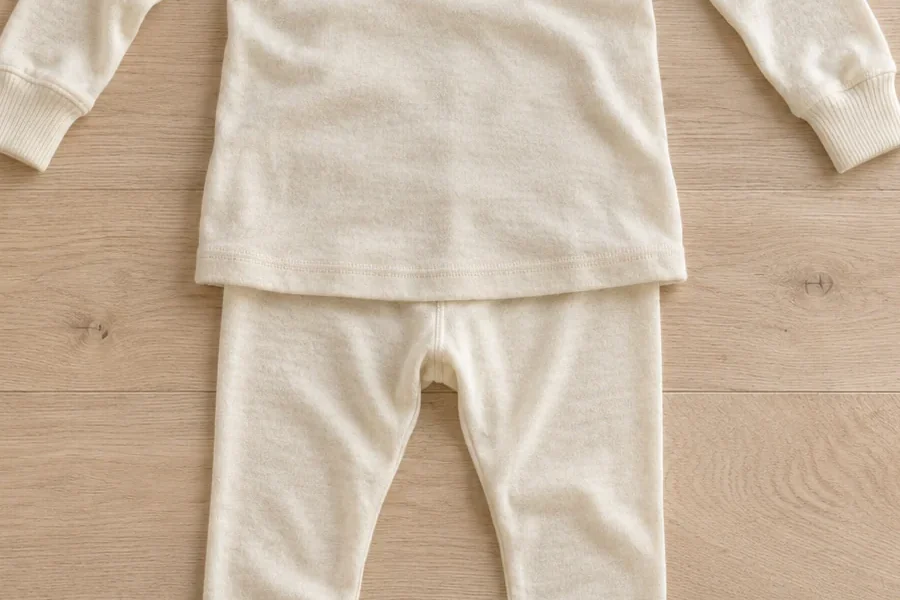
2. A long top and snug cuffs
The top should reach well below the waistband, so it stays tucked in when your child bends over. Snug ribbed cuffs keep the sleeves and legs in place under the mittens and socks.
- Good: Top stays tucked when arms go up
- Good: Ribbed cuffs at wrists and ankles
- Not good: Short top that pulls out
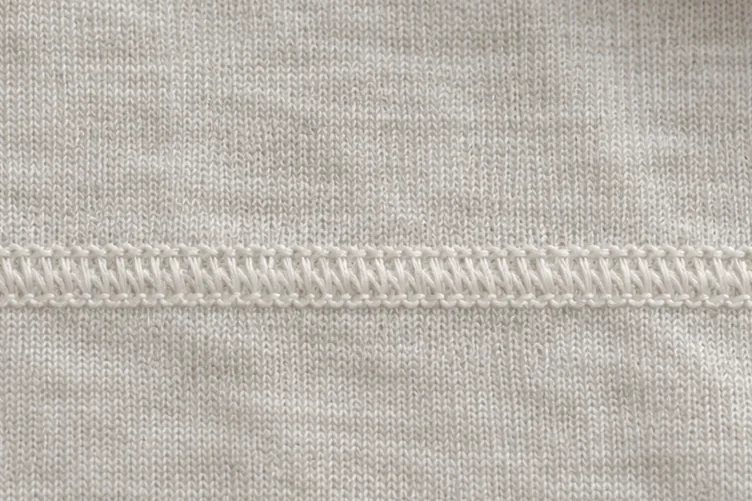
3. Flat seams, no scratchy label
Your child wears it on bare skin, under several layers, all day, so a raised seam or a stiff label can rub for hours. Flat seams lie smooth, and a printed label can't scratch.
- Good: Flat, smooth seams
- Good: Label printed on the fabric
- Not good: Thick seams on the inside
Questions parents ask
What is the difference between a base layer and thermals?
None: base layer, thermals and long johns are names for the same thin set worn on the skin. In US shops, though, "thermal" often means a cotton waffle knit, so check the label for wool or polyester before a snow day.
Which is better, fleece or thermals?
You need both on a snow day, because they do different jobs. Thermals lie on the skin and deal with the sweat. A fleece goes over them and holds the warm air.
Is merino wool warm enough for a toddler?
Yes, as the first layer. Merino is warm for its weight, so a thin set does the job without bulk under the snowsuit, and it stays warm when it gets damp.
My child hates wool. What else works?
Try wool-silk first, which is smoother, or a merino labeled for next to the skin. Whether wool prickles depends on how fine its fibers are. If every wool still itches, a polyester set does the job well on a snow day.
Does my child wear underwear under thermals?
A diaper, yes. Otherwise the set goes straight on the skin. Cotton underpants hold sweat like any cotton, so for a long day in the snow, wool or polyester ones are the better pick.
Do kids need thermals for skiing?
Yes. A ski day is exactly what they're made for, with hard play in the cold and then a cold wait for the lift. Merino or synthetic goes under the ski clothes.
Can babies wear thermals?
They can, but they rarely need them. A baby in a stroller or a carrier sits still inside a pram suit or against your body. On the coldest days, a wool or wool-silk bodysuit with wool leggings does the same job.
Can my child sleep in thermal underwear?
No. In a bedroom at 16–20°C (61–68°F), pajamas and a sleep bag or blanket are enough, and a wool set under them makes your child too warm. Go by the room temperature for what your child sleeps in.
How many sets do I need?
One set covers snow days at the weekend. A child who plays outside every day at daycare needs two, so one can be washed and dried while the other is worn.
How do I wash merino thermals?
On the wool cycle, cool, with a wool detergent and no fabric softener, then dry them flat, like any wool knit. Heat and rubbing shrink wool.