What this is about
A cold-weather outfit can become bulky before it becomes useful. When clothes get too thick, your baby cannot bend their knees, starts fussing, and overheats the moment you step indoors. The goal is warmth without stiffness: thin layers that trap body heat close to the skin, with a windproof jacket or pram suit handling the weather on the outside.
Start with the feels-like temperature
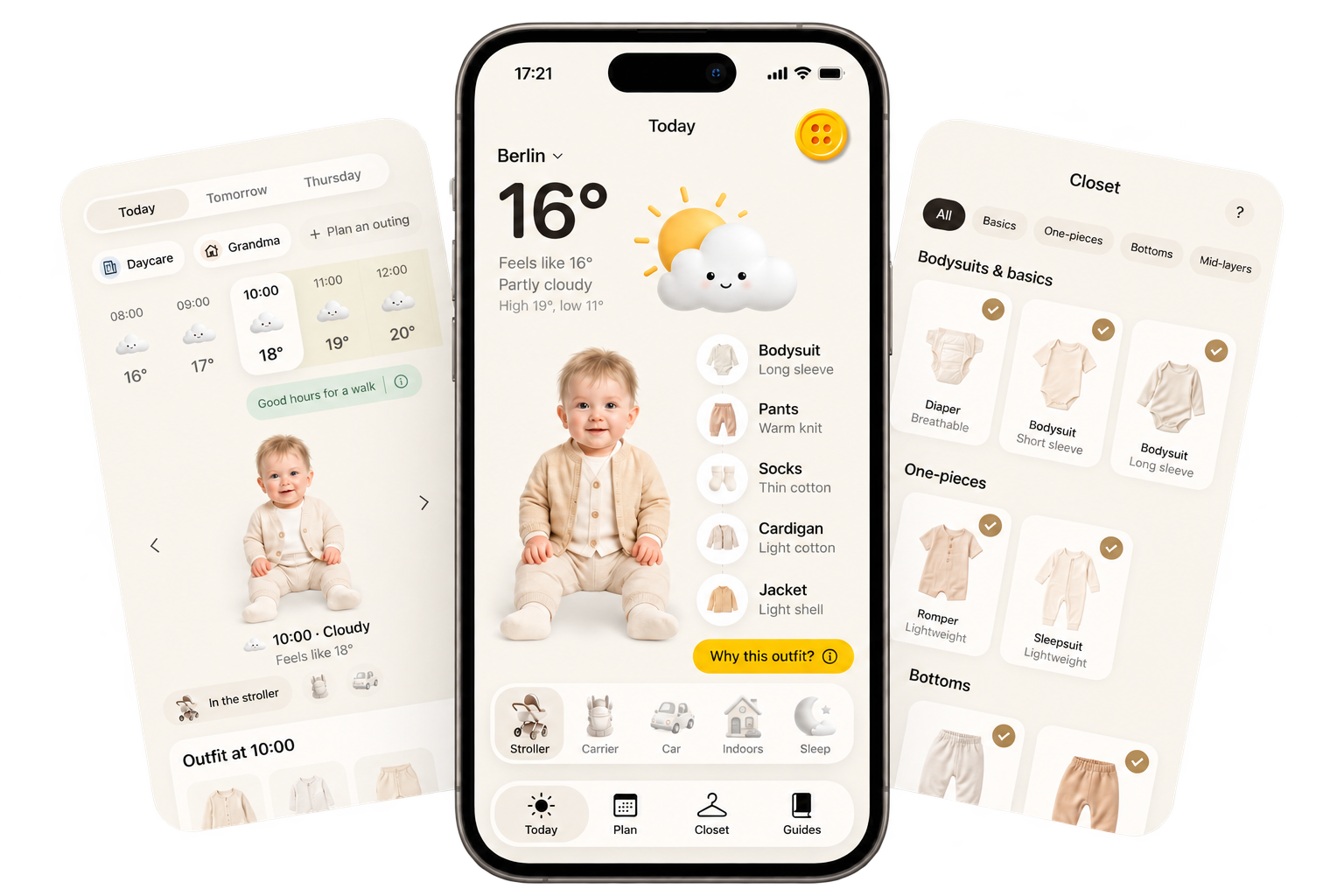
Cold wind strips warmth much faster than still air. For a stroller walk, always dress for the feels-like temperature rather than the thermometer reading on your phone. It already accounts for the wind chill, so there is no need to guess or subtract degrees yourself.
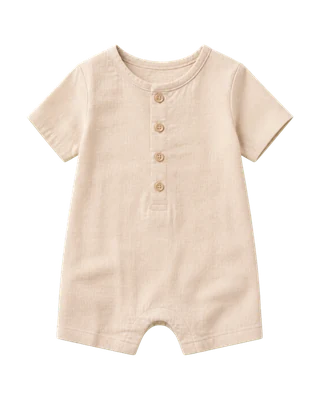
28° and warmer
short-sleeve romper
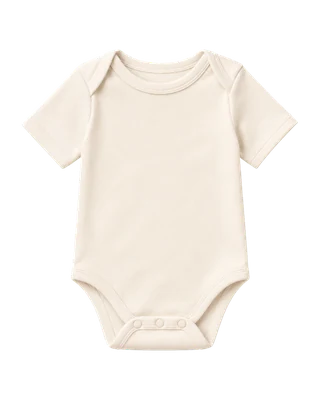
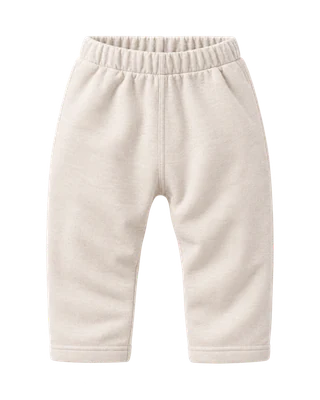
24–27°
short-sleeve bodysuit, light pants
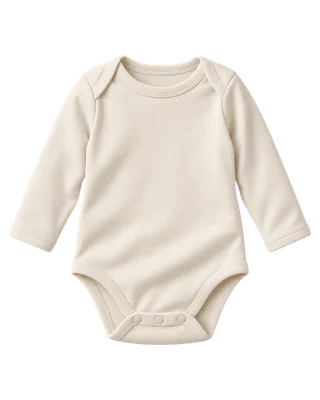
20–23°
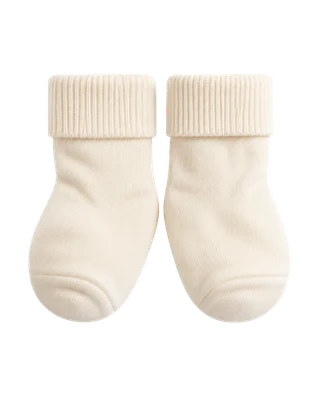
long-sleeve bodysuit, light pants, thin socks
16–19°
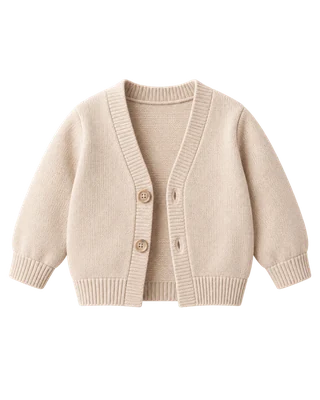
long-sleeve bodysuit, light pants, thin socks, cardigan
12–15°
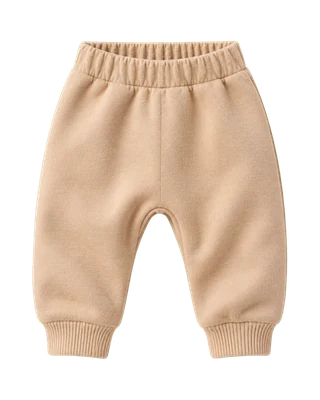
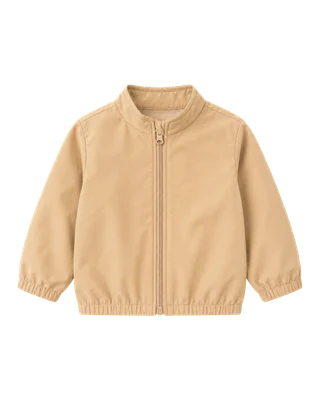
long-sleeve bodysuit, warm pants, thin socks, cardigan, light jacket
8–11°
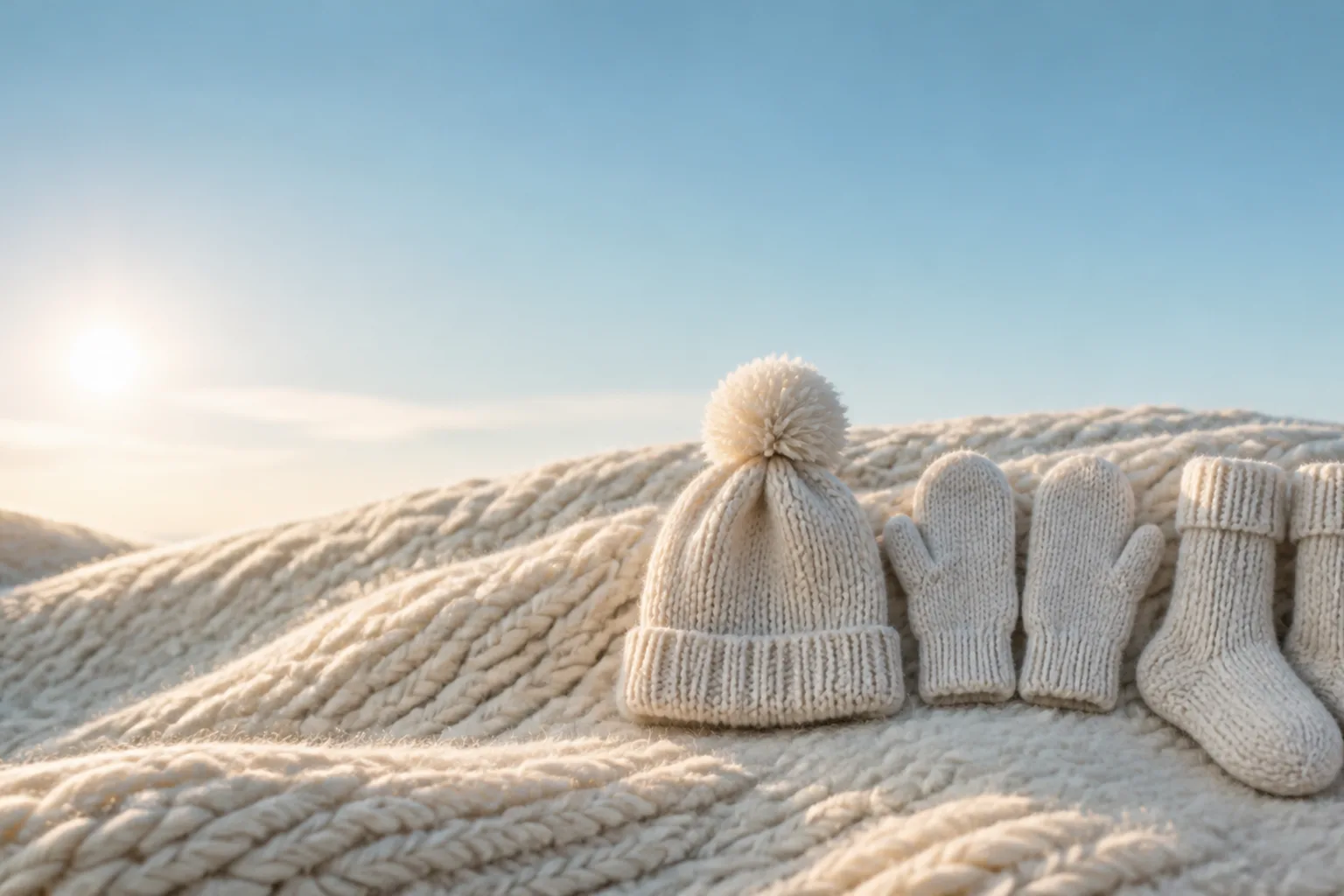
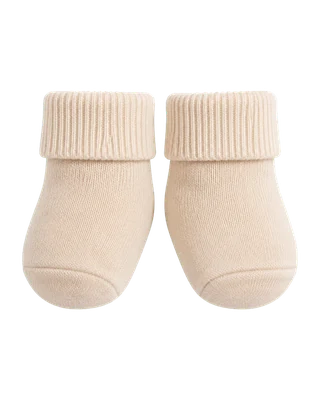
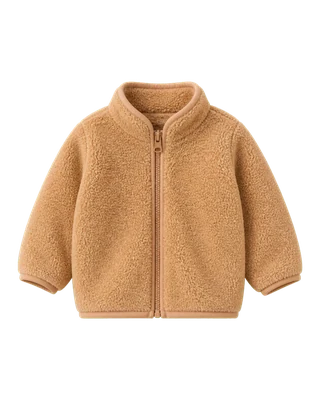
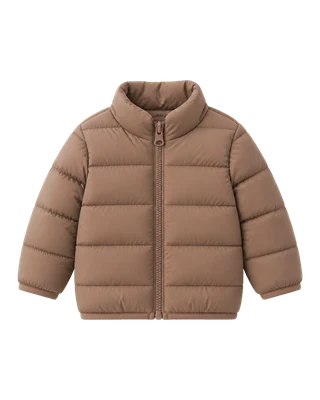
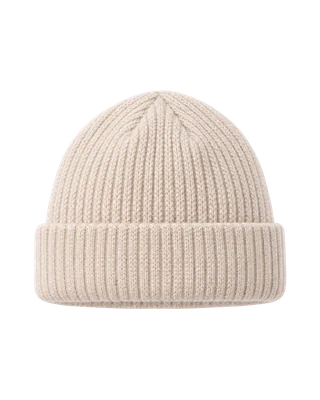
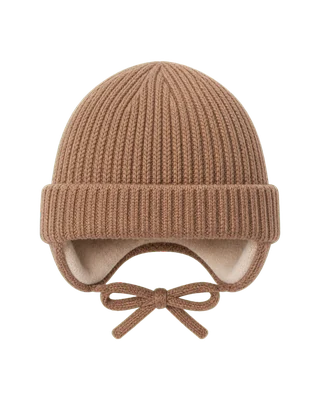
long-sleeve bodysuit, warm pants, warm socks, warm fleece, warm jacket, knit hat
4–7°
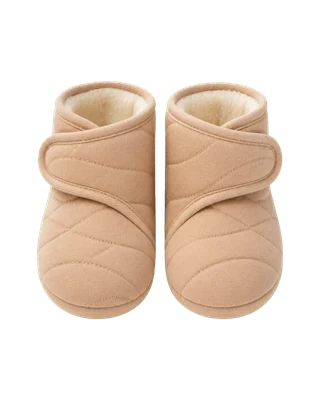
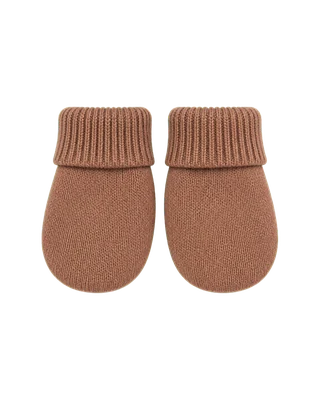
long-sleeve bodysuit, warm pants, warm socks, warm fleece, warm jacket, booties, mittens, warm hat
Below 4°
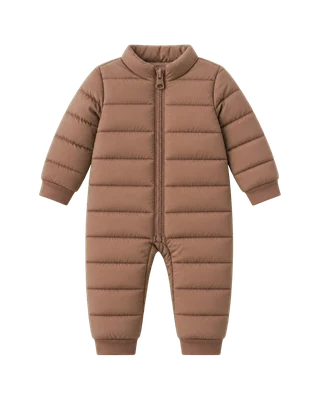
long-sleeve bodysuit, warm pants, warm socks, warm fleece, pram suit, mittens, warm hat
Warmth builds one piece at a time
Between 12° and 15°, your baby only needs light autumn layers. A cardigan and light jacket keep the breeze off without causing sweat.
As the temperature falls, swap in warmer pieces where cold air actually reaches rather than stacking winter clothes on top of each other. The cardigan becomes a fleece, the cotton hat becomes a warm lined hat, and in deep cold the pram suit replaces the jacket and booties entirely.
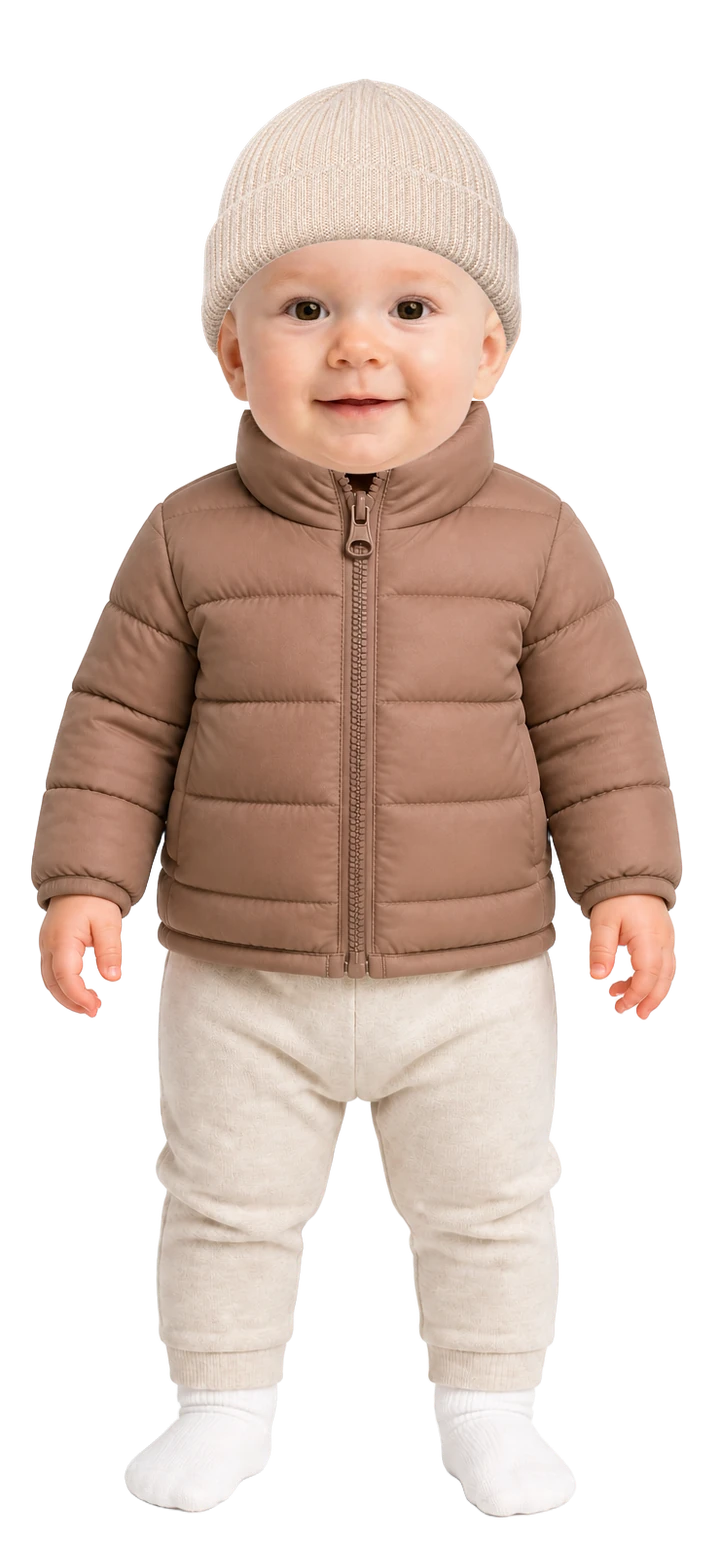
8–11°
A warm fleece and warm jacket insulate the torso. Warm socks and a soft knit hat protect exposed ears and toes.
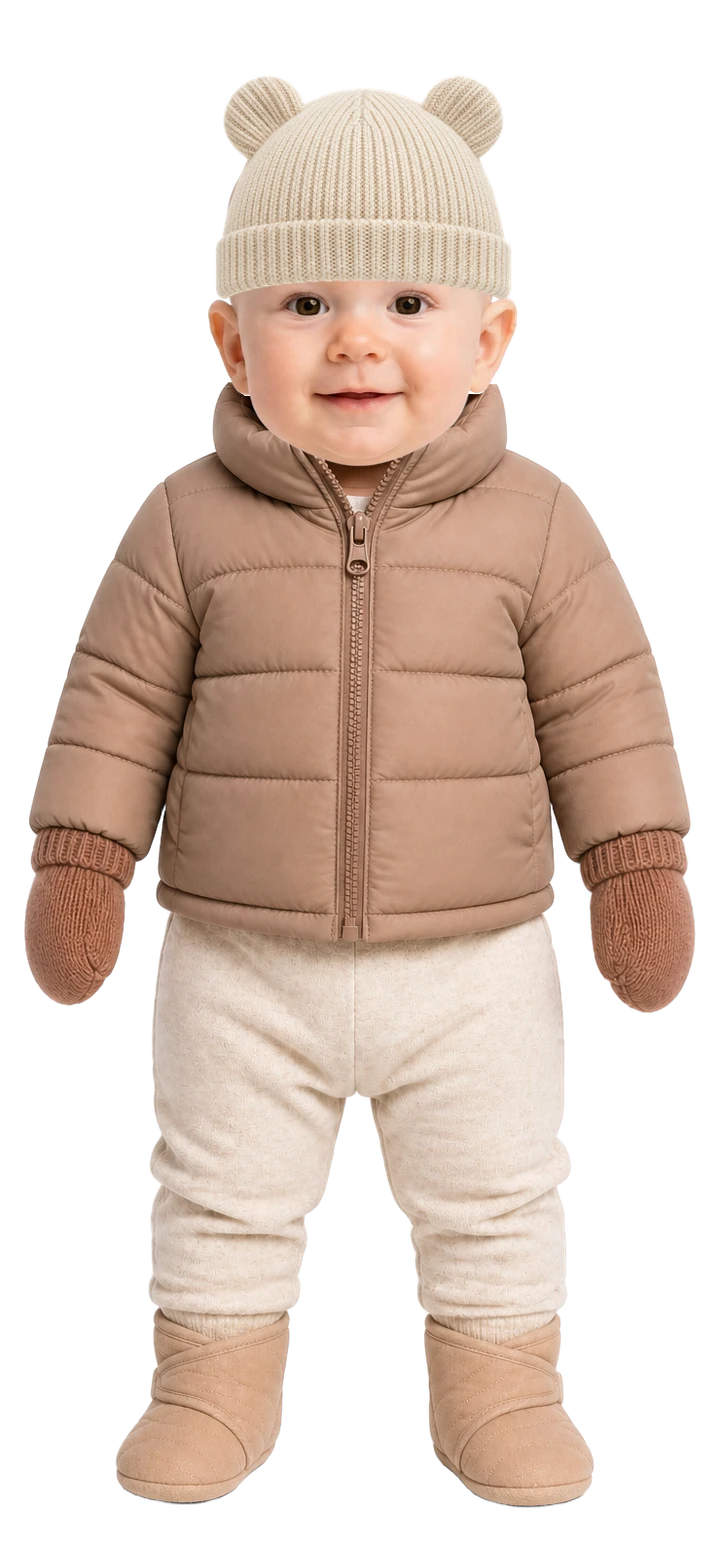
4–7°
Hands and feet stay still in the stroller and lose heat first. Add booties, mittens, and a warm lined hat.
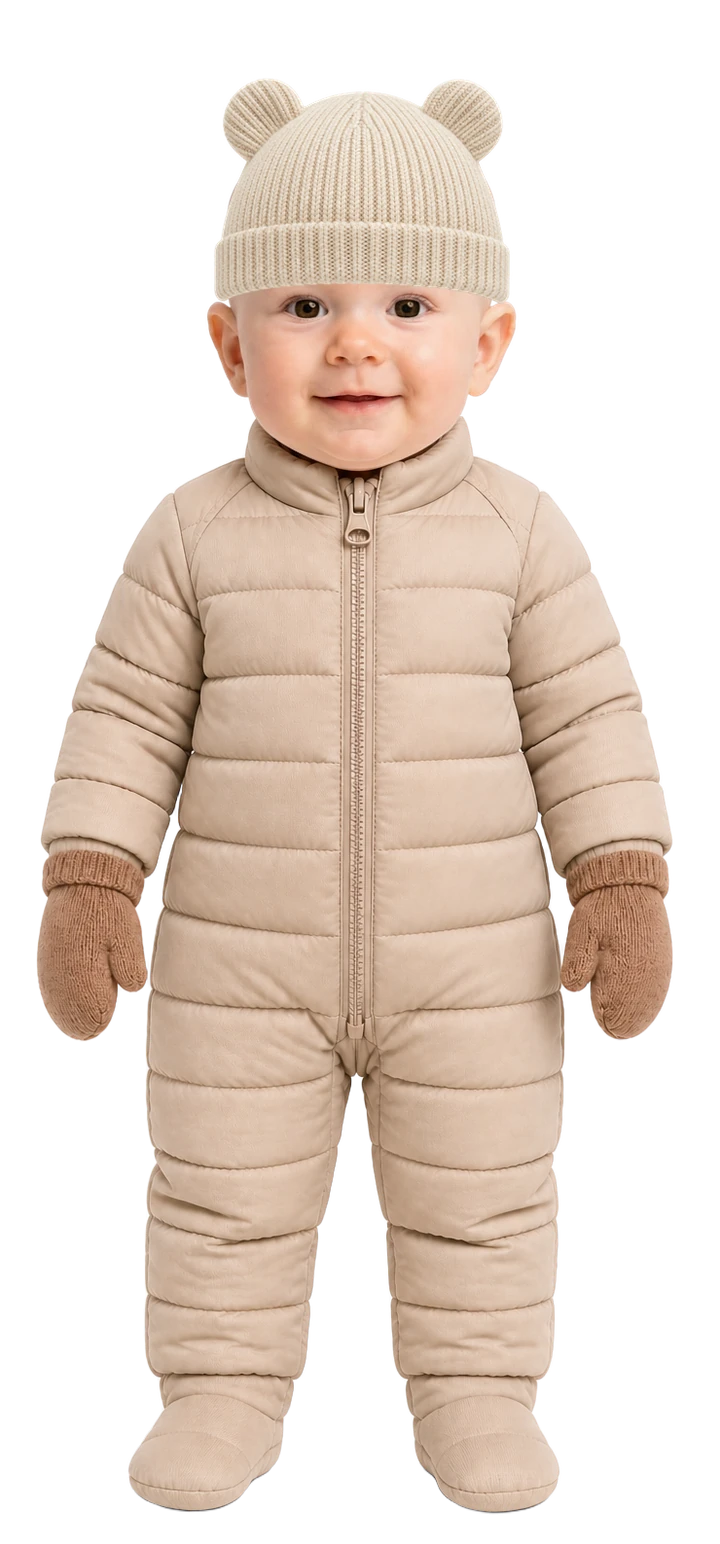
Below 4°
The insulated pram suit takes over as the outer layer. Because it covers the feet, separate booties can stay in the bag.
Save the winter suit for the front door
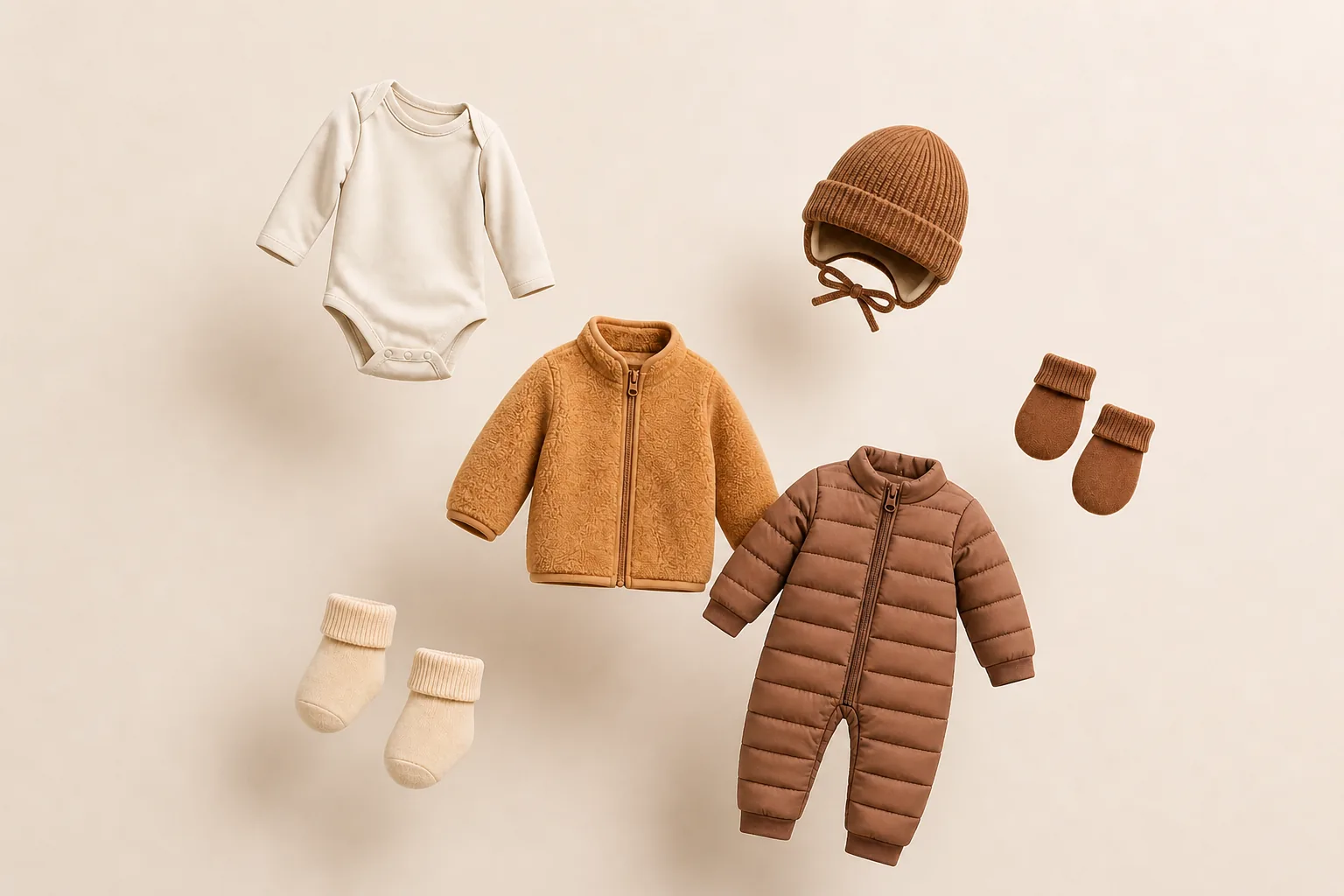
Timing matters just as much as what you put on. Dress your baby in their base layers first: bodysuit, pants, socks, and middle fleece. Leave the heavy pram suit, hat, and mittens sitting by the front door until you have your own coat and shoes on.
If a baby waits in a warm hallway in a fully zipped winter suit while you hunt for keys, they start sweating within minutes. Once damp, they will feel much colder outside. Put the warm outer shell on as the very last step before stepping into the cold.
As each layer goes on, smooth down sleeves and cuffs underneath. A bunched sleeve inside a tight cuff pinches skin and makes a baby miserable long before the weather does.
Cold hands do not mean a cold baby
A baby's circulatory system is still learning how to balance heat. Blood stays near the vital organs in the torso, so hands and feet can feel surprisingly chilly even when your baby is perfectly warm. Sitting still in a stroller makes hands cooler still.
Do not add another sweater just because fingertips feel cool. Instead, slip two fingers under the collar to feel bare skin on their chest or the back of their neck. Warm and dry skin means the outfit is working. If the skin feels clammy or sweaty, remove a layer. Only if the chest itself feels cool do you need to head indoors and add more warmth.
Make sure hats cover the ears without sliding down over the eyes. Once your toddler starts walking outside, swap soft booties for real shoes with weather-resistant soles.
Wind protection and stroller footmuffs
Piling on extra knitwear will not stop a biting wind. One warm middle layer paired with a wind-blocking outer shell works much better. Use the stroller's own canopy to block gusts, turning the seat away from direct wind while keeping a clear view of your baby's face.
A stroller footmuff acts like an extra sleeping bag, not just an accessory. If you tuck your baby into a heavy fleece-lined footmuff, they do not need a thick pram suit underneath as well. Follow the maker's guidance, and treat the footmuff as one of your main warm layers.
Never drape a blanket completely over the stroller opening to block the wind. Even thin blankets reduce fresh air circulation and can trap unexpected heat inside the seat.
Unzip when you step into the warm
Winter walks are rarely just outdoor walks. You step from a 2° sidewalk into a 22° grocery store, bus, or cafe. The forecast did not change, but your baby's immediate climate did.
The moment you enter a heated space, unzip the pram suit or fold down the footmuff. Take off their hat so heat can escape. Leaving a baby bundled up indoors leads to rapid sweating, and damp clothes make the walk home uncomfortably cold.
Keep puffy coats out of the car seat
The car seat is the one place where outdoor winter clothes become dangerous. Thick puffy jackets and padded pram suits leave inches of hidden slack under the harness. In a crash, the filling compresses instantly, and the loose straps cannot hold your baby securely.
Buckle your baby into the car seat in their regular thin indoor clothes: bodysuit, pants, and a thin fleece. Pull the harness snug so you cannot pinch any strap webbing between your fingers. Then tuck a baby blanket or their winter coat over the fastened straps. Once the car heater warms up, simply lift the blanket away.
Short routes and skin care below 0°
Below 0° feels-like, winter walks should be short and close to home. Keep trips to quick neighborhood loops where you can turn back indoors within five minutes if needed.
Cold winter air and biting wind strip moisture from delicate skin. If your baby gets dry or chapped cheeks, apply a simple barrier balm or the emollient recommended by your pediatrician before heading out.
Questions parents ask
How long can my baby stay outside in the cold?
There is no single timer for everyone. On typical cold days above freezing, a 30 to 45-minute stroll is fine if your baby is dressed in comfortable layers. Below 0° feels-like, keep outings under 15 to 20 minutes with a quick route back indoors.
Do cold hands mean my baby needs another layer?
No. Cool hands and feet are normal because a baby's circulation prioritizes the torso. Check bare skin at the chest or back of the neck. If the torso is warm and dry, your baby is comfortable.
Should I use a pram suit and a footmuff together?
Usually not. A heavy footmuff counts as a thick outdoor layer. Putting a baby in both an insulated pram suit and a winter footmuff often leads to overheating. Use a lighter jacket or sweater inside a warm footmuff instead.
Cold signs that need medical help
- Skin that turns white or pale gray, blisters, or stays numb or painful after warming.
- Shivering with unusual sleepiness, limpness, or poor response.
- A baby who remains cold or does not respond normally after moving indoors.
Move indoors, remove wet clothes and warm your baby gently against your skin. Do not rub cold skin or use direct heat. Call your pediatrician if pain or numbness continues after warming. Call emergency services if your baby is unusually drowsy or does not respond normally.