What this is about
Babies move up a clothes size about every three months in the first year, and the seasons change about as often. So the month your baby is born decides which size you need for which weather. A baby born in June is six months old in December and needs the first snowsuit in 6–9 months. A baby born in December wears the snowsuit in 0–3 months and needs 6–9 months for the first summer.
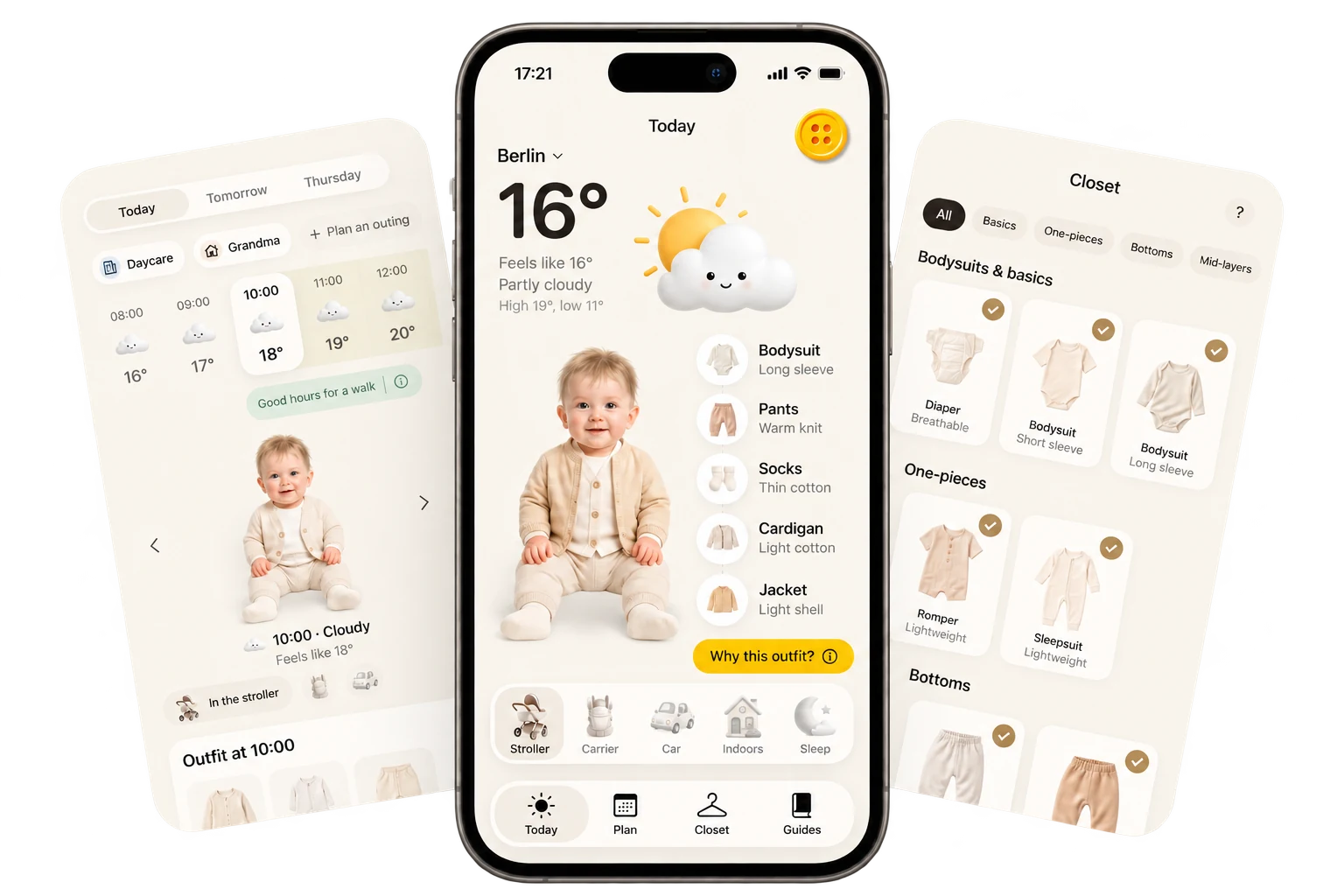
The calendar above works this out for your baby's birth month. It shows what to buy before each new size and each new season, with how many of each.
What clothes does a baby need in the first year?
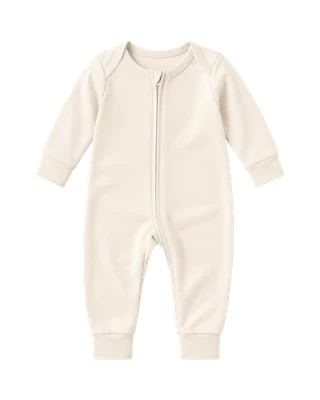
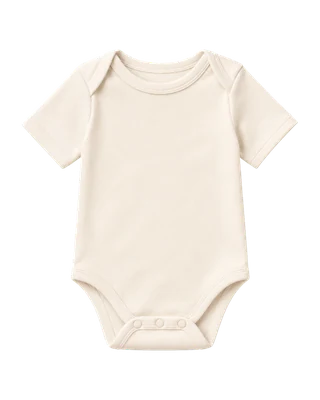
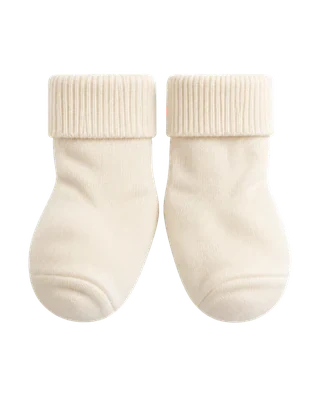
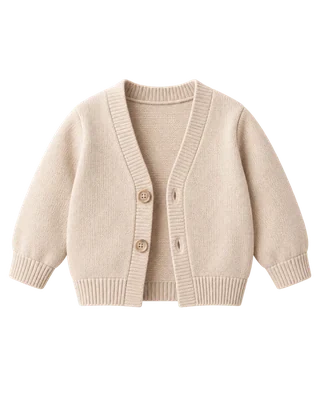
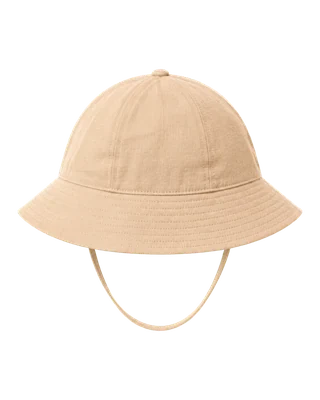
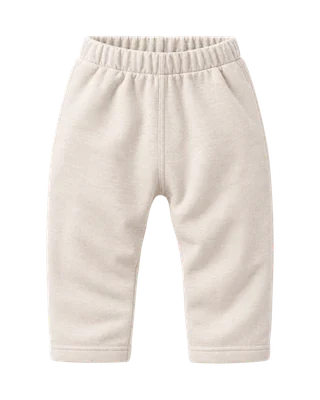
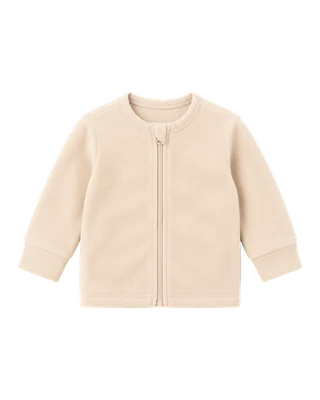
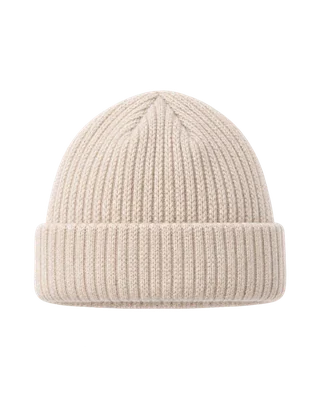
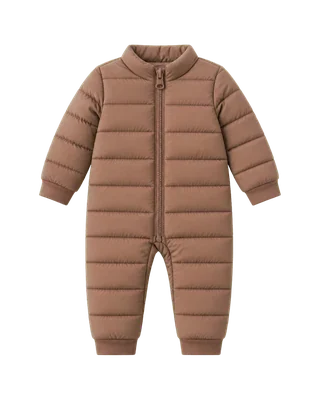
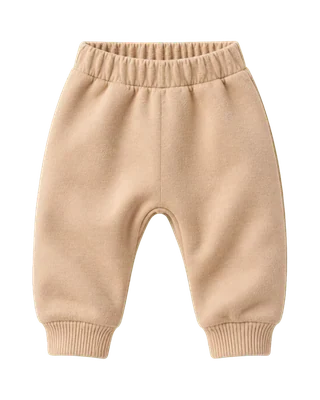
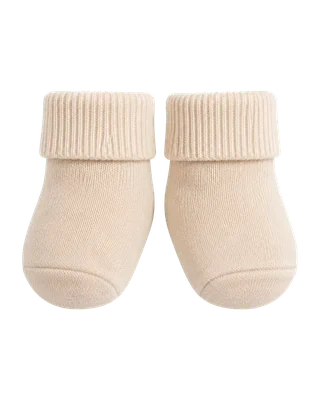
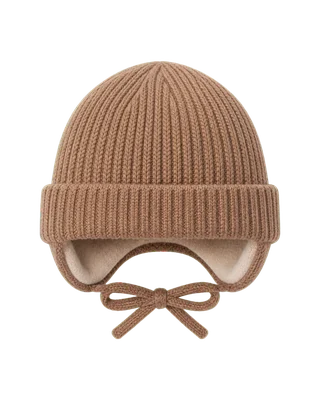
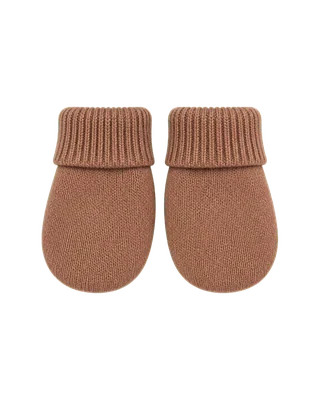
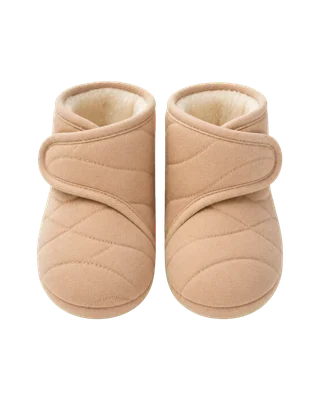
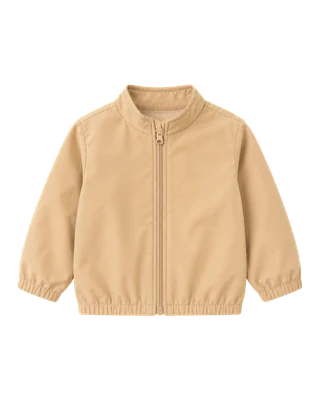
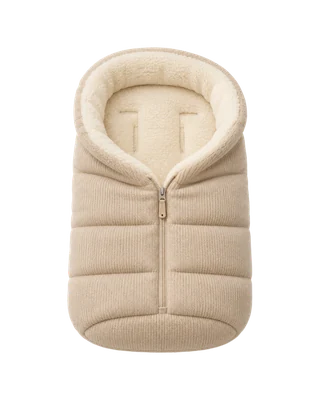
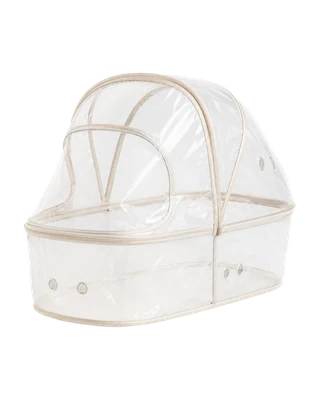
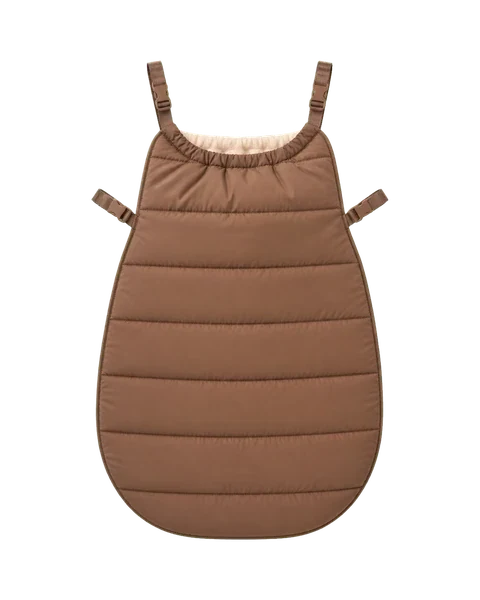
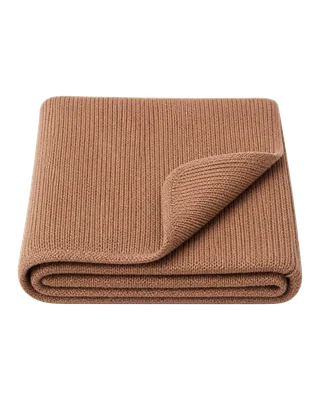
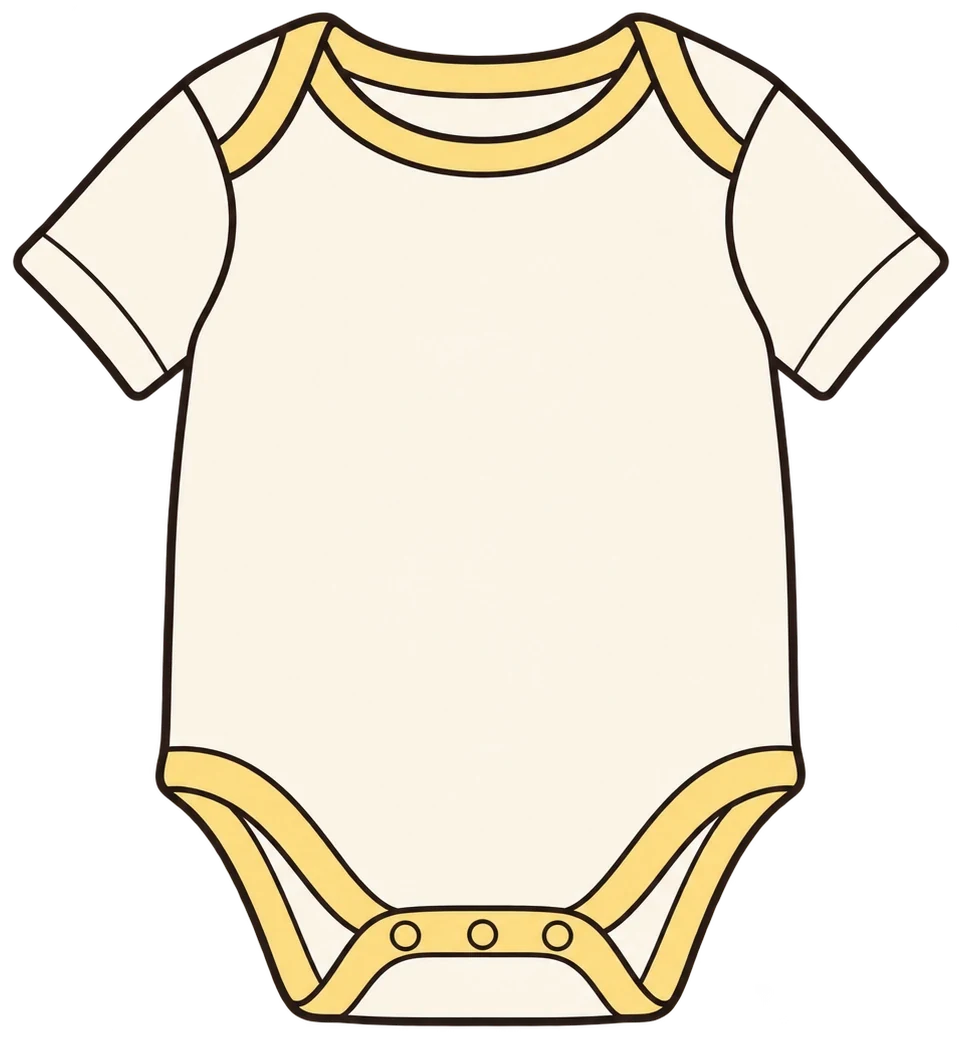
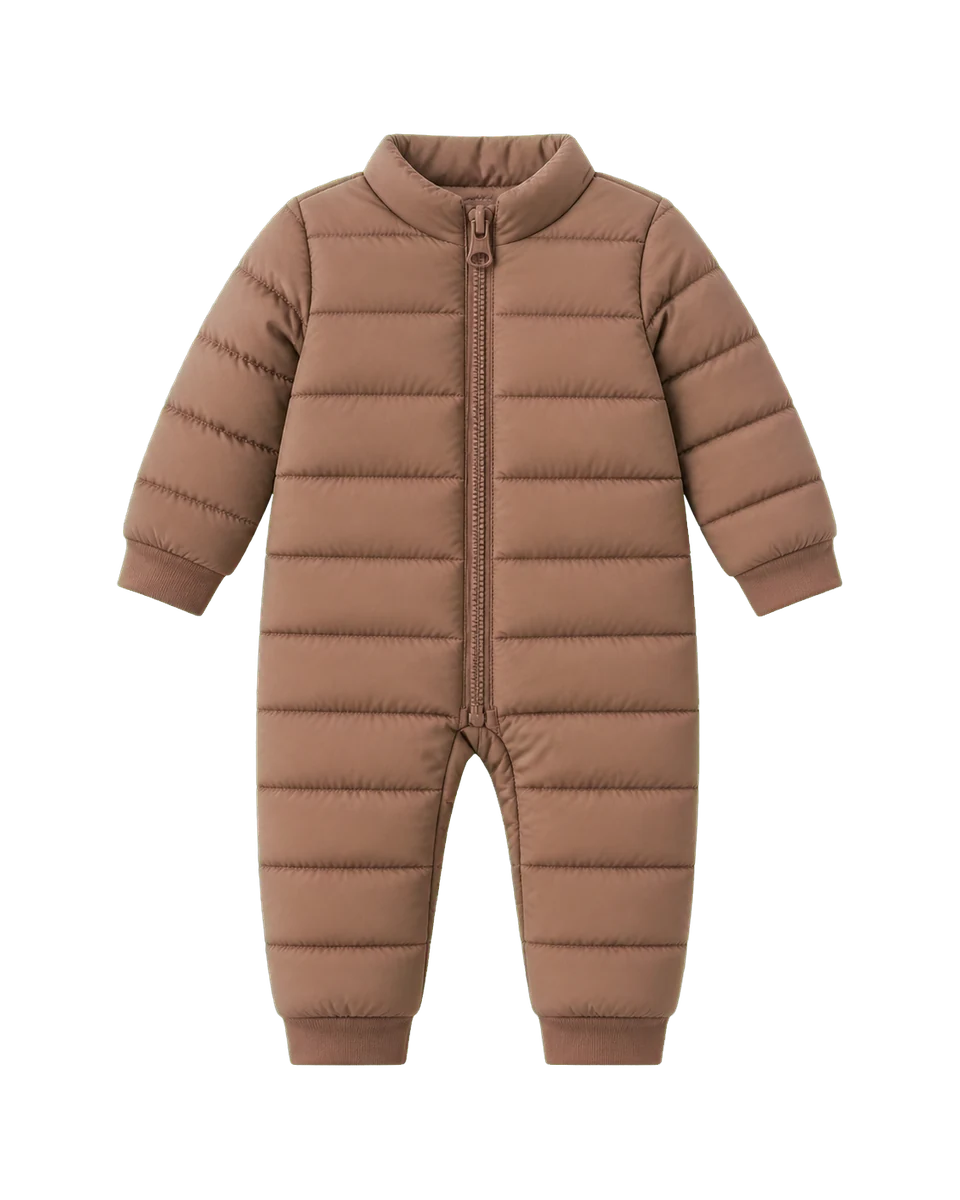
In every size, the same everyday set: sleepsuits, bodysuits, socks and a cardigan or two, with light pants from about three months. Add sleep bags, or swaddles for the first months, in their own sizes. The season decides the rest. Summer needs a sun hat. Spring and fall need a thin fleece, a light knit hat and, from six months, a light jacket. Winter needs a pram suit (a snowsuit), warm pants, warm socks, a warm hat, mittens and booties. A footmuff, a stroller blanket, a rain cover, a carrier cover and a car seat blanket have no size and last for years.
How many of each you need is in the baby clothes checklist. The calendar above puts the same things in the right size and the right month for your baby.
How long does a baby wear each size?
The number on the label is the age your baby will have grown out of it. A size marked 3 months, or 0–3 months, fits until about 3 months, or about 5.5 kg (12 lb). Then 3–6 months takes over. So in the first year each size lasts about three months: 0–3, 3–6, 6–9 and 9–12 months. After the first birthday, 12–18 months lasts half a year. Newborn size is the exception. It fits up to about 4 kg (8 to 9 lb), which is a few weeks for an average baby and no time at all for a big one.
Not every baby is average, and the weight on the label matters more than the age. A baby born at 4 kg (9 lb) may skip newborn size and stay one size ahead all year. A small baby can stay one size behind for months. If your baby is big or small for the age, buy one size bigger or smaller than the calendar says, and keep the tags on anything you buy ahead until your baby has tried it on. How baby sizes work has the weights and lengths for each label, and the baby clothes checklist says how many to buy in newborn size and in 0–3 months.
Which size fits your baby now?
In much of Europe the label is your baby's length in centimeters instead, so 62 fits a baby up to 62 cm (24.4 in) long. Measure your baby from head to heel and find the length on the tape. It shows the European size for that length, and the US size on Carter's chart. Other US brands run larger or smaller, so check the chart of the brand you're buying.
European sizeUS sizes on Carter's chart
 50Up to 50 cm (19.7 in)Newborn
- 56Up to 56 cm (22 in)0–1 month
- 62Up to 62 cm (24.4 in)1–3 months
- 68Up to 68 cm (26.8 in)3–6 months
- 74Up to 74 cm (29.1 in)6–9 months
- 80Up to 80 cm (31.5 in)9–12 months
- 86Up to 86 cm (33.9 in)12–18 months
- 92Up to 92 cm (36.2 in)18–24 months
- NB
- 3M
- 6M
- 9M
- 12M
- 18M
- 24M
Same label, different fit
Check each brand's weight and length chart.
Gerber
Runs small and slim
Carter's
The middle, standard fit
Burt's Bees, Primary
Run longer and leaner
Buy one size ahead, about a month before
Buy about a month before each new size and each new season, not earlier. A snowsuit bought in June for December is a gamble: the size that looks right in June is often a size too small by the time it gets cold. The calendar names the month to go shopping. A baby born in June has four shopping months in the first year. A baby born in January has eight, because the sizes and the seasons never change in the same month.
Before the birth you only need the first set: the everyday clothes in 0–3 months and a few pieces in newborn size, washed, with the tags still on the rest. Everything else can wait for its month, when you know how big your baby is and what the weather is doing. Some things have no size at all: a footmuff, a stroller blanket, a rain cover, a carrier cover, a car seat blanket. Buy them any time, because they last for years.
Two things wait for an age, not a season. The light jacket starts at about six months, because a baby lying flat in the bassinet is more comfortable in a cardigan or a fleece under a blanket. Shoes wait until your baby walks outside, and the shoe size chart helps you measure for them.
Winter babies and summer babies
Born in winter
The cold comes while your baby wears the smallest size. A pram suit in 0–3 months may be too small before spring, so buy just one, or skip it and use a stroller footmuff, which fits for years. The first summer comes at six months, in 6–9 months, and needs little more than a sun hat.
Born in summer
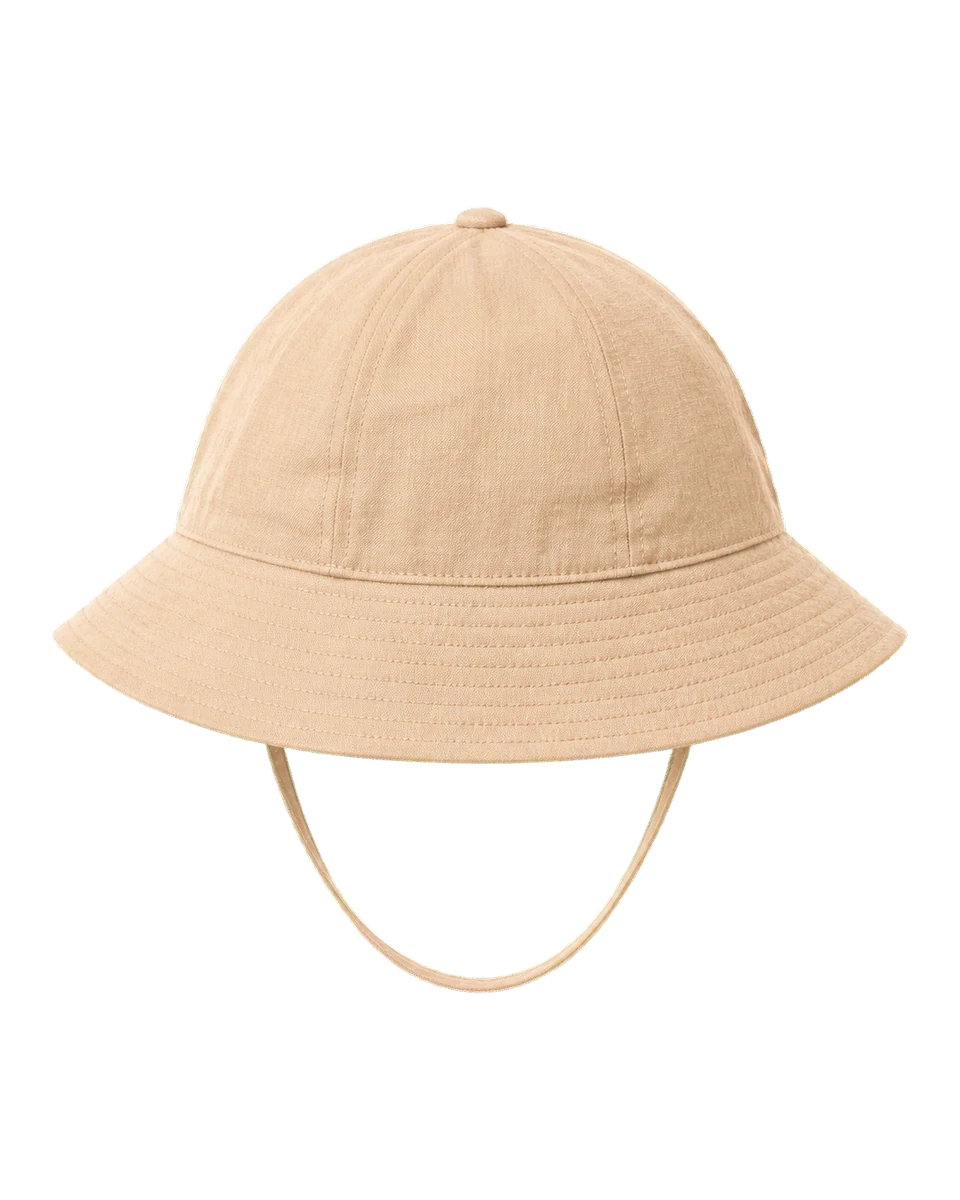
The first weeks need the everyday clothes and a sun hat in 0–3 months, nothing warm. The first winter comes at six months, in 6–9 months. From that age one pram suit usually lasts the whole winter.
The first outfits for a winter baby and a summer baby are in winter newborn clothes and summer newborn clothes. Babies born in spring or fall get the mild months first and meet their first real cold or heat at one to three months old, in 0–3 or 3–6 months.
Sales, gifts and the baby registry: will it still fit?
The usual mistake is the right size for the wrong season. Shorts in 3–6 months look perfect in a February sale, but a baby born in December wears 6–9 months by July, so the shorts are never worn. Before you buy ahead, look at the calendar: find the season the clothes are for, and buy the size your baby wears in those months.
The same goes for gifts and hand-me-downs. On your registry, name a size and a season instead of asking for bigger sizes: 6–9 months for next winter tells people exactly what to bring. The Send button under the calendar sends your baby's whole year to anyone who asks. Keep gift receipts, so a third newborn outfit can be swapped for the size your baby will wear in six months, and sort what you already have by size before you shop again.
Sleep bags have their own sizes
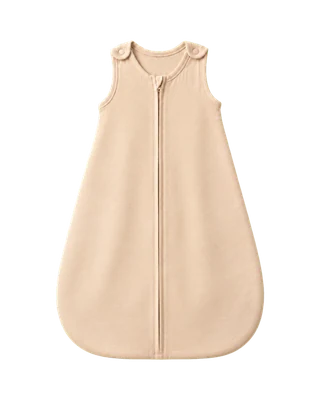
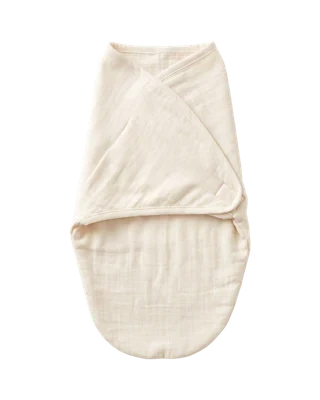
Sleep bags do not follow the clothes sizes. Most come in a small first size for about three months, a second to about six months, then one from 6 to 18 months, each with a weight range on the label. Some makers sell one 0–6 month size instead of the first two. That is why the sleep group in the calendar comes back at three and six months. Move up when your baby's weight is inside the next range, not before: in a bag bought to grow into, a baby can slip down inside. Swaddles end sooner, when your baby first tries to roll, which can be at two months. The same goes for any sleep bag that holds the arms in.
How warm the bag should be depends on your room, not the season. The TOG guide matches the rating to your room temperature, and the sleep bag page shows the usual weight for each size and how to check the fit when you move up.
Questions parents ask
Should I buy newborn size or 0–3 months?
Buy a few pieces in newborn size, three or four sleepsuits and a few bodysuits, and the full set in 0–3 months. Newborn size fits up to about 4 kg (8 to 9 lb). An average baby wears it for a few weeks, a big baby not at all, and most newborns can wear 0–3 months from day one with the cuffs rolled up. The baby clothes checklist has the counts.
Is a size marked 3 months the same as 0–3 or 3–6?
The same as 0–3 months. The number is the age your baby grows out of it: 3 months fits until about 3 months, 6 months until about 6. Brands cut their sizes differently, so when your baby is close to the limit, go by the weight on the label.
What size clothes should I put on the registry, or ask for at the shower?
Ask for the sizes your baby will wear after the first weeks, and name the season for each: for a baby due in spring, 3–6 months for the summer and 6–9 months for the fall. Most gifts come in newborn and 0–3 months, the sizes worn for the shortest time, so say the size and the season you need. The calendar shows both, and the Send button passes them on.
When should I start buying baby clothes?
Buy the first set in the last months of pregnancy: the everyday clothes in 0–3 months, a few pieces in newborn size, and the hat for the first season. Buy everything else about a month before your baby needs it, when you know how big your baby is. Waiting costs nothing. Buying a whole winter in 6–9 months for a baby who turns out to need 9–12 months costs a lot.
My baby is big for the age. Which size do I buy?
Buy the size whose weight range your baby is in now, and the next size about a month before your baby reaches the top of it. A big baby is usually one size ahead of the calendar, so take every size in it one step up: the first winter at six months in 9–12 months instead of 6–9. Don't go bigger than that to make clothes last longer. Loose fabric around the neck can slide over the face, so a piece that is far too big waits in the drawer until it fits.
What size snowsuit does a baby need?
The size your baby wears in the winter months, which the calendar shows. Buy it the month before the cold: 6–9 months for a baby born in June. A baby born in December may need two, 0–3 months and then 3–6 months. In the car seat the snowsuit comes off, as the car seat guide explains, and on walks a stroller footmuff can do its job instead.
Can I buy a size up so the clothes last longer?
For pants, cardigans and jackets, yes. A rolled-up cuff is no problem, and they get a second season. For the clothes next to the skin, buy the size that fits now. A bodysuit or sleepsuit that is too big bunches at the neck and twists at the feet, and a sleep bag that is too big lets your baby slip down inside it.