
What this is about
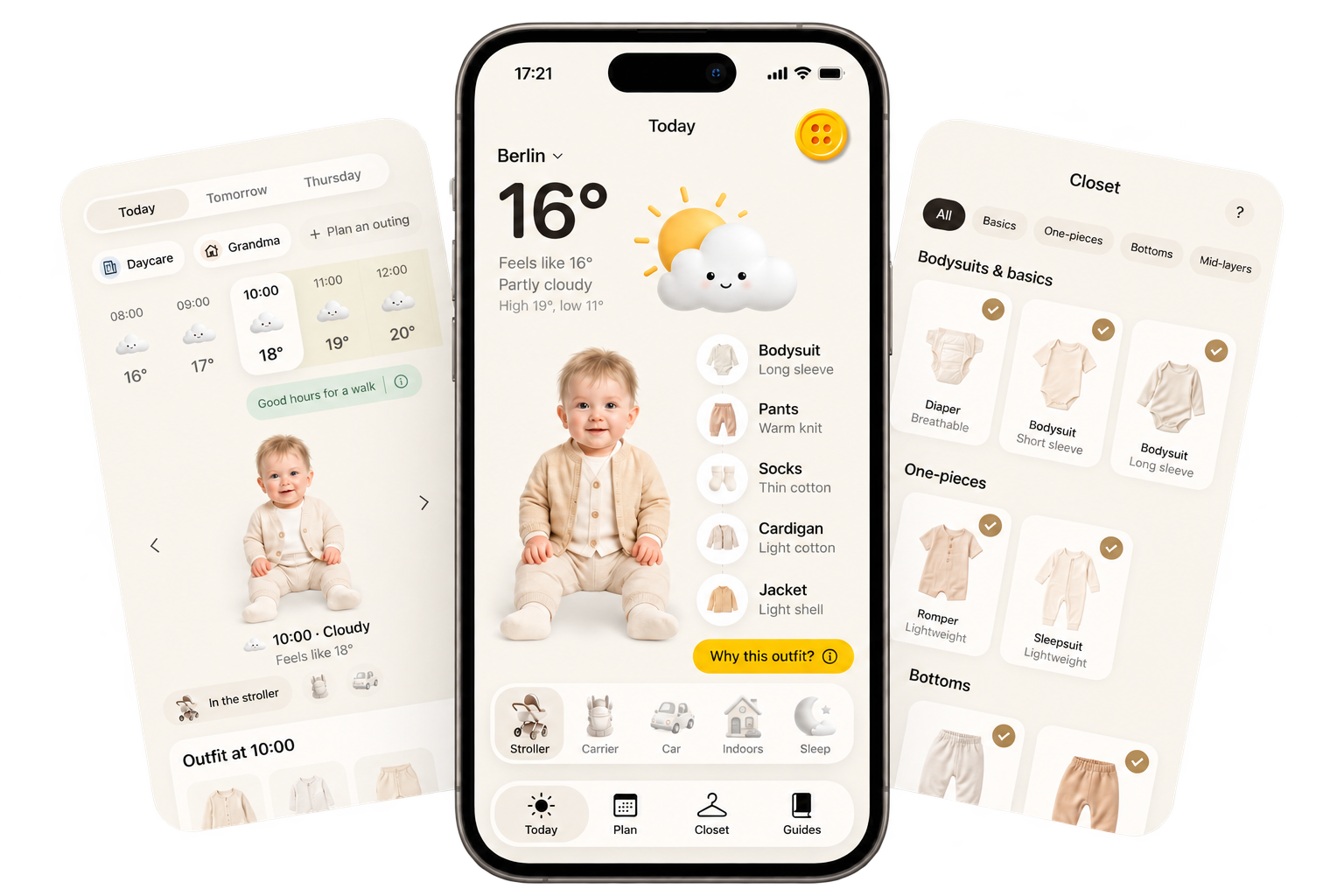
When an app suggests a bodysuit, pants and a light cardigan, it can look deceptively precise. In reality, pediatric guidelines offer broad comfort boundaries rather than an exact formula for every single degree. Button translates those principles into a sensible starting point so you do not have to calculate layers while holding a baby. It gets you dressed and moving, but the real judgment stays with you.
The website starts outside; the app asks where you are
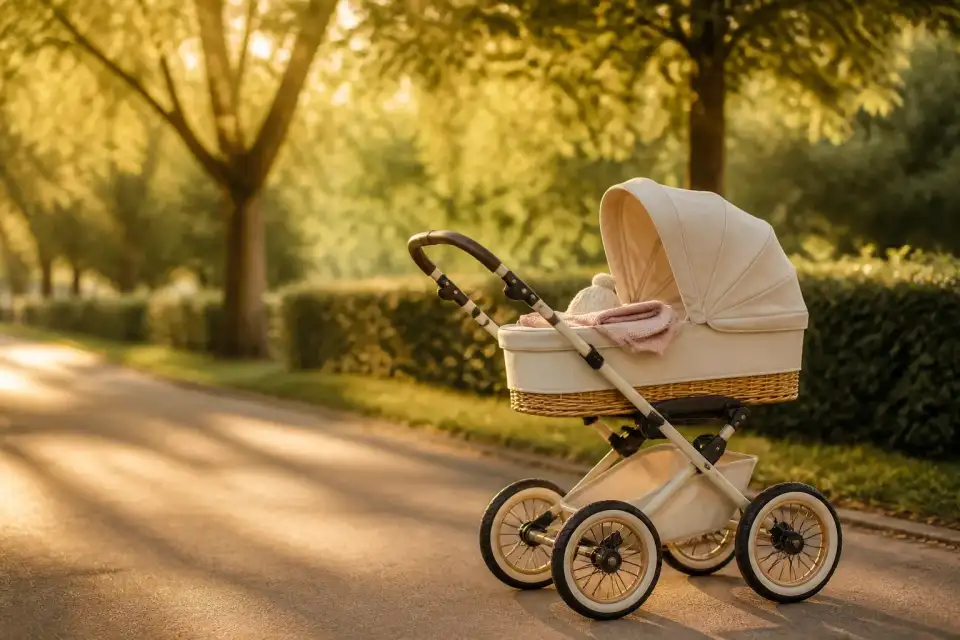
On the website, every suggestion assumes you are heading out with a stroller. A stroller walk is the most common question parents ask when looking at the sky, and it is where wind and chill catch babies off guard.
Inside the app, you choose where your baby actually spends the day. A carrier turns your chest into a shared heater, so your baby needs thin layers inside and warmth on the outside. A car seat demands snug, thin clothing because bulky jackets compress in a sudden stop and leave the harness loose. Indoors and at bedtime, the outside weather matters far less than your room thermostat. You dial the room temperature yourself to see the right layers or sleep bag for the night.
Strolling in the feels-like weather
For outdoor walks, the headline thermometer number is only half the story. A breezy 14° morning can feel like 10° on bare cheeks, while high humidity makes warm air feel sticky. Button uses the feels-like temperature to match the baseline outfit, accounting for a baby who sits still while you walk and generate heat.
Use the temperature row below to find the starting stroller outfit. Match each item to whatever is clean in your drawer. The exact cut and color do not matter.
28° and warmer
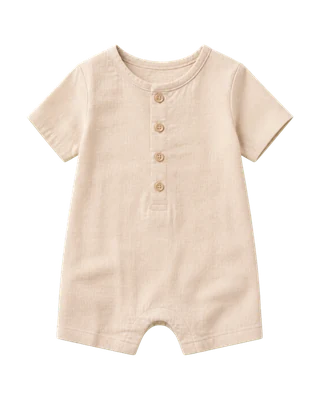
short-sleeve romper
24–27°
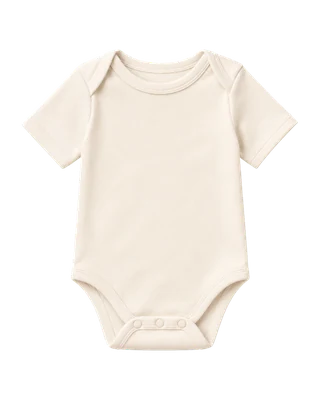
short-sleeve bodysuit, light pants
20–23°
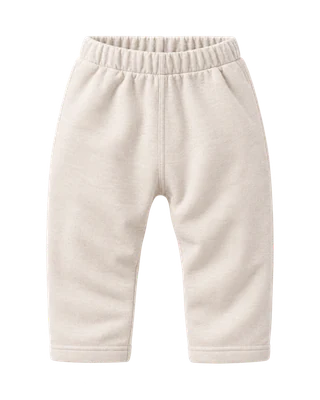
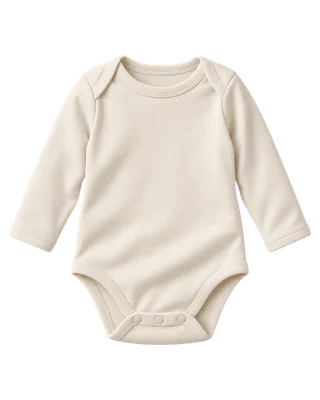
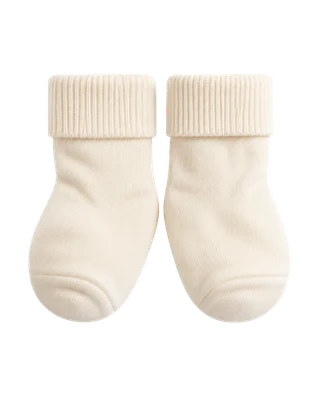
long-sleeve bodysuit, light pants, thin socks
16–19°
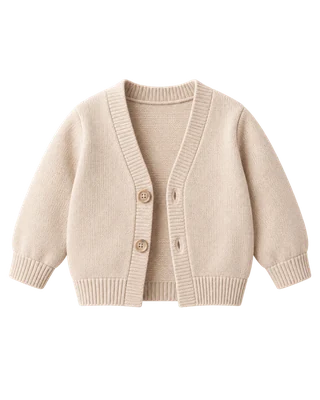
long-sleeve bodysuit, light pants, thin socks, cardigan
12–15°
long-sleeve bodysuit, warm pants, thin socks, cardigan, light jacket
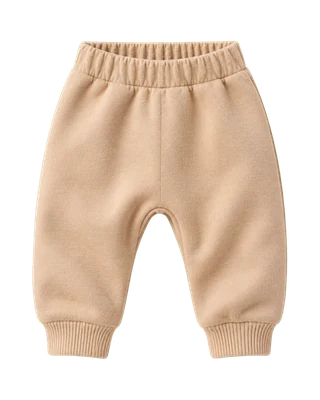
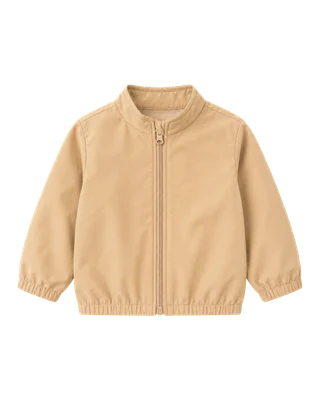
8–11°
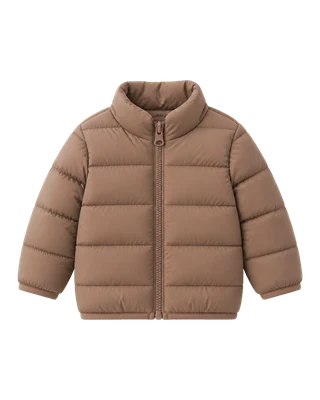
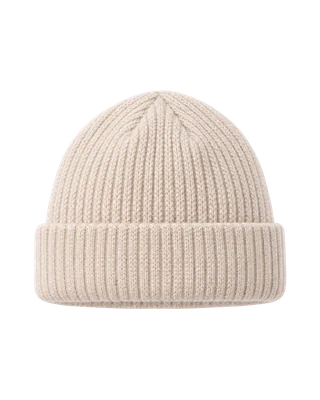
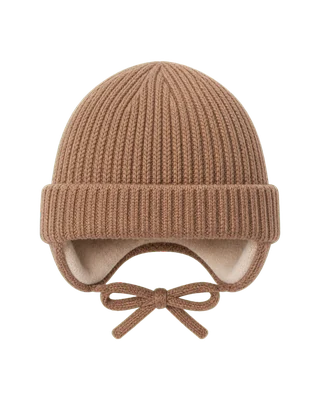
long-sleeve bodysuit, warm pants, warm socks, warm fleece, warm jacket, knit hat
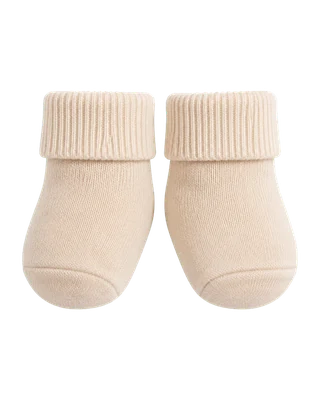
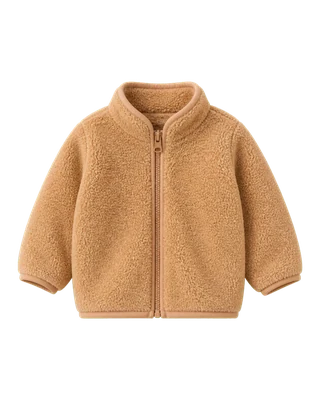
4–7°
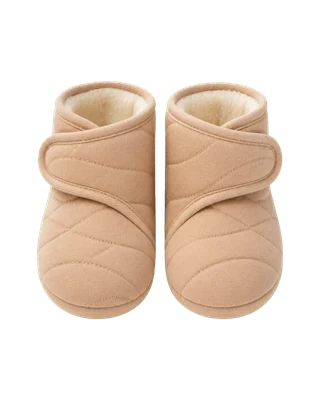
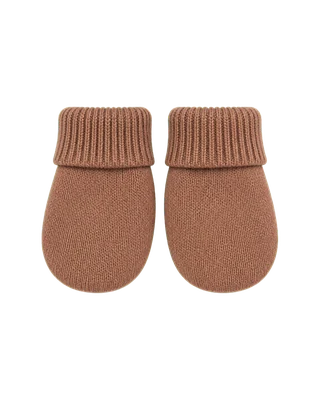
long-sleeve bodysuit, warm pants, warm socks, warm fleece, warm jacket, booties, mittens, warm hat
Below 4°
long-sleeve bodysuit, warm pants, warm socks, warm fleece, pram suit, mittens, warm hat
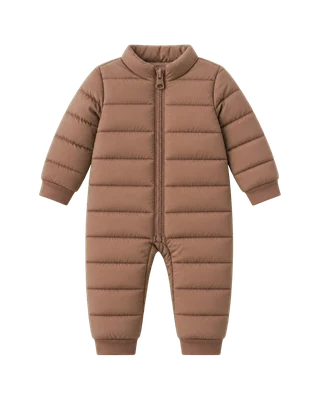
Garment names do not tell you how heavy the cloth is. A whisper-thin cotton cardigan and a chunky boiled wool sweater share the same label, but they hold heat very differently. The list names the layer, but you decide whether today needs light cotton or heavier fleece.
Age changes the starting point for younger babies. Newborns carry little insulating fat and cannot shiver efficiently to warm themselves up. In mild weather around 24–27°, Button keeps a baby under 3 months in long sleeves and light pants when an older baby would wear short sleeves. Once the air reaches 28°, one loose romper is plenty for any age. Development does not flip like a switch at 90 days, so trust the feel of their skin over the date on the calendar.
Cover more skin as UV rises
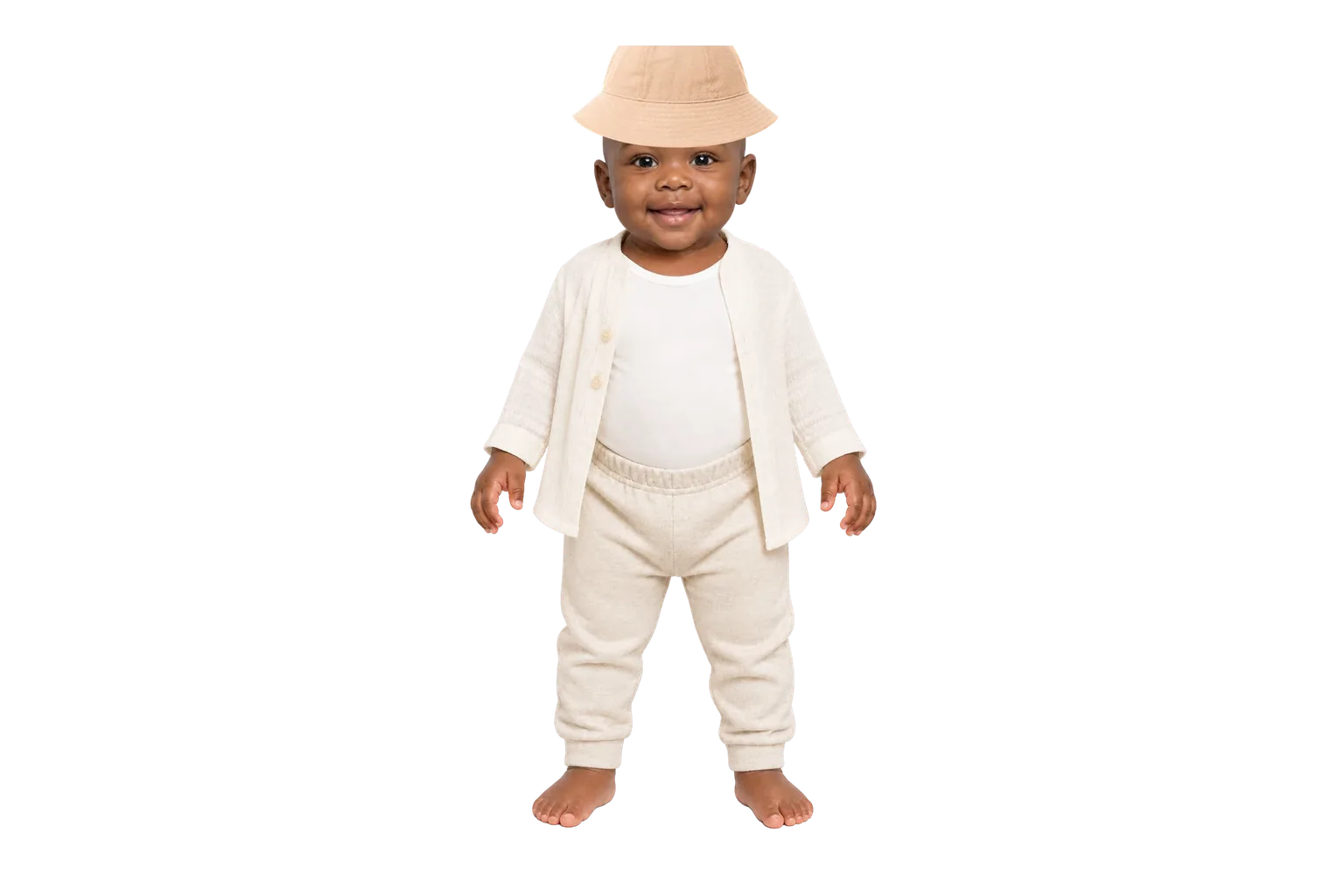
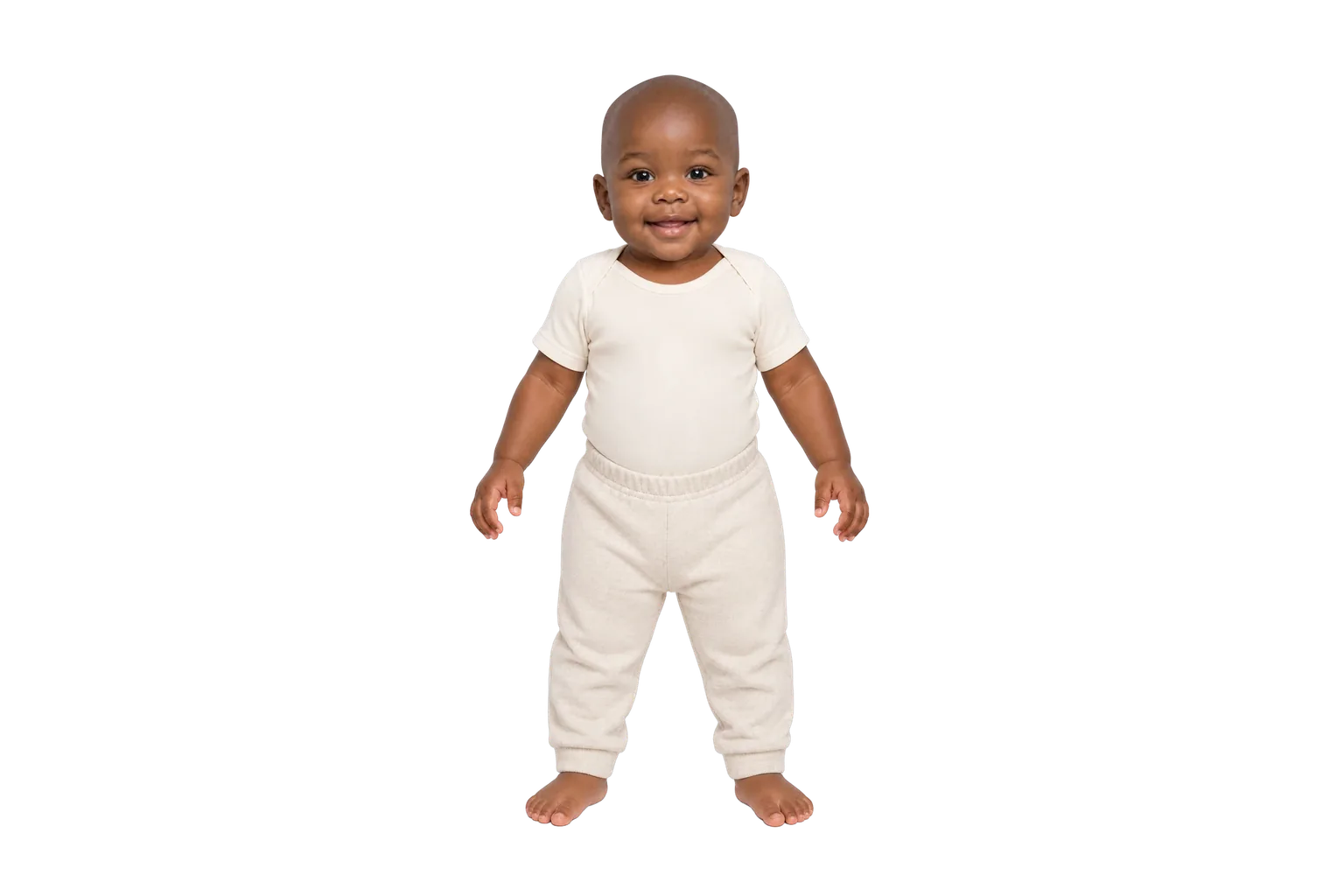
UV radiation is about skin protection, not thermal warmth. When the UV index reaches 3, your baby needs shade and coverage rather than extra heat. An outfit that already covers arms and legs only needs a wide-brim sun hat. In summer warmth, long sleeves made from airy, lightweight cotton block direct light without trapping heat.
 Yes
YesSunny version
The warmth stays the same. A sun hat and shade protect skin without adding heavy layers.
 No
NoTemperature alone
The clothes suit the temperature, but without a hat or shade, skin remains exposed to UV rays.
Wind, rain and heat need separate answers
Challenging weather is rarely solved by adding another sweater. Wind, rain and heat each affect an outing differently, and piling on warm clothes can easily backfire.

Wind
Moving air cuts through loose knits quickly. A light windproof outer jacket blocks the breeze without adding unnecessary bulk underneath.
Rain
Use a fitted rain cover to keep water out. A plastic cover traps humidity and warmth quickly, so never use it as an extra winter coat.
Heat
When the feels-like reading nears 32°, clothes cannot fix the weather. Keep outings short, stick to deep tree shade, and move indoors to cool down.
Combining these conditions takes care. A plastic rain cover keeps wet weather off the stroller, but it cuts airflow and warms the seat within minutes. A windproof shell blocks drafts, but does not mean dressing for freezing winter when the air is mild.
The heat boundary around 32° reflects guidance from the American Academy of Pediatrics. When temperatures climb that high, changing the outfit stops helping. The only safe move is shortening the walk and finding a cooler spot.
What the forecast will never know
Weather forecasts report conditions from a sensor miles away. They cannot see the physical world your baby moves through. A forecast cannot know that your street is a wind tunnel, or that you are stepping into a sun trap between brick buildings.
It also cannot see what you change along the way. Tucking a fleece blanket around little legs adds as much warmth as a coat. Ducking into an overheated coffee shop turns an outdoor outfit into an oven. Most of all, no algorithm knows your baby. Some babies run warm and sweat easily, while others need an extra layer to stay settled. The suggestion gets you through the front door. Your eyes and hands do the fine-tuning.
Your hand has the final word
Cold hands and feet will fool you. Immature circulation directs blood to the vital core first, meaning little fingers and toes often feel cool even when the torso is completely comfortable. Adding sweaters because of chilly fingers is the most common path to overheating.
Instead, slide two fingers inside the collar to touch the bare skin at the back of the neck or upper chest. Warm and dry skin means the outfit is working, so leave it alone. Hot, flushed or damp skin means your baby is too warm. Open the jacket, fold down the blanket or remove one light layer. A cool chest means your baby needs more warmth, so add a layer or tuck in a blanket.
Questions parents ask
Does direct sun mean dressing in lighter clothes?
Sun warms the stroller seat, but the base outfit still follows the feels-like temperature. Use the stroller canopy for shade, choose light-colored sun covers, and check the neck to make sure your baby is not heating up.
What should I do if the back of the neck feels damp?
Damp skin is an early sign of sweating. Unzip the outer layer or fold back the stroller blanket right away. Keep the stroller opening clear so fresh air can circulate, then check the skin again after five minutes.